
Affiliate marketing isn’t some secret hack only big brands use. It’s a simple, proven way regular people - like you - make money online by recommending products they actually believe in. No inventory. No customer service. No shipping. Just honest recommendations that earn you a cut every time someone buys through your link.
Think about it: you’ve probably clicked on a product link from a blog, YouTube video, or Instagram post and bought something because it looked useful. That’s affiliate marketing in action. And the person who shared that link? They got paid for it. You can do the same.
How Affiliate Marketing Actually Works
Here’s the real breakdown - no fluff. You sign up for an affiliate program (like Amazon Associates, ShareASale, or CJ Affiliate). They give you a unique tracking link. You share that link wherever you have an audience - a blog, TikTok, email list, even a Reddit comment. When someone clicks your link and buys something within 24 hours (or whatever the cookie window is), you get paid.
It’s not magic. It’s math. If 100 people click your link and 3 of them buy a $50 product with a 5% commission, you make $7.50. Sounds small? Now scale that. 1,000 clicks. 10,000 clicks. Consistency beats virality every time.
Most people fail because they chase quick wins - posting random links on Facebook groups or spamming hashtags. Real affiliate marketers build trust first. They answer questions. They review products honestly. They show up week after week.
The Best Affiliate Programs for Beginners
You don’t need to join 50 programs. Start with one that fits your audience and pays well. Here are the top three for beginners in 2026:
- Amazon Associates - Easy to join, huge product range, but low commissions (1-4%). Good for testing the waters.
- ShareASale - Thousands of niche brands (fashion, tools, software). Commissions often 10-30%. Better payouts than Amazon.
- ClickBank - Digital products (e-books, courses, software). Commissions can hit 50-75%. High risk, high reward. Only promote products with strong reviews.
Don’t pick a program because it pays the most. Pick one where the product solves a real problem your audience has. If you’re into fitness, promote a workout plan, not a random gadget. If you’re into home office setups, recommend a reliable keyboard, not a $200 standing desk no one needs.
Where to Promote Affiliate Links (Without Getting Banned)
Posting links in comments or DMs gets you shadowbanned. Here’s where affiliate marketing actually works:
- Blog posts - Write detailed reviews. “Why I switched from X to Y” works better than “Buy this.”
- YouTube videos - Show the product in use. Say, “This is the only coffee maker I’ve used for 3 years.”
- Email newsletters - People trust email. Send a weekly tip with one product recommendation.
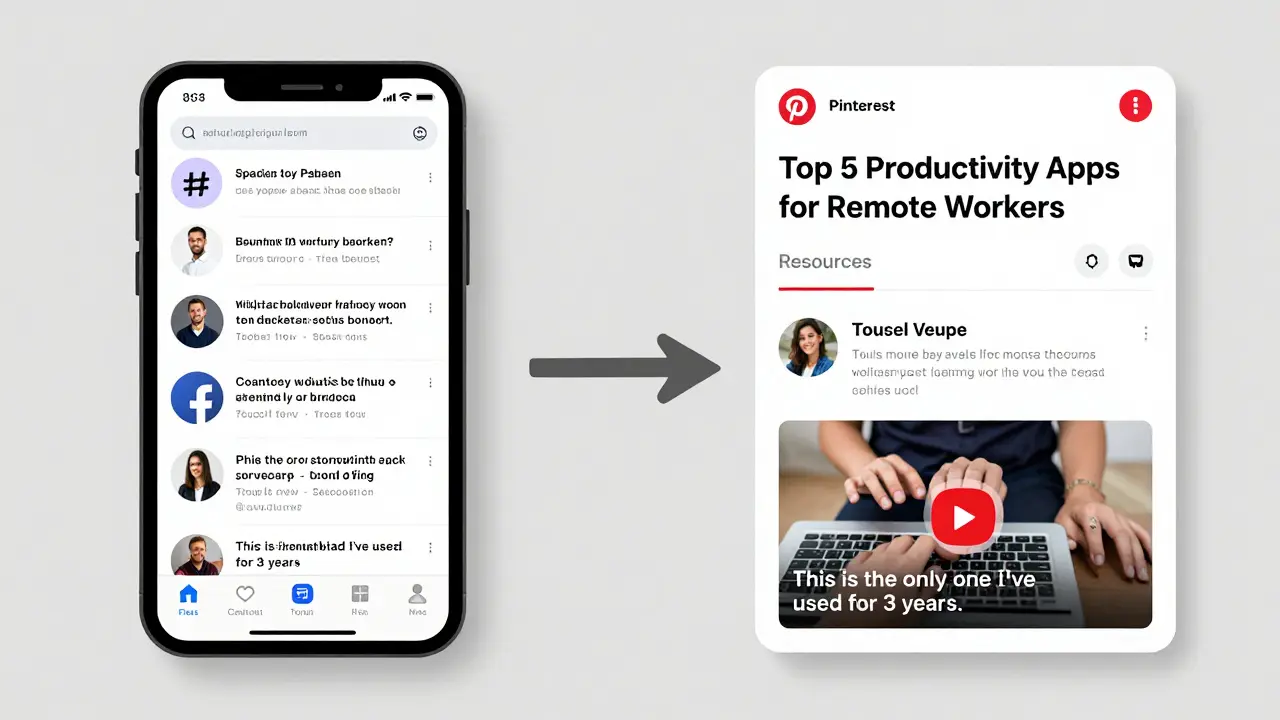
- Pinterest - Create pins for “best budget laptops under $500” or “top 5 productivity apps.” Link to your blog.
- Reddit and Quora - Answer questions genuinely. Add your link only if it directly helps. Don’t spam.
One of the most effective tactics? Create a “Resources” page on your website. List every tool, book, or service you use and love - with your affiliate links. People trust curated lists. They’re not looking to be sold to. They’re looking to be helped.
Building an Audience That Buys
You don’t need 100,000 followers. You need 1,000 true fans.
True fans are people who know you, like you, and believe you. They’ll buy what you recommend because they trust your judgment. How do you build that?
- Post consistently - even if it’s just once a week.
- Be specific - “Best headphones for night shift workers” beats “Best headphones.”
- Be honest - if a product sucks, say so. People notice when you’re fake.
- Answer comments - reply to every question. Even if it’s just “Thanks.”
One guy in Manchester started a blog called “My 30-Day No-Spend Challenge.” He didn’t sell anything. He just wrote about how he saved money. After 6 months, he added a section: “Tools I Used to Track Spending.” He linked to a free budgeting app with a 20% commission. He made $1,200 in 30 days from 4,000 visitors. Not because he was flashy. Because he was real.
Common Mistakes That Kill Affiliate Income
Most people quit because they make these mistakes:
- Choosing products they don’t use - You can’t sell something you wouldn’t buy yourself.
- Ignoring SEO - If no one finds your content, no one buys. Write for search engines and humans.
- Not tracking results - Use Bitly or Pretty Links to see which links get clicks. Double down on what works.
- Expecting overnight results - The top affiliate marketers didn’t make money for 6-12 months. They kept going.
- Spamming links - Facebook groups, Twitter threads, WhatsApp groups - these are dead ends. Build your own space.
One of the biggest myths? “You need to be an expert.” No. You just need to be a few steps ahead. If you’ve tried five different meal delivery services and picked the best one, you’re qualified to review them.

How Much Can You Really Make?
Real numbers. No hype.
- Beginner (0-6 months) - $0 to $200/month. You’re learning.
- Intermediate (6-18 months) - $500 to $3,000/month. You’ve built a few pieces of content that keep bringing traffic.
- Advanced (18+ months) - $5,000 to $20,000+/month. You have a system. Content compounds. Traffic grows on its own.
Some people make six figures. But most make $1,000-$5,000 a month after two years. That’s enough to replace a part-time job. Or pay your rent. Or fund a vacation. It’s not get-rich-quick. It’s get-steady-rich.
What to Do Next
Here’s your 7-day starter plan:
- Day 1: Pick one niche you know something about - cooking, pet care, budgeting, gardening.
- Day 2: Sign up for one affiliate program (Amazon Associates is fine to start).
- Day 3: Write one 1,000-word review of a product you’ve used. No fluff. Just what worked, what didn’t.
- Day 4: Post it on your blog, Medium, or LinkedIn.
- Day 5: Share it in one relevant Facebook group or Reddit thread. Don’t spam. Just answer a question and link to your post.
- Day 6: Set up a free email list using MailerLite. Ask readers to join for a free checklist or tip sheet.
- Day 7: Repeat next week with a different product.
You don’t need fancy tools. You don’t need a website with 10,000 visitors. You just need to start. And keep going.
Why This Works Better Than Other Online Jobs
Freelancing? You trade time for money. Dropshipping? You handle returns and complaints. YouTube? You need to be on camera. Affiliate marketing? You create content once. It keeps earning. For years.
That’s the power of evergreen content. A review you write today about the best ergonomic chair can still bring in sales next year. And the year after. And the year after that. No ads to run. No platform to depend on. Just your words, your links, and your credibility.
It’s not glamorous. But it’s real. And it works.
Do I need a website to do affiliate marketing?
No, but it helps a lot. You can promote links on YouTube, Pinterest, or social media. But having a website gives you control. You own the traffic. You can rank on Google. You can build an email list. Without a website, you’re at the mercy of algorithms. A simple blog on WordPress or Ghost is enough to start.
How long does it take to make money with affiliate marketing?
Most people see their first commission between 3 and 6 months. It takes time to build content that ranks and gets traffic. If you’re posting daily and optimizing for search, you might see results in 90 days. If you’re posting once a month? It could take a year. Speed depends on effort and consistency.
Is affiliate marketing still worth it in 2026?
Yes - more than ever. People trust recommendations from real users more than ads. Amazon alone paid out over $10 billion in affiliate commissions last year. The tools are better, the platforms are more accessible, and audiences are hungry for honest advice. The market isn’t saturated - it’s just more competitive. You need to be better, not louder.
Can I do affiliate marketing without showing my face?
Absolutely. Many top affiliate marketers never appear on camera. They use blogs, email, Pinterest, or audio content. Your voice doesn’t need to be heard - your words just need to be helpful. Focus on solving problems, not on being visible.
What if I don’t have any followers?
You don’t need followers. You need search traffic. Start by writing answers to questions people are already asking on Google. For example: “Best budget wireless earbuds for running” or “How to fix a leaky kitchen faucet.” These long-tail keywords have low competition and high intent. People searching for them are ready to buy. That’s your audience.
Latest Posts