

Most advertisers still think of ChatGPT as a fancy grammar checker or a tool for writing blog posts. But the real power? It’s in the ads. The ones that convert. The ones that make competitors look slow. The ones that cost less and perform better. Successful marketers aren’t just using ChatGPT-they’re building entire ad systems around it.
How ChatGPT Turns Ad Copy From Guesswork to Science
Writing ad copy used to be a game of intuition. You’d write five versions, A/B test them, wait a week for data, then pick the winner. Rinse and repeat. Now, ChatGPT does the heavy lifting in minutes.
Take a SaaS company selling project management software. Instead of brainstorming headlines like “Manage Your Team Better,” they feed ChatGPT real customer support tickets, review snippets, and sales call transcripts. Within seconds, it generates 20 variations of ad copy that mirror how actual customers talk-phrases like “Stop chasing deadlines” or “My team finally stopped missing deadlines.”
That’s not fluff. That’s behavioral language. And it’s what works. A 2024 study by the Digital Advertising Research Group found that ads using direct customer language (not corporate jargon) had 47% higher click-through rates. ChatGPT doesn’t guess what customers want-it learns from what they’ve already said.
Building Ad Campaigns That Adapt in Real Time
Static ads die fast. The moment a trend shifts or a competitor drops a discount, your message becomes irrelevant. But with ChatGPT, your ads can evolve.
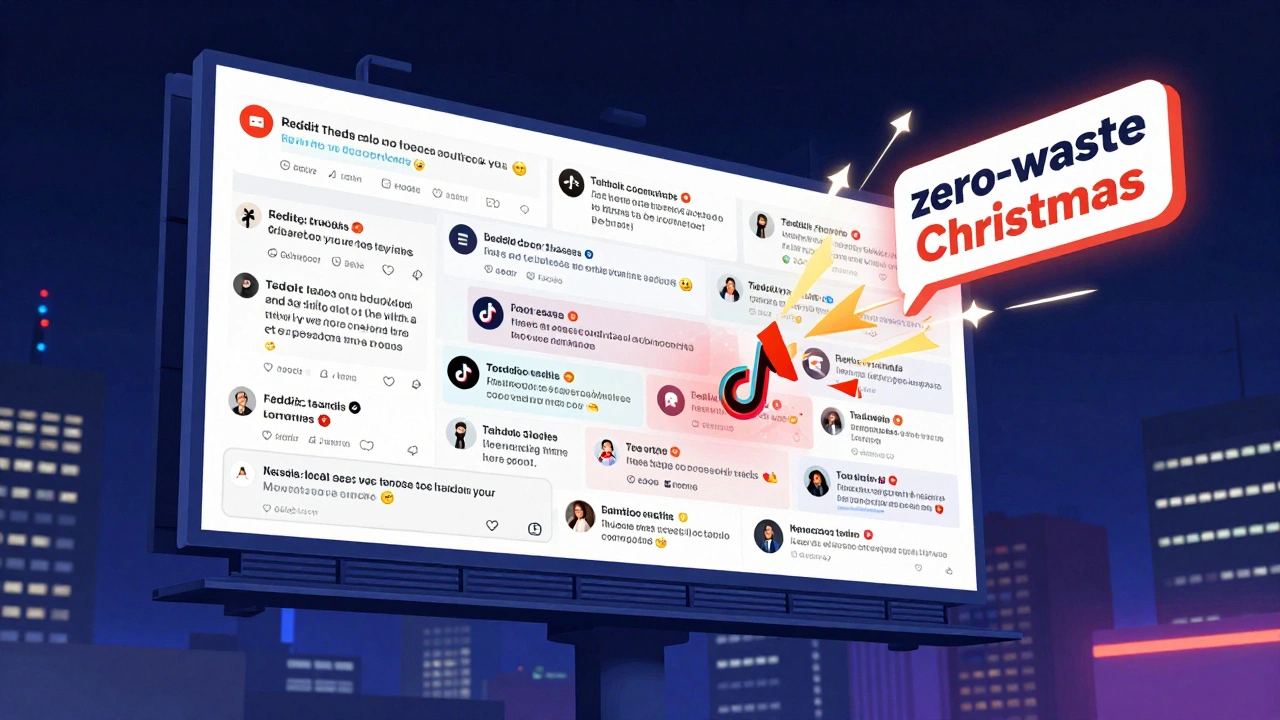
One e-commerce brand selling eco-friendly kitchenware started using ChatGPT to scan Reddit threads, TikTok comments, and Google Trends daily. When “zero-waste Christmas” spiked in searches, they didn’t wait for the marketing team to write new copy. They fed the trending keywords into ChatGPT, asked for 10 ad variations targeting holiday shoppers, and launched them within two hours.
Result? A 31% spike in conversions over the next 72 hours. The campaign didn’t just respond to trends-it anticipated them by reading the noise before it became a signal.
ChatGPT doesn’t replace your strategy. It amplifies your agility. You set the goals. It handles the speed.
Scaling Personalization Without Hiring a Team
Personalized ads work. But personalizing for thousands of segments? That used to mean hiring copywriters, data analysts, and CRM specialists. Now, it’s a single prompt.
Imagine you run a fitness app targeting three groups: busy moms, college students, and retirees. Instead of writing three separate ad sets, you give ChatGPT:
- Customer profiles for each group
- Your core offer: “10-minute workouts that fit your day”
- Three example headlines that worked in the past
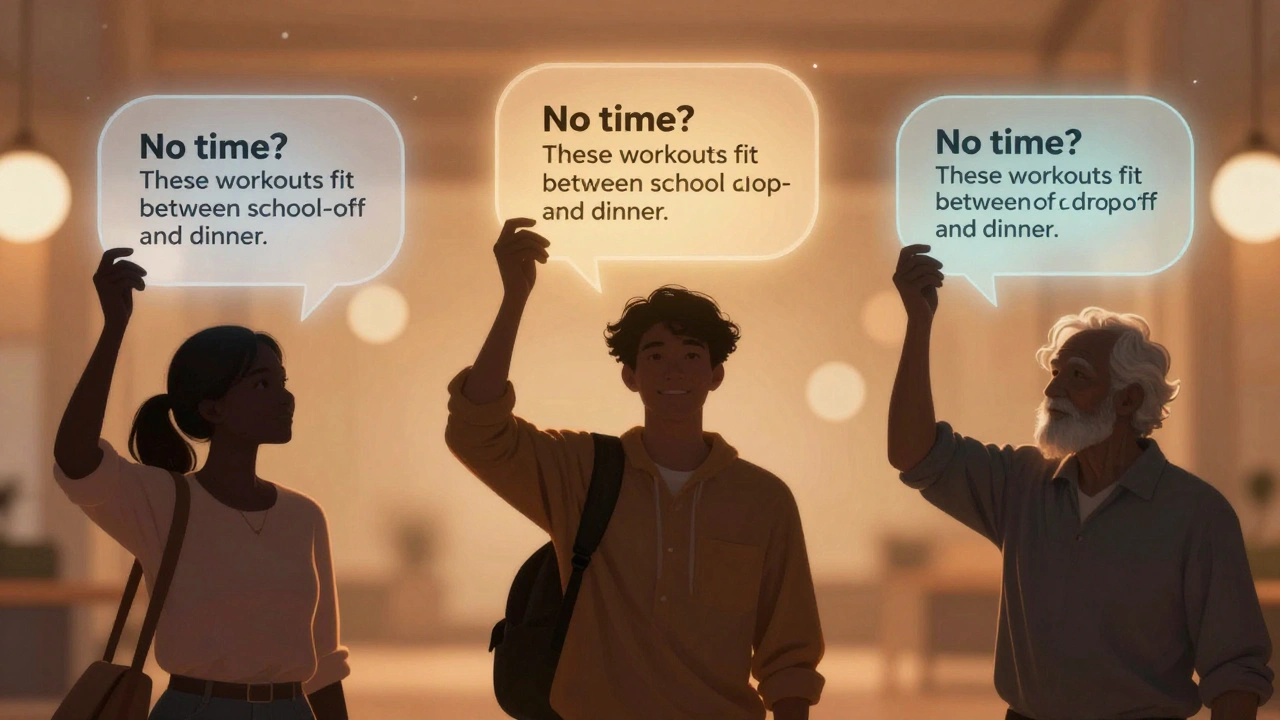
It generates 15 tailored variations per segment. For moms: “No time? These workouts fit between school drop-off and dinner.” For students: “Skip the gym. Burn calories between lectures.” For retirees: “Stay strong without hurting your knees.”
Each version feels like it was written just for them. And that’s the secret. People don’t buy from brands. They buy from voices that understand them. ChatGPT helps you speak to each one-without hiring 15 writers.
Turning Data Into Messages You Can Actually Use
You’ve got data. Google Analytics. Meta Insights. Customer surveys. But what do you do with it? Most marketers just stare at charts.
ChatGPT turns numbers into narratives. Feed it your top-performing ad metrics: “High CTR on 35-44 age group, low conversion on 18-24.” Then ask: “Why might this group click but not buy? Suggest 5 ad copy tweaks to fix it.”
It might reply: “Younger users are skeptical of vague claims like ‘transform your life.’ They want proof. Try adding ‘See how 2,300 students used this in 14 days’ with a link to a real testimonial video.”
That’s not magic. That’s pattern recognition. ChatGPT connects the dots between behavior, language, and outcome faster than any human can.
Testing Ads Without Spending a Dime
Running A/B tests costs money. You pay for clicks, impressions, and time. What if you could test 50 ad variations before spending a single dollar?
That’s what top advertisers do. They use ChatGPT to simulate audience reactions. Ask it: “You’re a 28-year-old woman scrolling Instagram. You see these three headlines. Which one makes you pause? Why?”
Then ask: “You’re a 52-year-old man who just lost his job. Would this ad feel helpful or pushy?”
It doesn’t predict the future. But it simulates real human psychology based on millions of interactions it’s seen. You get instant feedback on tone, urgency, and emotional appeal-before you launch.
One digital agency tested 120 ad variations this way. They picked the top 5, ran them live, and saw a 63% match between ChatGPT’s predicted performance and actual results.
Where ChatGPT Fails (And How to Fix It)
It’s not perfect. And pretending it is will cost you.
ChatGPT doesn’t know your brand voice unless you teach it. Give it a few examples of your past ads, tone guidelines, and customer quotes. Otherwise, it’ll sound like every other AI-generated ad-generic, overly enthusiastic, and slightly robotic.
It also doesn’t understand legal limits. In the U.S., ads for weight loss, finance, or health products need disclaimers. ChatGPT might forget them. Always review output for compliance.
And never let it write your entire campaign alone. Use it as your co-pilot. You provide strategy, context, and final approval. It handles volume, speed, and variation.
Real Example: How a Local Gym Used ChatGPT to Double Sign-Ups
A small gym in Austin had a problem: their Facebook ads were getting clicks but no sign-ups. Their copy was bland: “Great workouts. Friendly staff.”
They fed ChatGPT 10 customer reviews. The most common phrases? “I finally lost weight without starving,” “No judgment here,” “My trainer remembered my kid’s name.”
ChatGPT generated 15 new headlines. One stuck: “Your first workout won’t be perfect. But no one will laugh.”
They tested it against their old ad. New version: 89% more sign-ups. Cost per lead dropped from $14 to $6.75.
They didn’t change their service. They just started talking like their customers.
How to Start Using ChatGPT for Ads Today
You don’t need to be a tech expert. Here’s your starter plan:
- Grab 5 real customer quotes or reviews from your business.
- Paste them into ChatGPT with this prompt: “Turn these into 10 short ad headlines that sound like real people talking, not marketing jargon.”
- Take the top 3 and test them in your next ad campaign.
- After 3 days, feed the results back: “Why did this headline perform better than the others?”
- Repeat. Every week.
That’s it. No complex tools. No expensive software. Just your data and a prompt.
What Comes Next
ChatGPT won’t replace marketers. But marketers who use ChatGPT will replace those who don’t.
The next wave isn’t about AI writing ads. It’s about AI helping you listen better. To your customers. To your data. To the noise before it becomes a trend.
The best ad isn’t the one with the fanciest graphic. It’s the one that sounds like someone who gets you. ChatGPT helps you find that voice-and scale it.
Can ChatGPT write ads that actually convert?
Yes-but only if you guide it. ChatGPT doesn’t know your audience unless you give it real customer language. Feed it reviews, support chats, or survey responses. Then ask it to rewrite your ads in that voice. Ads that sound like real people beat corporate-speak every time.
Is ChatGPT better than hiring a copywriter?
Not better. Faster and cheaper. A human copywriter brings strategy, brand nuance, and emotional intelligence. ChatGPT handles volume, testing, and scaling. Use them together. Let ChatGPT generate 20 variations. Pick the best ones. Then have your copywriter polish them. You get speed and soul.
Can I use ChatGPT for paid ads on Google and Meta?
Absolutely. Both platforms reward ad relevance. ChatGPT helps you write headlines and descriptions that match what your audience is searching for or reacting to. Just make sure your final copy follows each platform’s character limits and policies-especially for health, finance, or weight loss claims.
Does ChatGPT understand my brand voice?
Not until you teach it. Give it 3-5 examples of your past ads or website copy. Say: “Write like this.” Then test its output. If it sounds too generic, add more examples. The more you train it, the more it sounds like you.
Is using ChatGPT for ads ethical?
Yes-if you’re transparent and honest. Don’t use it to lie, manipulate, or hide facts. Use it to communicate better. If your product helps people, let ChatGPT help you say that in a way that resonates. Ethical AI isn’t about avoiding it. It’s about using it responsibly.
How much time does this actually save?
One marketer cut their ad creation time from 8 hours a week to 90 minutes. They used to write 3-5 ads. Now they test 20. That’s not just saving time-it’s multiplying options. More tests mean better results. And better results mean more profit.
Final Tip: Start Small, Think Big
You don’t need to overhaul your entire ad strategy tomorrow. Just pick one campaign. One product. One audience. Use ChatGPT to rewrite your headline. Test it. See what happens. Then do it again.
The secret isn’t the tool. It’s the habit. The people who win aren’t the ones with the fanciest AI. They’re the ones who test, learn, and repeat-faster than everyone else.
Latest Posts