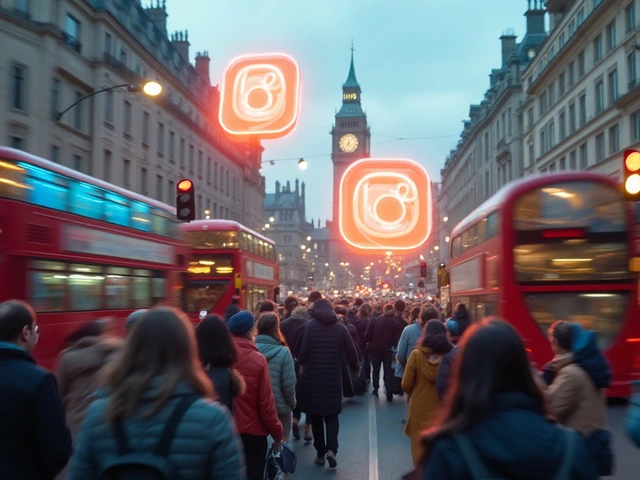

Online marketing isn’t what it was five years ago. The tools, the pace, the expectations - they’ve all shifted. And one of the biggest changes? ChatGPT is no longer just a tech experiment. It’s now a core part of how brands reach customers, write ads, and even predict what people want before they say it.
Think about it: you’re scrolling through Instagram and see an ad that feels like it was written just for you. Not because of your past clicks, but because the copy was generated by AI that studied thousands of similar customers. That’s not magic. That’s ChatGPT at work.
ChatGPT Is Writing Your Ads Now
Most small businesses still rely on freelancers or agencies to write ad copy. It’s slow. It’s expensive. And it’s often generic. ChatGPT changes that.
A bakery in Melbourne started using ChatGPT to generate 50 different Facebook ad variations in under 10 minutes. They tested them all. The top three outperformed their old best-performing ad by 47%. Why? Because ChatGPT didn’t just rewrite the same message. It pulled from real customer reviews, local slang, and trending phrases in their area. It knew to say “flaky sourdough croissants” instead of “fresh pastries.” That specificity matters.
Tools like ChatGPT don’t replace copywriters - they make them faster. Marketers now use it to brainstorm 10 angles, then pick the one that feels human. The best campaigns today aren’t written by AI. They’re written by humans who used AI as a brainstorming partner.
Personalization at Scale
Personalization used to mean putting someone’s first name in an email. Now, it means tailoring the entire message - tone, length, even product recommendation - based on how they interacted with your last message.
A SaaS company in Brisbane started using ChatGPT to analyze support tickets. It looked for patterns: customers who mentioned “time-consuming” were more likely to churn. So, the marketing team created a new onboarding sequence that highlighted time-saving features. Result? A 32% drop in early churn.
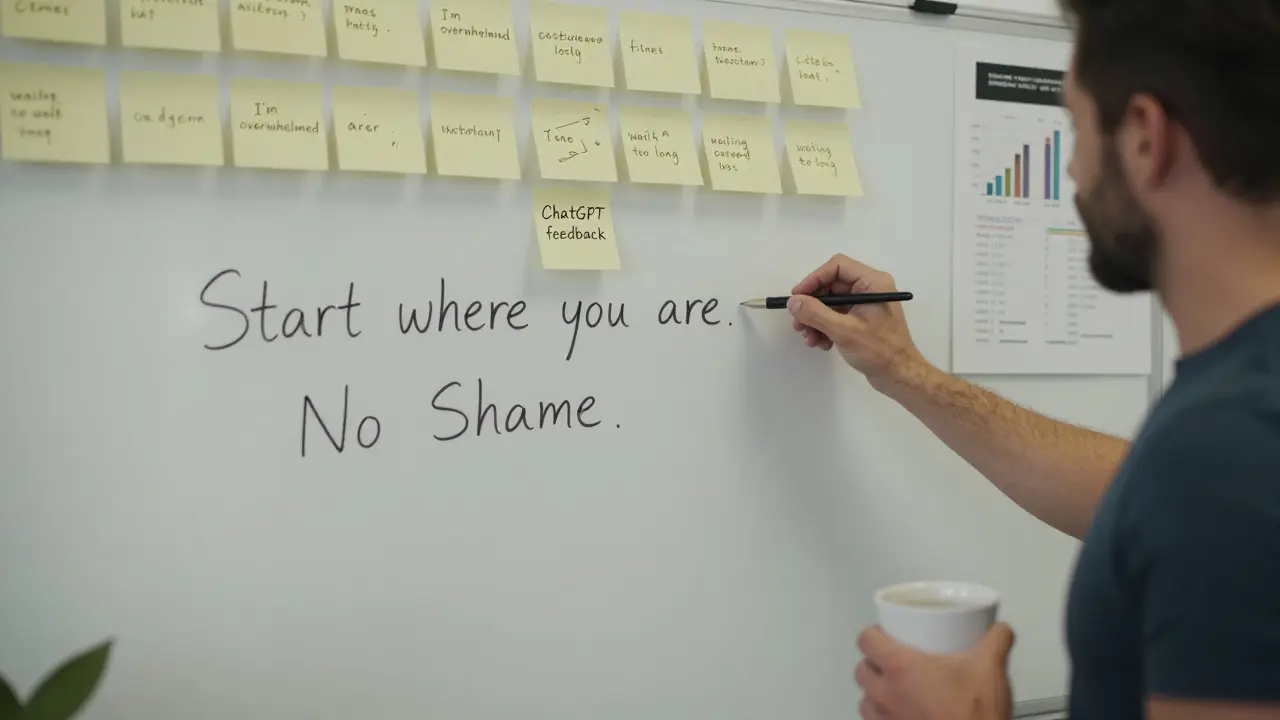
ChatGPT can scan hundreds of customer conversations and spot what humans miss. It finds the emotional triggers behind the words. “I’m overwhelmed” isn’t just a complaint - it’s a signal that your product needs to speak to calm, clarity, and control.
Customer Service That Doesn’t Feel Like a Bot
Most chatbots sound robotic. They loop. They redirect. They frustrate. ChatGPT-powered support tools are different.
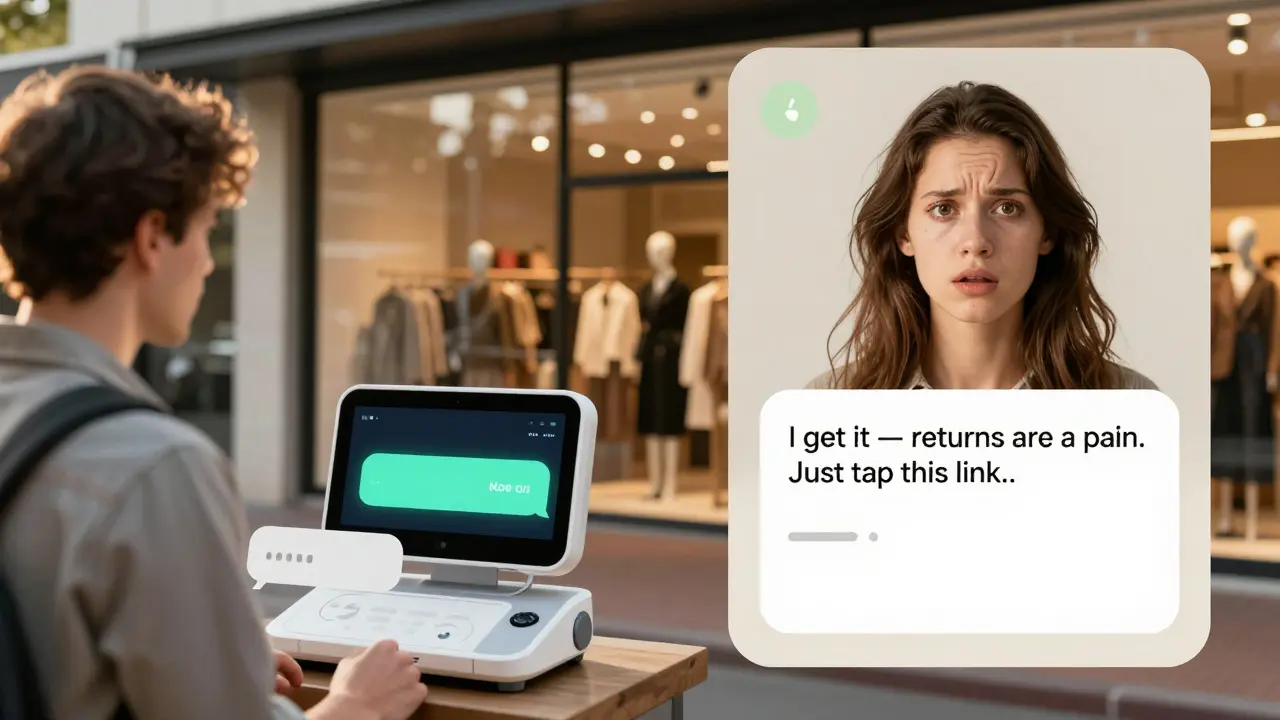
An online fashion retailer in Sydney replaced its old FAQ bot with one trained on real customer service logs. Instead of saying “Please visit our Returns page,” it now says: “I get it - returns are a pain. Here’s how we made it easy: just tap this link, print the label, and drop it at any Australia Post. No questions asked.”
The difference? Tone. Empathy. Context. ChatGPT learned how real humans talk when they’re stressed. It doesn’t just answer questions - it reads between the lines.
Content That Actually Gets Seen
Everyone’s creating content. But only a fraction gets traction. Why? Because most of it’s written for search engines, not people.
ChatGPT helps flip that. Marketers now use it to reverse-engineer what’s working. Feed it 10 top-performing blog posts in your niche. Ask it: “What’s the tone? What questions are they answering? What’s left out?” Then, use that to build something better.
A fitness coach in Adelaide used this method to rewrite her most popular article. She didn’t just add more keywords. She added real stories from clients - the kind that make people pause and think, “That’s me.” Her traffic doubled. Comments increased by 200%.
ChatGPT doesn’t write content. It helps you write content that connects.
Testing Campaigns Before You Launch
Launching a new campaign is risky. You spend money. You invest time. And if it flops? You lose both.
Now, marketers use ChatGPT as a virtual focus group. They feed it the campaign idea - ad copy, visuals, landing page text - and ask: “Who’s this for? What would turn them off? What’s missing?”
A local gym in Perth ran this test before launching a “New Year, Stronger You” campaign. ChatGPT pointed out: “Most people feel guilty about fitness. You’re speaking to ambition, not guilt. Try ‘Start where you are. No shame.’” They changed the headline. Sign-ups went up 61%.
This isn’t guesswork. It’s rapid feedback. And it’s free.
What ChatGPT Can’t Do (And What You Still Need)
Let’s be clear: ChatGPT isn’t a magic wand. It doesn’t know your brand voice unless you teach it. It doesn’t understand cultural nuance without context. And it can’t replace human intuition.
Here’s what still matters:
- Brand voice - ChatGPT can mimic it, but only if you’ve defined it clearly.
- Emotional intelligence - It can simulate empathy, but it can’t feel it. You still need humans to spot when something feels off.
- Strategy - ChatGPT helps execute. It doesn’t decide what to do next.
Think of it like a really smart assistant. You give it direction. It gives you options. You pick the best one - and then make it better.
Real-World Examples That Worked
Here are three campaigns from 2025 that used ChatGPT - and saw real results:
- Travel agency (Brisbane) - Used ChatGPT to rewrite 200 email sequences for past customers. Added local events, weather forecasts, and personal memories from their trips. Open rates jumped from 18% to 42%.
- Ecommerce brand (Sydney) - Asked ChatGPT to generate 100 product descriptions based on customer reviews. Then used A/B testing to pick the top 5. Conversion rate rose by 29%.
- Local dentist (Melbourne) - Had ChatGPT analyze 500 Google reviews. Found “waiting too long” was the #1 complaint. They changed their booking system, added real-time wait estimates, and updated their ad copy. No-shows dropped by 37%.
These weren’t fancy tech setups. Just smart people using ChatGPT to ask better questions.
Where to Start
If you’re not using ChatGPT in your marketing yet, here’s how to begin - without wasting time:
- Start with one task - Try rewriting one email, ad, or product description. Compare it to your old version. See what’s better.
- Feed it real data - Don’t use generic prompts. Use your own customer reviews, support chats, or sales calls. The more real data, the better the output.
- Always edit - ChatGPT gives you a draft. You make it human.
- Track the results - Did open rates go up? Did clicks change? Did people comment more? That’s your proof.
You don’t need to overhaul everything. Just start small. One email. One ad. One landing page. Then build from there.
The Future Isn’t AI Replacing Marketers - It’s Marketers Using AI Better
The best marketers in 2026 aren’t the ones who use AI the most. They’re the ones who use it the smartest.
They know ChatGPT is a tool - not a replacement. It helps them work faster, think deeper, and connect more honestly. It doesn’t take their job. It makes their job more meaningful.
If you’re still waiting to see if this is “worth it,” you’re already behind. The brands using ChatGPT today aren’t just keeping up. They’re rewriting the rules.
Can ChatGPT replace human marketers?
No. ChatGPT doesn’t replace marketers - it empowers them. It handles repetitive tasks like drafting copy, analyzing feedback, or brainstorming ideas. But strategy, emotional insight, brand voice, and ethical decisions still need humans. The best results come from humans using AI as a tool, not letting AI make the calls.
Is ChatGPT better than other AI tools for marketing?
ChatGPT isn’t necessarily “better” - it’s more flexible. Tools like Jasper or Copy.ai are built for specific marketing tasks, but ChatGPT can do them all: ad copy, email sequences, social posts, customer service replies, even analyzing customer sentiment. It’s like having one tool that does everything, instead of five different ones. That’s why so many marketers are switching to it.
Do I need to be tech-savvy to use ChatGPT for marketing?
Not at all. You don’t need to know coding or data science. If you can type a clear request - like “Rewrite this email to sound more casual and urgent” - you can use ChatGPT. The biggest barrier isn’t tech. It’s hesitation. Start simple: use it to rewrite one piece of content. Then see how much time it saves.
How accurate is ChatGPT for customer insights?
It’s surprisingly accurate - if you feed it real data. When trained on actual customer reviews, support tickets, or survey responses, ChatGPT can spot patterns humans overlook. For example, it might notice that 70% of complaints mention “slow response time,” even if your team only heard 3 of those complaints. That’s insight you can act on. But it’s only as good as the input. Garbage in, garbage out.
What are the biggest mistakes people make using ChatGPT in marketing?
Three big ones: 1) Using generic prompts like “Write a marketing email” - that leads to bland results. 2) Publishing AI output without editing - it sounds robotic. 3) Assuming it knows your brand - it doesn’t, unless you teach it. The key is specificity. Give it examples. Tell it your tone. Show it your customers. Then refine the output.