

Most businesses treat internet marketing like a cost center. You pay for ads, post on social media, and hope something sticks. But if you aren't seeing your bottom line grow, you're not leveraging it; you're just spending it. The difference between burning cash and generating profit lies in shifting from vanity metrics-likes and views-to financial metrics: Customer Acquisition Cost (CAC) and Lifetime Value (LTV).
In 2026, the digital landscape is noisier than ever. Attention is fragmented, privacy laws are tighter, and algorithms change weekly. To win, you need a system that connects every click to a dollar value. This isn't about getting more traffic; it's about getting better traffic and converting it more efficiently.
The Core Metric That Matters: LTV vs. CAC
Before you tweak a headline or buy another ad, look at these two numbers. They are the heartbeat of profitable internet marketingthe practice of promoting products or services using online channels to drive revenue.
- Customer Acquisition Cost (CAC): How much do you spend to get one new paying customer? Include ad spend, creative costs, and agency fees divided by the number of new customers.
- Lifetime Value (LTV): How much does that customer spend with you over their entire relationship with your brand?
If your LTV is $100 and your CAC is $80, you have a problem. You're losing money on every sale unless you can increase repeat purchases or average order value. A healthy ratio is 3:1 (LTV:CAC). If you hit that, you can scale aggressively. If you're below 2:1, stop scaling and fix your funnel first.
Audit Your Current Traffic Sources
Not all traffic is created equal. Organic search traffic might be cheap but slow. Paid social might be fast but expensive. You need to know which channel drives the highest-margin customers.
| Channel | Avg. CAC | Conversion Rate | Profit Potential |
|---|---|---|---|
| SEOSearch Engine Optimization strategies to rank organically | Low ($5-$15) | High (3-5%) | High (Long-term compounding) |
| Paid SocialAdvertising on platforms like Meta and TikTok | Medium ($20-$50) | Medium (1-2%) | Medium (Scalable but volatile) |
| Email MarketingDirect communication via email lists | Very Low (<$1) | High (5-10%) | Very High (Pure profit margin) |
Look at your analytics. Which channel brings in customers who buy again? Often, it's not the flashy video ad. It might be the blog post that answered a specific question. Double down on what works, cut what doesn't.
Optimize Your Conversion Funnel
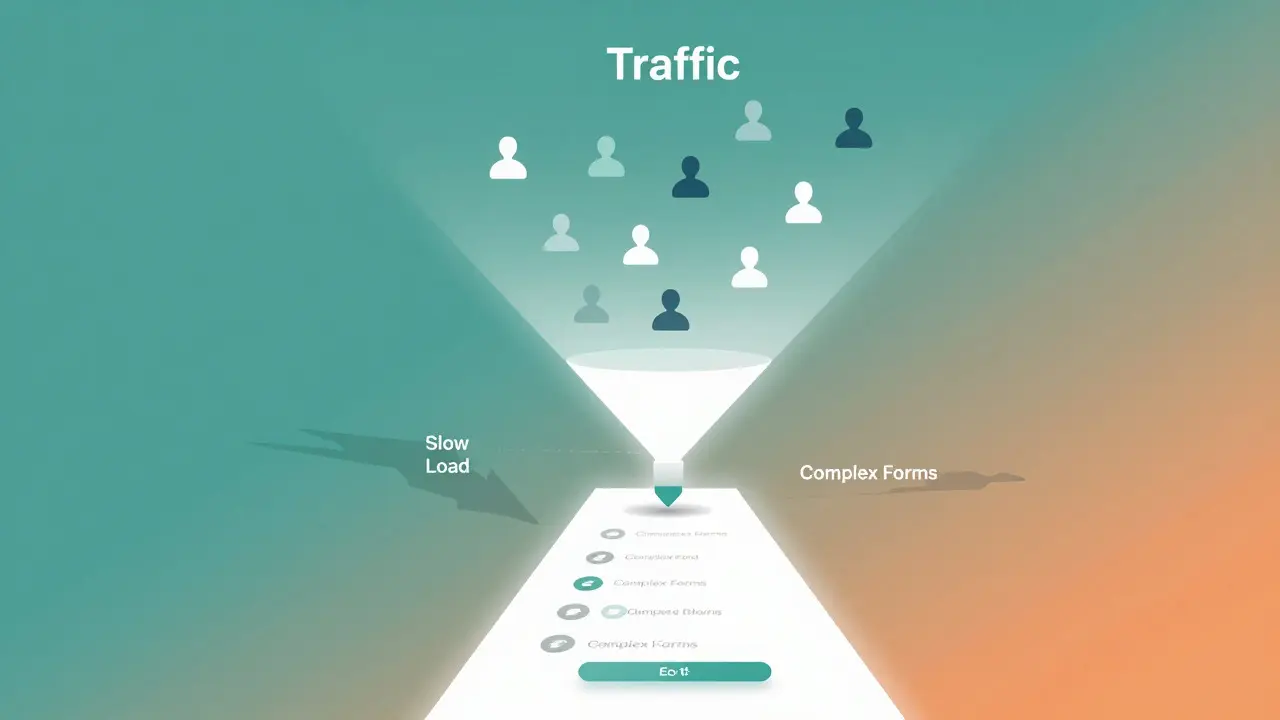
Traffic is useless if it doesn't convert. Most websites leak money through poor user experience. Here’s how to plug the leaks:
- Simplify the Checkout: Every extra field reduces conversions. Ask only for what you absolutely need. Guest checkout is non-negotiable for most e-commerce stores.
- Speed Matters: In 2026, users expect pages to load in under 2 seconds. Slow sites kill trust and rankings. Use tools like Google PageSpeed Insights to identify bottlenecks.
- Clear Value Proposition: Within five seconds, a visitor should know what you sell, why it’s better, and what to do next. Remove jargon. Speak human.
Test one thing at a time. Change the button color? Test it. Change the headline? Test it. Small improvements compound. A 1% increase in conversion rate can mean thousands in extra profit without spending a dime on ads.
Leverage Email Marketing for Retention
Acquiring a new customer is five times more expensive than retaining an existing one. Email remains the king of retention because you own the list. Algorithms don't control it.
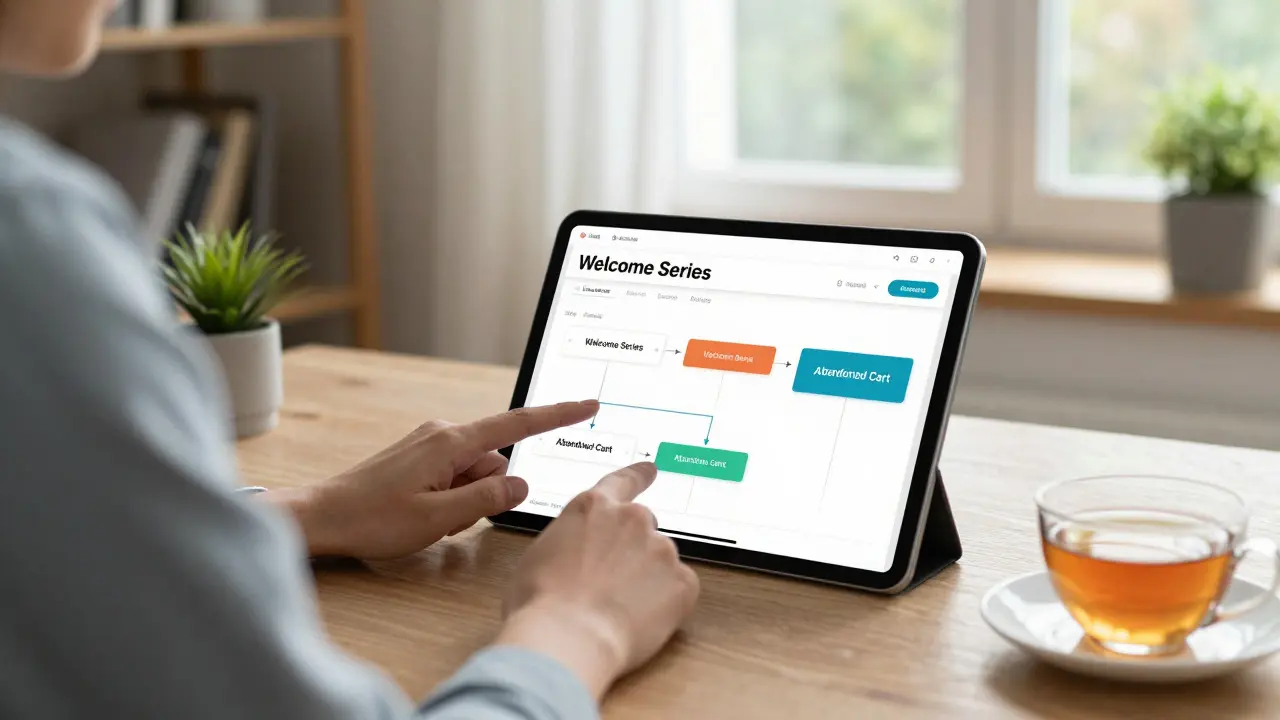
Build automated flows that trigger based on behavior:
- Welcome Series: Introduce your brand and offer a small incentive for the first purchase.
- Abandoned Cart: Remind users what they left behind. Add urgency or a small discount if needed.
- Post-Purchase: Ask for reviews, suggest complementary products, and educate them on how to use what they bought.
Personalization goes beyond "Hi [Name]." Use purchase history to recommend relevant items. If someone buys running shoes, don't send them emails about hiking boots. Send them socks and shoe care tips. This relevance boosts open rates and click-throughs, directly impacting revenue.
Use Data to Refine Targeting
Gone are the days of broad audience targeting. With privacy changes, you need to rely on first-party data. Collect emails, phone numbers, and preferences explicitly.
Create lookalike audiences based on your best customers, not just anyone who visited your site. Feed your CRM data into your ad platforms. Tell Facebook or Google: "Find me people who act like my top 10% spenders." This shifts your focus from awareness to performance.
Also, track offline conversions. Did a user click an ad online but call your office? Did they visit your store after seeing a retargeting ad? Integrating online and offline data gives you a complete picture of ROI.
Content as a Profit Driver
Content marketing isn't just about branding. It's about capturing intent. When someone searches "best running shoes for flat feet," they are ready to buy. If your content answers that question thoroughly, you capture that high-intent traffic.
Focus on commercial intent keywords. These are phrases that indicate buying readiness. Optimize product pages, comparison guides, and review articles. Ensure your content includes clear calls to action. Don't just inform; persuade.
Repurpose high-performing content. Turn a popular blog post into a video, an infographic, and a series of social posts. Maximize the return on every piece of content you create.
Common Pitfalls to Avoid
Even smart marketers make costly mistakes. Watch out for these:
- Chasing Virality: Viral posts bring fleeting attention. Build systems that bring consistent results.
- Ignoring Mobile: Over 60% of web traffic is mobile. If your site isn't mobile-first, you're leaving money on the table.
- Over-Automation: Automation is great, but don't lose the human touch. Personal responses build loyalty.
Regularly audit your campaigns. What worked last quarter might not work today. Stay agile. Test, measure, learn, and repeat.
How long does it take to see profits from internet marketing?
It depends on the channel. Paid advertising can generate immediate sales if your offer and landing page are strong. SEO and content marketing typically take 3-6 months to gain traction but provide compounding returns over time. Email marketing yields quick wins if you already have a list.
What is the best internet marketing strategy for small businesses?
Focus on low-cost, high-retention channels. Start with email marketing and local SEO. These require minimal budget but deliver high ROI. Once you have a steady flow of customers, reinvest profits into paid social or influencer partnerships to scale.
How do I calculate my marketing ROI?
Subtract your total marketing costs from the revenue generated by those efforts, then divide by the marketing costs. Multiply by 100 to get a percentage. For example, if you spent $1,000 and made $5,000, your ROI is 400%. Aim for an ROI that covers your overhead and leaves room for profit.
Is social media marketing still effective in 2026?
Yes, but organic reach is lower than ever. Social media is now primarily a paid acquisition channel or a community-building tool. Use it for retargeting and engagement, not just broadcasting. Focus on platforms where your specific audience spends time, whether that's LinkedIn for B2B or TikTok for Gen Z.
How important is website speed for profitability?
Extremely. Studies show that a 1-second delay in page load time can reduce conversions by up to 7%. Faster sites improve user experience, boost SEO rankings, and increase ad quality scores, lowering your cost per click. Optimizing speed is a direct lever for increasing profit.