

Remember the last time you saw a billboard while playing your favorite video game? If it wasn’t a static image plastered on a virtual wall, you probably missed it entirely. That’s because in-game advertising has evolved far beyond simple billboards. It is now a dynamic, data-driven ecosystem where brands don’t just interrupt gameplay-they become part of it.
In 2026, gamers spend more time inside digital worlds than they do scrolling through social media feeds. For marketers, this shift isn’t just interesting; it’s essential. The old model of banner ads and pop-ups is dead. Gamers have ad-blockers, muscle memory for skipping intros, and zero patience for interruptions that break immersion. In-game advertising solves this by placing brands where attention is already focused, delivering messages that feel native rather than intrusive.
The Shift from Static to Dynamic Ads
To understand why this space is exploding, we need to look at how technology changed the rules. Ten years ago, an ad in a video game was baked into the code. If Nike wanted their logo on a soccer player’s jersey in FIFA, developers had to hardcode it. Once the game launched, that ad stayed there forever, even if the campaign ended or the brand pulled out.
Today, we use dynamic in-game advertising (DIA). This technology allows advertisers to change creatives in real-time across millions of devices simultaneously. Think of it like TV commercials, but for games. A car manufacturer can run a promotion for a new SUV during a specific weekend event, then switch to a different vehicle next week without updating the game itself. This flexibility gives brands the ability to target audiences based on location, time of day, and even weather conditions within the game world.
This shift created a new market structure. Instead of dealing directly with game studios-a process that was slow and expensive-brands now work through programmatic platforms. These platforms connect advertisers with inventory across hundreds of titles, optimizing bids and placements automatically. It makes buying in-game ads as easy as buying display ads on a website, but with much higher engagement rates.
Why Gamers Actually Like These Ads
You might think gamers hate ads. And they do-if those ads ruin the experience. But in-game advertising works differently. When done right, it enhances realism. Imagine driving through Los Angeles in a racing simulator. Seeing realistic storefronts, neon signs, and branded vehicles makes the city feel alive. It adds texture to the world.
More importantly, modern gamers are comfortable with transactional relationships. They pay for subscriptions, buy skins, and accept microtransactions. In return, they expect high-quality content. Free-to-play models often rely on cosmetic purchases or battle passes, which keeps the core gameplay free. Ads fit into this ecosystem when they offer value. For example, watching a short, skippable video to earn double rewards in a mobile game is a fair trade. The user gets something they want; the brand gets eyeballs.
The key difference here is consent and context. Unlike a YouTube pre-roll that stops you from watching a tutorial, in-game ads usually appear in natural spaces-on buildings, screens, or objects within the environment. They don’t pause the action. They exist alongside it. This non-intrusive nature leads to significantly higher recall rates compared to traditional digital ads.
Formats That Drive Engagement
Not all in-game ads are created equal. The format determines whether a player ignores the brand or interacts with it. Here are the main types dominating the industry today:
- Environmental Placements: These are static or dynamic images placed on surfaces like billboards, posters, or banners. They mimic real-world outdoor advertising (OOH) but within a virtual space. They work best for brand awareness because they are always visible but rarely demanding.
- Product Placement: This involves integrating actual products into the game mechanics. A character uses a specific smartphone, drinks a recognizable soda, or drives a real car. This builds deep association between the product and the lifestyle portrayed in the game.
- Playable Ads: Common in mobile gaming, these allow users to interact with a mini-version of another game or a brand experience before downloading an app. They are highly effective for user acquisition because they demonstrate value immediately.
- Branded Experiences: These go beyond placement. Brands create entire zones, events, or items within a game. Think of a virtual concert hosted by a music label or a limited-edition skin series designed in collaboration with a fashion house. These generate buzz and community engagement.
Choosing the right format depends on your goal. If you want quick clicks, playable ads win. If you want long-term brand equity, environmental placements and product integrations are stronger. Mixing formats creates a holistic strategy that reaches players at different stages of their journey.
Measuring Success in Virtual Worlds
One of the biggest hurdles for in-game advertising used to be measurement. How do you know if someone saw a billboard in a multiplayer shooter? Traditional web analytics didn’t apply. Today, however, tracking has become sophisticated thanks to server-side verification and eye-tracking studies.
Programmatic platforms provide detailed reports on impressions, viewability, and engagement. Viewability ensures the ad was actually on screen and not hidden behind a wall or off-screen. Eye-tracking technology, integrated into some PC setups and VR headsets, tells us exactly where players look. We know that players naturally scan environments for threats and resources, so placing ads in high-traffic sightlines guarantees visibility.
For performance campaigns, attribution models link ad exposure to downstream actions. Did seeing a sneaker ad in a basketball game lead to a visit to the retailer’s site? With unified ID solutions and cookieless tracking methods becoming standard in 2026, connecting virtual impressions to real-world sales is increasingly accurate.
| Format Type | Best For | Engagement Level | Cost Efficiency |
|---|---|---|---|
| Environmental Placements | Brand Awareness | Low to Medium | High |
| Product Placement | Lifestyle Association | Medium | Medium |
| Playable Ads | User Acquisition | High | Low |
| Branded Experiences | Community Building | Very High | Low |
Challenges and Ethical Considerations
Despite its growth, in-game advertising faces unique challenges. One major issue is brand safety. Games vary wildly in content rating. An ad appearing in a family-friendly puzzle game is very different from one in a violent first-person shooter. Advertisers must carefully vet the environments where their logos appear to avoid negative associations.
Another concern is authenticity. Players are savvy. If a luxury watch brand forces a character to wear it in a gritty survival horror game, it feels fake and breaks immersion. Successful partnerships align with the game’s tone and audience. Collaboration with developers early in the design process ensures that ads feel organic rather than tacked-on.
Data privacy is also critical. As games collect more behavioral data to optimize ad delivery, companies must comply with regulations like GDPR and CCPA. Transparency about what data is collected and how it’s used builds trust with both players and partners.

The Future: AR, VR, and the Metaverse
Looking ahead, the boundaries between physical and digital advertising will blur further. Augmented Reality (AR) games like Pokémon GO already overlay digital elements onto the real world. Imagine walking past a coffee shop and seeing a virtual discount coupon floating above it through your phone camera. That’s the next frontier.
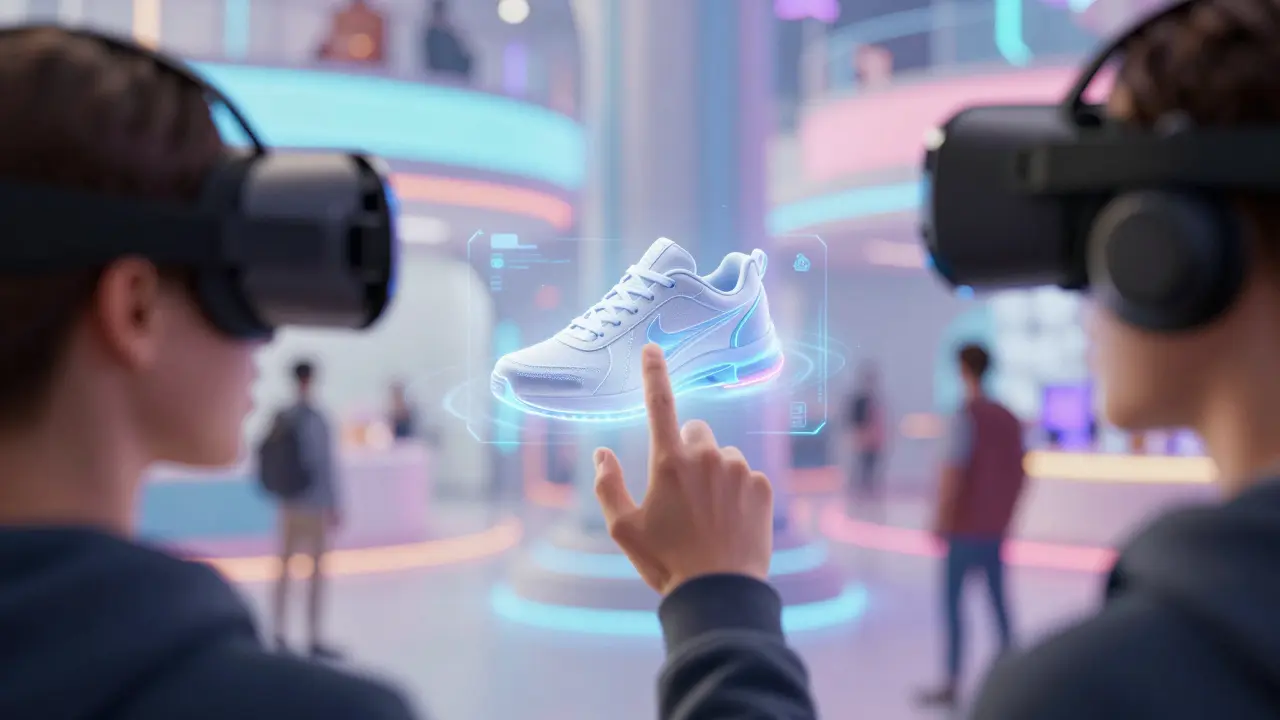
Virtual Reality (VR) offers even deeper immersion. In VR, you’re not just looking at a screen; you’re standing in the space. Ads can become interactive objects you can pick up, examine, or manipulate. A furniture brand could let users place a virtual sofa in their living room via VR headset, blending e-commerce with experiential marketing.
The concept of the metaverse accelerates this trend. Persistent virtual worlds where people work, socialize, and play require new economic models. Digital goods, virtual real estate, and branded experiences will drive revenue. Early adopters who establish presence in these spaces now will define the standards for future interactions.
Getting Started with In-Game Campaigns
If you’re ready to test this channel, start small. Don’t try to launch a massive branded zone immediately. Begin with programmatic environmental placements to gauge interest and measure baseline metrics. Choose games that match your target demographic. A financial service might find better results in strategy games, while a beverage brand thrives in sports simulations.
Work with experienced agencies or platforms that specialize in gaming media. They understand the nuances of each title and can negotiate favorable terms. Set clear KPIs upfront-whether it’s viewability, click-through rate, or lift in brand sentiment-and iterate based on data.
Most importantly, respect the player. Create ads that entertain, inform, or enhance the experience. If you add value, gamers won’t just tolerate your presence; they’ll welcome it.
What is the average cost per mille (CPM) for in-game advertising?
CPMs vary widely depending on the platform, game genre, and targeting precision. Generally, in-game CPMs range from $5 to $15, which is competitive compared to premium video streaming ads. Mobile games tend to have lower CPMs ($3-$8), while console and PC titles with high engagement can reach $10-$20. Programmatic buying helps optimize costs by automating bids based on real-time performance.
Can I target specific demographics with in-game ads?
Yes, modern programmatic platforms allow robust targeting. You can segment audiences by age, gender, location, device type, and even in-game behavior. For instance, you can target players who frequently purchase in-game currency or those who play during peak evening hours. However, direct personal data usage is restricted due to privacy laws, so contextual targeting based on game genre and content remains highly effective.
Is in-game advertising suitable for small businesses?
Absolutely. While large-scale branded experiences require significant budgets, programmatic environmental placements are accessible to smaller budgets. You can start with daily spends as low as $50-$100 to test effectiveness. Focus on niche games with loyal communities relevant to your product. Localized targeting also helps small businesses reach nearby customers without wasting budget on irrelevant global impressions.
How does in-game advertising compare to social media ads?
Social media ads often suffer from ad fatigue and banner blindness. In-game ads benefit from captive attention and immersive environments. Users actively engage with the game world, making incidental ad exposure more memorable. While social media excels at precise demographic targeting and immediate conversions, in-game advertising builds stronger brand affinity and longer-lasting recall due to its emotional connection with entertainment.
Will AI replace human creativity in in-game ad design?
AI will augment, not replace, human creativity. Machine learning algorithms can optimize ad placement, predict which creatives perform best, and personalize messages dynamically. However, crafting compelling narratives, designing authentic brand integrations, and understanding cultural nuances still require human insight. The most successful campaigns combine AI-driven efficiency with creative storytelling that resonates emotionally with gamers.
Latest Posts


The Essential Guide to In-Game Advertising
28/Jul/2023