

You don’t need a massive audience or a fancy product to make money online. You just need the right traffic and the right offer. That’s the core promise of affiliate marketing, a performance-based model where you earn commissions by promoting other people’s products. It sounds simple, but most beginners fail because they treat it like a get-rich-quick scheme instead of a real business.
If you want to master this skill in 2026, you need to understand the mechanics, choose the right niche, and build trust with your audience. This guide cuts through the noise and gives you a step-by-step roadmap to building a sustainable affiliate income stream.
How Affiliate Marketing Actually Works
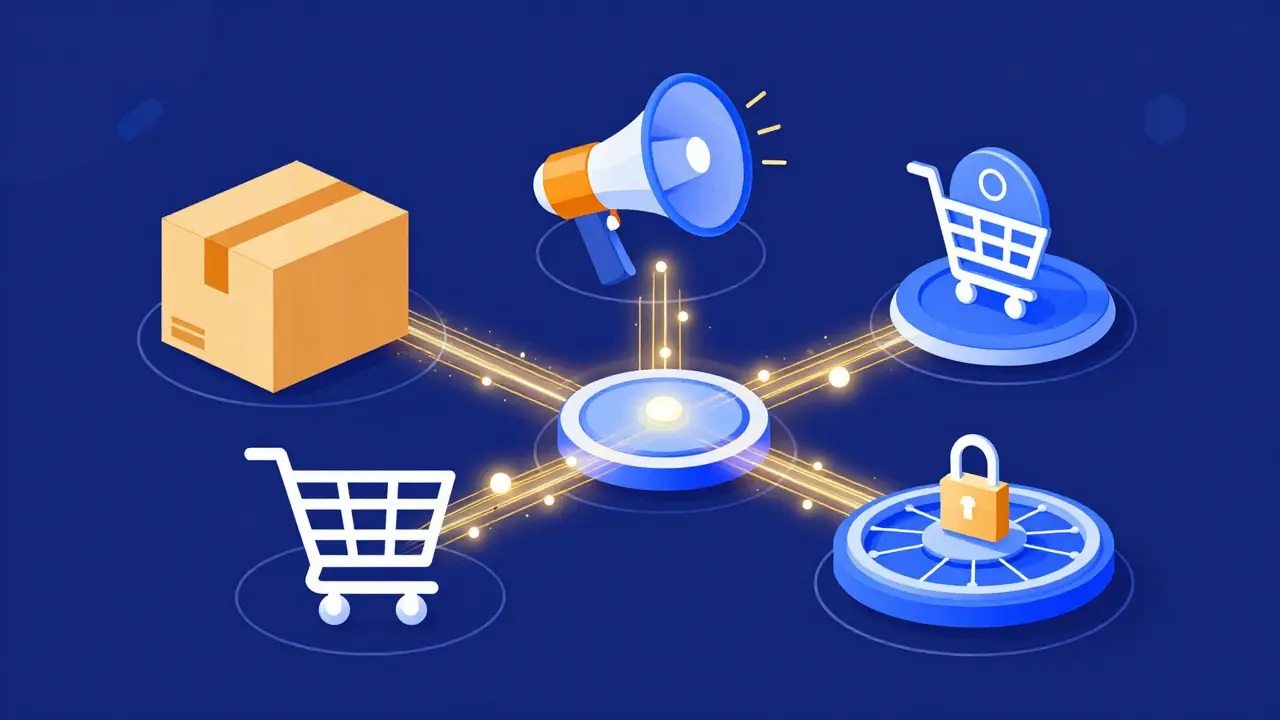
Before you start signing up for programs, you need to grasp the basic ecosystem. There are four main players involved in every transaction:
- The Merchant (Advertiser): The company that creates the product or service. They set the commission rate and provide the tracking links.
- The Affiliate (You): The person who promotes the product. You drive traffic to the merchant’s site using your unique link.
- The Consumer: The person who clicks your link and makes a purchase.
- The Network (Optional): Platforms like ShareASale or CJ Affiliate that connect merchants with affiliates and handle payments.
When a consumer clicks your link, a cookie is placed on their browser. This cookie tracks whether they complete a desired action, usually a sale. If they buy within the cookie window (which can range from 24 hours to 90 days), you get paid. It’s that straightforward. However, the complexity lies in getting that click in the first place.
Choosing Your Niche and Product Type
One of the biggest mistakes new affiliates make is trying to sell everything to everyone. You won’t succeed if your website looks like a digital bazaar with random gadgets, weight loss pills, and software courses all mixed together. Instead, pick a specific niche where you have interest or expertise.
Consider these three main types of affiliate products:
- Physical Products: Items sold on platforms like Amazon. These have low commission rates (often 1-4%) but high conversion volumes because people already trust the platform.
- Digital Products: E-books, online courses, and templates. These often have higher margins (50% or more) because there’s no shipping cost.
- Services and Software (SaaS): Tools like email marketing platforms or hosting services. These are powerful because they often pay recurring commissions. You get paid every month as long as the customer stays subscribed.
If you’re looking for long-term stability, SaaS and digital products are usually the best bet. Physical products require constant content updates as trends change, while software subscriptions can build genuine passive income over time.
Finding High-Quality Affiliate Programs
Not all affiliate programs are created equal. Some have terrible support, delayed payments, or restrictive terms. Here’s how to vet them before you commit:
| Criteria | What to Look For | Red Flags |
|---|---|---|
| Commission Structure | Recurring revenue or high one-time payouts (>20%) | Low commissions with complex tiered requirements |
| Cookie Duration | 30 to 90 days | 24-hour cookies (you lose credit if they don’t buy immediately) |
| Payment Threshold | $50 or less | $500+ minimums that delay cash flow |
| Support & Resources | Dedicated affiliate manager, creative assets, banners | No communication, broken links, outdated materials |
Premium programs like Amazon Associates are great for beginners due to their brand recognition, but they aren’t the only option. Look for individual brands in your niche. Often, direct affiliate programs offer better commission rates than large networks because they cut out the middleman fee.
Building Trust Through Content Strategy
Your content is your sales team. People don’t buy from strangers; they buy from experts they trust. To convert readers into buyers, your content needs to solve problems, not just pitch products.
Focus on creating "high-intent" content. These are articles or videos that target users who are already close to making a purchase decision. Examples include:
- Product Reviews: Honest, detailed breakdowns of pros and cons. Use personal experience whenever possible.
- Comparison Posts: "Product A vs. Product B" articles help users decide between two options. These often have very high conversion rates.
- Best-of Lists: Curated lists like "Top 10 Project Management Tools for Small Teams."
- Tutorials: Show how to use a tool to achieve a specific result. Embed your affiliate link naturally within the steps.
Avoid generic listicles with thin content. Google’s algorithm favors comprehensive, original insights. If you haven’t used the product, be transparent about it. Fake reviews destroy credibility faster than anything else.
Traffic Sources: Where to Find Buyers
You can have the best product and the best website, but if no one sees it, you earn nothing. Diversifying your traffic sources is crucial for long-term success.
Search Engine Optimization (SEO) remains the most stable source of free traffic. By optimizing your content for relevant keywords, you attract users actively searching for solutions. This takes time-usually 3 to 6 months-but the returns are compounding.
Email Marketing is arguably the most profitable channel. Building an email list allows you to promote offers directly to people who have opted in. You control this asset, unlike social media algorithms which can change overnight. Offer a lead magnet, such as a free checklist or mini-course, to grow your list.
Social Media works well for visual products or lifestyle niches. Platforms like Instagram and TikTok are effective for demonstrating products in action. However, social traffic tends to be colder and requires more nurturing before conversion.

Optimizing Conversions and Scaling
Once you have traffic, focus on conversion rate optimization (CRO). Small tweaks can significantly increase your earnings without increasing traffic costs.
Place your affiliate links strategically. Don’t bury them at the bottom of a 2,000-word post. Include them early in the introduction if relevant, and again after key benefits. Use clear calls-to-action (CTAs) like "Check Current Price" or "Get Started Now." Button-style links often outperform plain text links because they stand out visually.
Track your data rigorously. Use tools like Google Analytics to see which pages drive the most clicks. Identify your top-performing content and create more of it. If a particular product converts well, write deeper content around it, such as case studies or troubleshooting guides.
Scaling involves expanding your reach. Consider guest posting on related blogs, collaborating with other affiliates, or running paid ads once you’ve proven profitability. Always reinvest a portion of your earnings back into your business to fuel growth.
Common Pitfalls to Avoid
Affiliate marketing is full of traps that can stall your progress. Stay alert for these common issues:
- Violating Disclosure Rules: The FTC requires you to disclose your affiliate relationships clearly. Failure to do so can lead to fines and loss of trust. Always include a disclaimer near your links.
- Chasing Low-Quality Traffic: Click farms and bot traffic will get your account banned. Focus on organic, human engagement.
- Neglecting Mobile Users: Over half of web traffic comes from mobile devices. Ensure your site loads quickly and links are easy to tap on small screens.
- Relying on One Income Source: If your primary affiliate program shuts down, your income stops. Diversify across multiple merchants and networks.
By avoiding these mistakes and focusing on providing value, you’ll build a resilient affiliate business that withstands market changes.
How much can I realistically earn with affiliate marketing?
Earnings vary widely based on niche, traffic volume, and commission rates. Beginners might make $0-$500 per month initially. Established affiliates with consistent traffic can earn $1,000-$10,000+ monthly. Top earners in lucrative niches like finance or software can make six figures annually. It’s not instant wealth; it’s a business that scales with effort and strategy.
Do I need a website to do affiliate marketing?
While you can share links on social media, having a website is highly recommended. It gives you control over your content, improves SEO visibility, and builds credibility. Social media platforms can ban accounts or change algorithms, whereas your website is an asset you own. Most reputable affiliate programs also require a functional website for approval.
Is affiliate marketing still profitable in 2026?
Yes, it is highly profitable. The industry continues to grow as more businesses adopt digital sales channels. However, competition has increased, so generic strategies no longer work. Success now depends on deep niche expertise, high-quality content, and strong audience trust. Personal branding and authentic recommendations are key differentiators.
What is the best affiliate network for beginners?
For beginners, Amazon Associates is often the easiest starting point due to its vast product selection and brand trust. However, commission rates are low. For higher earnings, consider networks like ShareASale or Impact, which host thousands of diverse brands across various niches. Direct brand programs often offer the best support and highest payouts.
How do I get approved for affiliate programs?
Most programs approve applicants who have a professional-looking website with original content. Create several blog posts or reviews in your chosen niche before applying. Clearly state your traffic sources and promotion methods in the application. Avoid spamming applications; tailor each one to show genuine interest in the brand.
Latest Posts