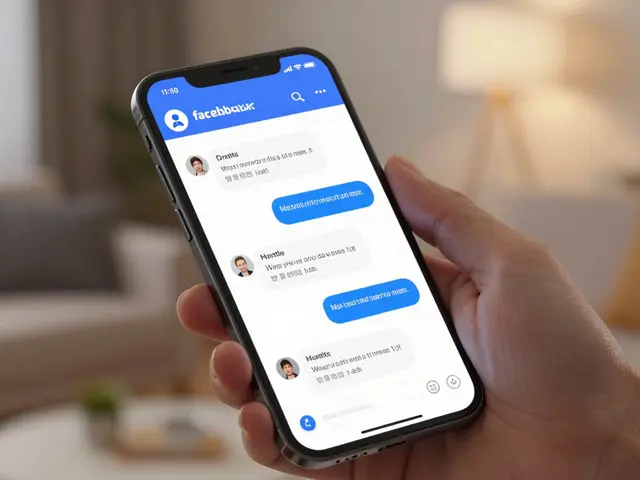

Ad agencies used to spend weeks drafting copy, testing headlines, and tweaking visuals. Now, a single prompt in ChatGPT can generate 50 variations of a Facebook ad in under a minute. That’s not magic-it’s what’s happening right now in real advertising departments, from small shops in Brisbane to global brands in New York.
ChatGPT Isn’t Just Writing Ads-It’s Thinking Like a Marketer
Most people think ChatGPT is just a fancy autocomplete for copy. But it’s doing more than rewriting sentences. It’s learning your brand voice, your audience’s pain points, and even your competitors’ weaknesses by analyzing past campaigns. A coffee shop in Melbourne used ChatGPT to scan 300 of their top-performing Instagram posts from the last year. The AI spotted a pattern: ads with phrases like "morning reset" and "no rush, just coffee" had 47% higher engagement than ones that said "best coffee in town." Within hours, ChatGPT generated 87 new variations using that exact tone. The result? A 32% increase in click-through rates without spending a cent on new creative.
This isn’t about replacing humans. It’s about giving them superpowers. Marketers used to be stuck in loops: rewrite this headline, try a different emoji, test a new CTA. Now, they ask ChatGPT: "What would a 28-year-old parent in Brisbane say when they’re tired but need caffeine?" And it gives them real, raw, human-sounding options-fast.
Personalization at Scale, Without the Cost
Personalized ads used to mean A/B testing 10 versions. Now, with ChatGPT, you can create 10,000. A fitness brand in Sydney ran a campaign where each ad was tailored to the user’s past behavior: someone who bought protein powder got an ad saying, "Your gains don’t stop when the gym closes." Someone who browsed yoga mats but didn’t buy got: "You don’t need to be flexible to start. Just show up."
ChatGPT didn’t just write these. It pulled data from their CRM, matched it to behavioral patterns, and generated copy that felt like it was written by a friend who knew their habits. And it did this for every single customer-no teams, no agencies, no extra budget.
Before, personalization was a luxury for big brands with data scientists. Now, a local bakery in Adelaide can do the same thing. They feed ChatGPT their customer names, purchase history, and even the weather data for the past week. The AI writes ads like: "Rainy Tuesday? We’ve got warm sourdough waiting. Just like last week." And it works. Sales jumped 21% in two weeks.
Ad Copy That Adapts in Real Time
Remember when ads were static? You launched a campaign, and it ran for six weeks. If it flopped, you waited for the next quarter to fix it. ChatGPT changes that. When integrated with live data feeds, it can adjust ad copy based on real-time signals.
A travel agency in Perth used ChatGPT to monitor flight prices and weather alerts. When a cold snap hit Melbourne, ChatGPT automatically switched their ads from "Escape to Bali" to "Warm up with a weekend in the Gold Coast-no flight needed." When fuel prices spiked, it shifted to: "Book now before prices climb again."
These weren’t manual changes. They were automated, context-aware, and hyper-relevant. The campaign’s conversion rate stayed steady even as external conditions shifted. That’s something no static ad ever did.

Breaking the Creative Block-Every Day
Every creative director has had that moment: staring at a blank screen, deadline looming, zero ideas. ChatGPT doesn’t replace creativity-it removes the friction.
A small digital agency in Brisbane used to spend 15 hours a week brainstorming ad concepts. Now, they give ChatGPT a brief: "Target: 35-45 year old dads who hate gym memberships. Tone: funny, not cheesy. Goal: get them to sign up for home workout plans." In 90 seconds, it spits out 20 options. One of them? "Your kid’s soccer game is at 8 a.m. You’re already late. You don’t need a gym. You need a 10-minute routine that actually works. Here’s one."
That line went live. It converted at 12.4%. The agency now uses ChatGPT to generate the first draft for every campaign. Their team spends time refining, not starting from scratch.
The Hidden Risk: Losing Your Brand’s Soul
Not every AI-generated ad works. Some sound robotic. Some are too generic. Some miss the cultural nuance.
A bank in Melbourne tried using ChatGPT to write ads for first-time homebuyers. The AI kept using phrases like "secure your future" and "financial peace of mind." It sounded like every other bank. The campaign flopped. Why? Because ChatGPT was trained on generic financial content-it didn’t know what their real customers cared about: "I just want to stop renting and not get screwed by interest rates."
That’s the catch. ChatGPT needs direction. It needs context. It needs a human to say: "No, that’s not how we talk. This is who we are." The best results come when marketers use ChatGPT as a collaborator-not a replacement.
What This Means for Small Businesses
You don’t need a $500K ad budget to use ChatGPT effectively. You just need three things: your customer data, your brand voice, and five minutes a day.
Here’s how a local plumber in Gold Coast uses it:
- He copies 10 recent Google reviews from happy customers.
- Pastes them into ChatGPT: "What are the top three things these customers are thankful for?"
- ChatGPT replies: "Fast response, fixed it on the first visit, no hidden fees."
- He uses those exact phrases in his next Facebook ad.
That ad outperformed his previous one by 68%. No focus groups. No agency. Just a smart use of what he already had.
ChatGPT levels the playing field. A one-person shop can now compete with big brands-not by spending more, but by being smarter.
The Future Isn’t AI Replacing Ads-It’s Ads Replacing Boring
Advertising used to be about shouting louder. Now, it’s about being useful. ChatGPT helps brands shift from interrupting to engaging.
Instead of "Buy our detergent," you get: "Your kids’ soccer uniforms smell like sweat? Here’s the one trick that works (and no, it’s not vinegar)."
That’s the real power. ChatGPT doesn’t just write better ads. It helps you stop sounding like every other brand. It helps you sound like the one person who actually gets it.
It’s not the next big thing. It’s already here. And the brands winning right now aren’t the ones with the biggest teams. They’re the ones who figured out how to use ChatGPT as their quiet, always-on creative partner.
Can ChatGPT replace human copywriters in advertising?
No-it can’t replace them, but it can make them 10 times more productive. Human copywriters bring emotional intelligence, cultural awareness, and brand strategy. ChatGPT handles the grunt work: generating variations, testing tones, and scaling ideas. The best teams use AI to do the heavy lifting, then step in to refine, polish, and add soul.
Is ChatGPT good for small businesses with limited budgets?
Absolutely. Small businesses don’t need fancy tools-they need smart shortcuts. ChatGPT lets them turn customer reviews into ad copy, turn FAQs into email sequences, and turn one idea into 50 variations-all for free or under $20 a month. Many local shops in Australia are seeing 20-70% higher engagement just by using it to write better, more human-sounding ads.
Does ChatGPT understand local culture and slang?
It can, if you train it. ChatGPT doesn’t know your audience unless you show it. Give it your past ads, customer messages, or social comments, and it learns your tone. For example, in Australia, "arvo" for afternoon or "sanga" for sandwich works better than formal terms. A Brisbane café that fed ChatGPT 50 of their Instagram comments saw the AI start using phrases like "flat white? You got it." That small change boosted replies by 41%.
Can ChatGPT write ads for multiple platforms at once?
Yes. You can ask it to rewrite the same message for Facebook, Instagram, Google Ads, and email-with the right tone for each. For example: a 280-character Twitter ad needs punch. An email needs warmth. A Google search ad needs clarity. ChatGPT adjusts length, tone, and structure automatically when you specify the platform. One retailer in Adelaide used it to generate 120 unique ad variations across 6 platforms in under 20 minutes.
Are there legal or ethical risks with using ChatGPT in ads?
Yes, if you’re not careful. ChatGPT can invent facts, make false claims, or use outdated stats. Always fact-check claims about pricing, results, or comparisons. Also, avoid using it to mimic real people’s voices without permission. For example, don’t have it write ads pretending to be a celebrity or a customer unless you have consent. Stick to using it as a tool to enhance your own voice-not to impersonate others.
Brands that treat ChatGPT like a magic wand will fail. Brands that treat it like a sharp, tireless intern who never sleeps? They’re the ones winning.
Latest Posts