
Social media used to be about posting a photo and hoping it got likes. Today, it is a high-speed game of algorithms, instant responses, and personalized engagement at scale. If you are still writing every caption by hand or waiting hours to reply to a comment, you are falling behind. ChatGPT is an advanced artificial intelligence model that generates human-like text based on prompts. It has moved far beyond simple Q&A. In 2026, it is the engine driving how brands create, schedule, and interact with their audiences across platforms like Instagram, LinkedIn, TikTok, and X. This isn't just about saving time. It is about changing the entire structure of digital communication. We are looking at a shift from manual broadcasting to intelligent, interactive dialogue. Here is how ChatGPT is reshaping the landscape of social media right now, and how you can use it without losing your brand’s voice.
From Blank Page to Viral Hook in Seconds
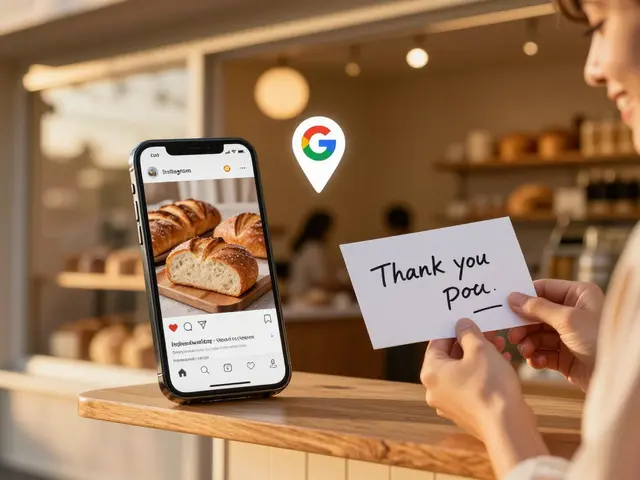
The biggest hurdle in social media is consistency. You know you need to post daily, but staring at a blank editor is exhausting. This is where generative AI steps in. Instead of asking ChatGPT to "write a post," you give it context. You tell it who your audience is, what the pain point is, and what tone you want. The result? A draft that is 90% there. Consider a local coffee shop in Brisbane trying to promote a new oat milk latte. Without AI, the owner might spend twenty minutes thinking of a clever line. With ChatGPT, they input: "Write three engaging Instagram captions for a new cold brew oat latte. Tone: friendly, energetic, slightly humorous. Include emojis." The output provides options instantly. One might focus on the health aspect, another on the taste, and a third on the morning routine. You pick the best one, tweak it to sound more like you, and post. This speed allows for volume without sacrificing quality. Brands can test multiple angles-humor, education, inspiration-to see what resonates. It turns content creation from a bottleneck into a flow state.
Personalization at Scale: Talking to Everyone Individually
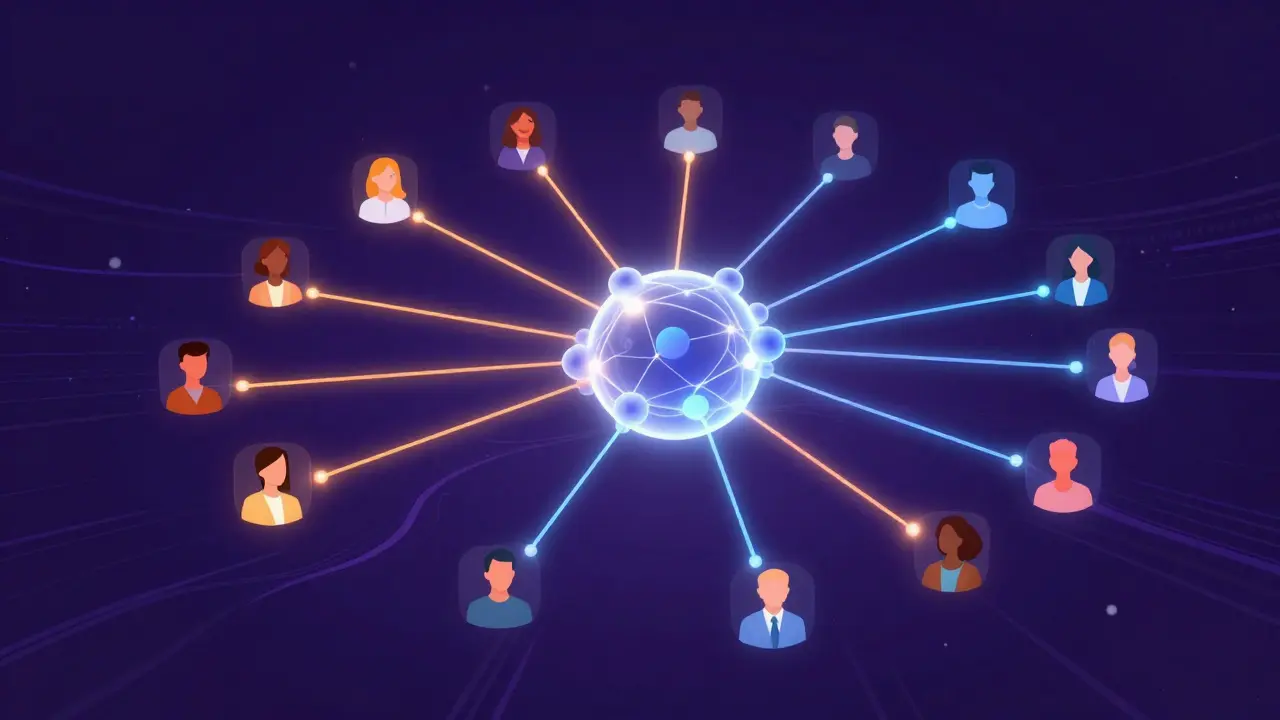
One of the hardest parts of growing a following is making each follower feel seen. When you have ten followers, you can reply to everyone personally. When you have ten thousand, it becomes impossible. ChatGPT bridges this gap by enabling hyper-personalized responses. Modern social media management tools integrate directly with AI models. When a user comments "Is this vegan?" on a recipe post, the system can trigger an AI response that reads the context of the original post and replies accurately and warmly. It doesn't send a generic bot message. It references the specific ingredient mentioned in the caption. This level of personalization builds trust. Users expect quick answers. If a brand takes two days to reply to a DM, the conversation dies. AI keeps the dialogue alive 24/7. However, the key is setting boundaries. You must train the AI to know when to hand off to a human. Complex complaints or sensitive issues should never be fully automated. Use AI for the first layer of engagement-acknowledgment, basic FAQs, and scheduling-and escalate the rest.
Visual Storytelling with Text-to-Image Integration
Social media is visual. While ChatGPT is primarily a text model, its ecosystem includes powerful image generation capabilities (like DALL-E integration). This means you can generate both the copy and the creative asset in one workflow. Imagine launching a new product line. You need a hero image for Facebook Ads. Instead of hiring a photographer or searching stock sites, you describe the scene to the AI: "A minimalist flat lay of a smartwatch on a marble desk, natural sunlight, modern aesthetic." The AI generates several variations. You choose one, add your logo in Canva, and pair it with the ad copy generated earlier. This tightens the feedback loop between creative and copy. Often, marketers struggle because the image and the text don't match in tone. By using the same AI tool for both, you ensure alignment. The visual style matches the linguistic style. This coherence increases click-through rates because the message feels unified and professional.
Strategic Planning and Trend Analysis
Posting randomly rarely works. Successful social media requires strategy. ChatGPT acts as a strategic consultant, helping you analyze trends and plan campaigns. You can feed it data about your past performance or current industry news, and ask for insights. For example, if you run a B2B software company, you might ask: "What are the top five LinkedIn trends for SaaS companies in Q3 2026? Provide actionable ideas for each." The AI will synthesize recent patterns-such as the rise of video carousels or the emphasis on employee advocacy-and suggest concrete tactics. You can also use it to audit your content calendar. Paste your last month's posts and ask: "Analyze these captions for variety in topic and tone. Identify any gaps." It might reveal that you’ve been too sales-heavy and not enough educational. This kind of meta-analysis helps you stay balanced and relevant. It turns raw data into strategic direction without needing a full-time analyst.
| Task | Manual Approach | AI-Assisted Approach |
|---|---|---|
| Caption Writing | 15-30 minutes per post; prone to writer's block | 2-5 minutes per post; multiple variations generated instantly |
| Audience Reply | Batched once or twice a day; delayed responses | Real-time, contextual replies available 24/7 |
| Trend Research | Hours of scrolling and note-taking | Instant synthesis of current trends and best practices |
| Content Calendar | Static spreadsheet; hard to update dynamically | Dynamic planning with adaptive suggestions based on performance |
Maintaining Authenticity in an AI World
There is a fear that AI makes brands sound robotic. This is true if you use AI poorly. If you paste a prompt and hit publish without editing, your audience will notice. They will sense the lack of soul. The secret is to treat AI as a co-pilot, not the pilot. Your brand voice comes from your values, your history, and your unique perspective. AI doesn't have these. You do. So, you must inject them. After the AI generates a draft, read it aloud. Does it sound like you? If not, rewrite the opening sentence. Add a personal anecdote. Mention a local event in Brisbane. These human touches are what build connection. Also, be transparent. Some audiences appreciate knowing when AI is involved. It shows honesty. But don't over-explain. Just ensure the final output aligns with your ethical standards and factual accuracy. Always fact-check AI outputs. Hallucinations-where AI makes up facts-are still a risk. Never let AI publish financial data, medical advice, or legal statements without human verification.

Ethical Considerations and Platform Policies
As AI becomes ubiquitous, platforms are updating their policies. Instagram, TikTok, and YouTube now require creators to label AI-generated content. This is crucial for maintaining trust. If you use AI to create realistic images or videos, you must disclose it. Failure to do so can lead to shadowbanning or account suspension. Beyond platform rules, consider the ethical impact. Are you using AI to spam? To manipulate emotions? To spread misinformation? No. Use it to enhance creativity and efficiency. Respect your audience's intelligence. They want value, not noise. AI helps you deliver value faster, but it shouldn't replace the genuine intent behind your communication. Also, be mindful of copyright. While AI-generated text is generally safe, ensure you aren't prompting the AI to replicate protected styles or copyrighted material verbatim. Originality remains king. AI is a tool for inspiration, not plagiarism.
Future-Proofing Your Social Strategy
The role of AI in social media will only grow. By 2027, we expect even deeper integration. Imagine AI agents that manage entire campaigns autonomously, adjusting bids, swapping creatives, and responding to comments based on real-time sentiment analysis. Preparing for this future starts now. Start small. Integrate AI into one part of your workflow, like caption drafting. Measure the results. Did it save time? Did engagement improve? Then expand to other areas. Build a library of prompts that work for your brand. Train your team on how to collaborate with AI effectively. The goal isn't to replace humans. It's to free them from repetitive tasks so they can focus on strategy, creativity, and community building. That is the true paradigm shift. Not just faster posts, but smarter connections.
Does ChatGPT replace social media managers?
No. ChatGPT automates tasks, not strategy. Social media managers still need to define brand voice, oversee quality, handle crises, and build relationships. AI handles the execution, allowing managers to focus on higher-level decisions.
Can I use ChatGPT for all social media platforms?
Yes, but you must adapt the output. LinkedIn requires a professional tone, while TikTok needs casual, trendy language. Prompt the AI specifically for each platform's culture and character limits to get the best results.
How do I avoid sounding robotic with AI content?
Always edit AI drafts. Add personal stories, local references, and your unique slang. Read the text aloud to check for flow. If it sounds perfect, it probably sounds fake. Imperfection adds humanity.
Is it legal to use AI-generated images on social media?
Generally, yes, but you must label them as AI-generated according to platform policies. Copyright laws for AI art are still evolving, so avoid using AI to replicate specific artists' styles or trademarked characters.
What are the best prompts for social media captions?
Good prompts include: target audience, product/service details, desired tone (e.g., witty, informative), call-to-action, and platform specifics. Example: "Write a witty Instagram caption for a sustainable yoga mat, targeting eco-conscious millennials, including a CTA to link in bio."
Latest Posts