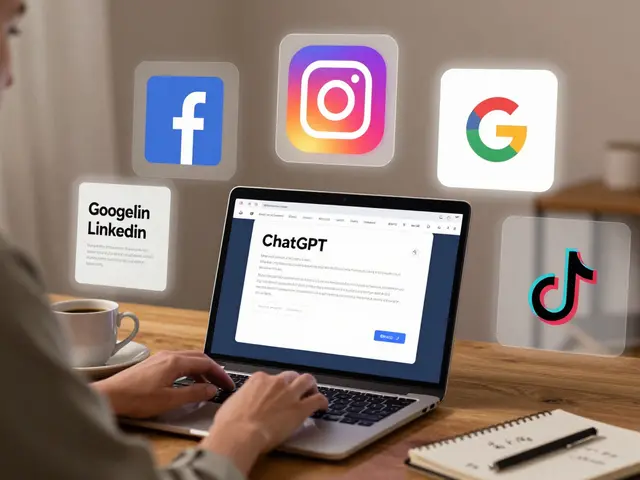

Think about the last time you bought something online. Maybe you saw an ad on Instagram, clicked a Google search result, got an email with a discount, or watched a short video on TikTok that convinced you to try a new product. That’s not luck. That’s digital marketing at work. Every single business today - from a local bakery in Brisbane to a global tech startup - relies on digital marketing to survive, grow, and stay relevant. It’s not just another tool. It’s the backbone of modern business success.
Why Digital Marketing Isn’t Optional Anymore
In 2026, over 70% of consumers start their buying journey with a search engine. That’s not a suggestion. That’s a fact backed by data from Statista and Google’s own consumer reports. If your business isn’t visible online, you’re invisible. No one finds you. No one talks about you. And no one buys from you.
Remember when businesses depended on billboards, TV ads, or flyers? Those still exist, but they’re like using a landline phone in a world full of smartphones. Digital marketing is the new normal because it’s measurable, scalable, and targeted. You don’t just shout into the void. You speak directly to the people who care.
The Four Pillars That Keep It All Standing
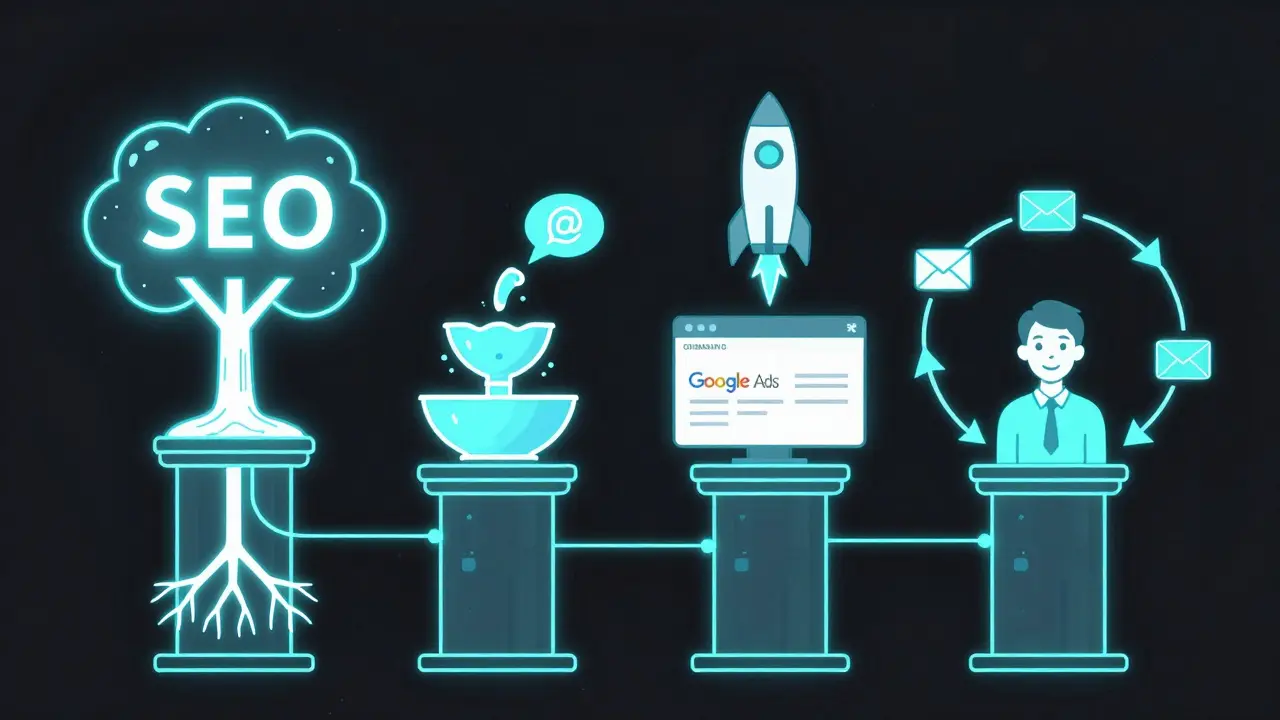
Digital marketing isn’t one thing. It’s a system built on four core pillars:
- Search Engine Optimization (SEO): This is how you get found when someone types a question into Google. It’s not about stuffing keywords. It’s about answering real questions better than anyone else. A local plumber in Brisbane who ranks #1 for “emergency pipe repair near me” gets 80% of their new customers from SEO alone.
- Content Marketing: People don’t want to be sold to. They want to be helped. Blog posts, how-to videos, downloadable guides - these build trust over time. A skincare brand in Melbourne grew its email list by 300% in six months by offering free skin analysis tools instead of pushing products.
- Social Media Marketing: Facebook, Instagram, LinkedIn, TikTok - these aren’t just for sharing memes. They’re customer service channels, sales funnels, and brand-building platforms. A small coffee shop in Surfers Paradise used TikTok reels to show behind-the-scenes barista work. Within three months, they had a 40% increase in foot traffic.
- Pay-Per-Click (PPC) Advertising: Google Ads and Meta Ads let you put your message in front of the right person at the right time. You only pay when someone clicks. That’s the beauty of it. A Sydney-based SaaS company spent $5,000 on Google Ads and generated $120,000 in sales within 30 days.
These four pillars don’t work in isolation. They feed each other. A blog post (content) gets shared on social media (social), which drives traffic to your website (SEO), and you retarget those visitors with ads (PPC). It’s a cycle - and when it’s working, it’s unstoppable.
How Digital Marketing Drives Real Business Results
Let’s cut through the fluff. What does digital marketing actually do for a business?
- It lowers customer acquisition costs. Traditional advertising can cost $50 to reach 1,000 people. A well-targeted Facebook ad costs $2.50 for the same reach.
- It builds loyalty. Email newsletters with personalized offers have a 3x higher open rate than generic blasts. People feel seen.
- It gives you real-time feedback. You can see which ad is working, which page is dropping visitors, and which product is trending - all within hours. No waiting for quarterly reports.
- It scales effortlessly. A one-person team can reach millions. A global brand can fine-tune messaging for each city, language, or culture.
Take the example of a small Australian furniture maker. Five years ago, they sold only to local customers. Today, they ship nationwide thanks to Instagram ads targeting people who’ve liked home decor pages. Their revenue jumped from $180,000 to $1.2 million in three years. No physical store expansion. No loan. Just smart digital marketing.
What Happens When You Ignore It
Businesses that treat digital marketing as an afterthought don’t just fall behind - they disappear.
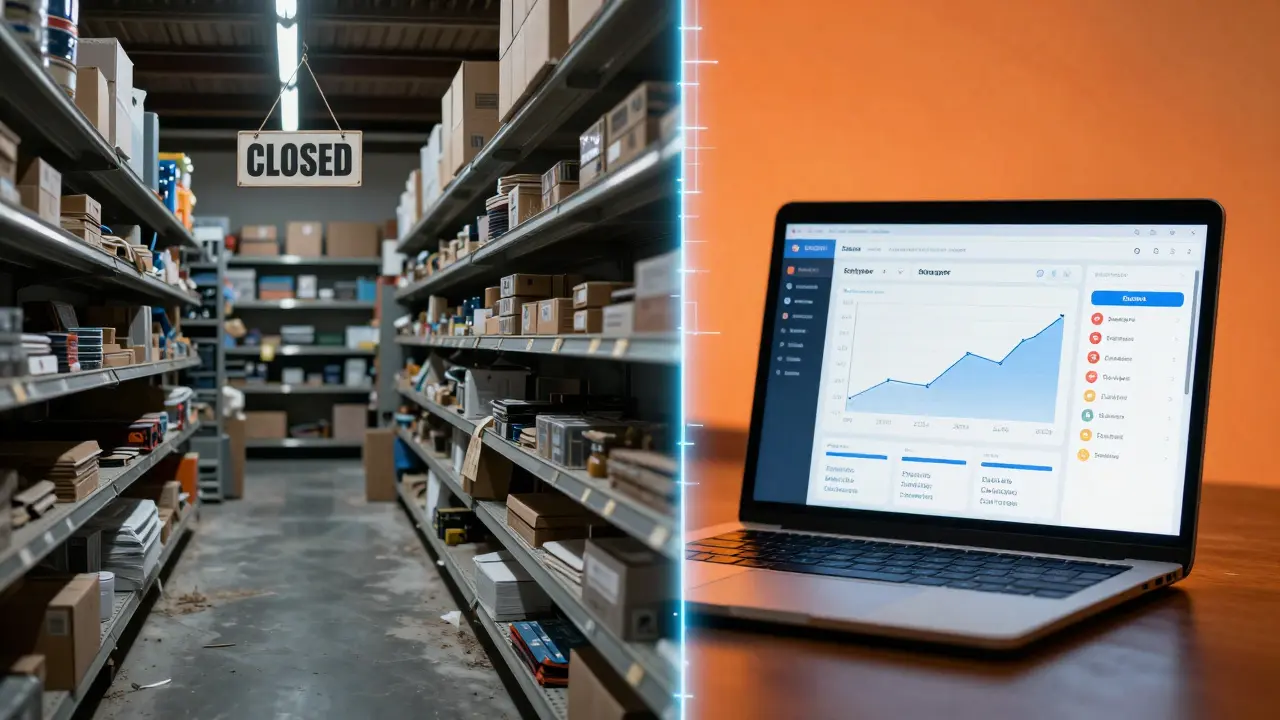
Remember that hardware store in Redcliffe that had been around since 1982? They had loyal customers, great products, and a solid reputation. But they never built a website. Never used social media. Didn’t run Google Ads. When Amazon started delivering tools faster and cheaper, their customers didn’t even know they existed. They closed in 2025.
This isn’t rare. According to a 2025 study by the Australian Small Business Association, 68% of businesses that didn’t invest in digital marketing in 2023 were out of operation by 2026. The ones that survived? They started small - one Instagram post a week, one blog post a month, one Google ad with a $10 budget. They didn’t need to be perfect. They just needed to be present.
Where to Start - No Matter Your Budget
You don’t need a big team or a huge budget to start. Here’s how to begin today:
- Claim your Google Business Profile. It’s free. It shows up when people search for your business nearby. Update your hours, photos, and contact info. This alone can double local inquiries.
- Post one piece of valuable content per week. It could be a 60-second video answering a common customer question. Or a short blog post explaining how to fix a problem your product solves.
- Run one small ad campaign. Try $5 a day on Facebook or Google for two weeks. Target people in your city who match your ideal customer. Track clicks and conversions. Learn what works.
- Respond to every comment and message. People don’t just want to buy from you. They want to feel heard. Reply within 24 hours. It builds trust faster than any ad.
You don’t need to do everything at once. You just need to start. Consistency beats perfection every time.
The Future Isn’t Just Digital - It’s Personal
AI is changing digital marketing. Chatbots answer questions 24/7. Algorithms predict what you’ll buy before you know you want it. But here’s the truth: people still buy from people.
The most successful brands in 2026 aren’t the ones with the fanciest tech. They’re the ones who use tech to connect more deeply. A bakery in Noosa sends handwritten thank-you notes with every online order. A fitness coach in Gold Coast films weekly Q&A videos answering real questions from her clients. These aren’t big budgets. They’re human moments - made possible by digital tools.
Digital marketing isn’t about robots. It’s about relationships. It’s about showing up, being helpful, and staying consistent. The tools change. The platforms evolve. But the core hasn’t: people trust people who care.
Final Thought: Your Business Is Already in the Digital World
You can’t opt out. Even if you don’t have a website, your customers are talking about you online. Reviews are being written. Questions are being asked. Competitors are running ads targeting your audience.
The question isn’t whether you should do digital marketing. It’s whether you’re ready to do it well. Because the businesses that win in 2026 aren’t the ones with the most money. They’re the ones who show up - every day - with something real to offer.
Is digital marketing only for big companies?
No. Digital marketing levels the playing field. A single mom running an Etsy shop can reach customers across Australia using Instagram ads for under $10 a day. Small businesses often outperform big ones because they’re more agile, more personal, and more responsive. You don’t need a big team - just consistency and clarity.
How long does it take to see results from digital marketing?
It depends on what you’re doing. Paid ads can bring in leads in days. SEO takes 3-6 months to show real traction because search engines need time to trust your site. Content marketing builds momentum over time - think of it like planting seeds. Most businesses see noticeable results between 60 and 90 days if they’re consistent. Don’t quit before the first harvest.
Do I need to be on every social media platform?
Absolutely not. Trying to be everywhere is a recipe for burnout. Focus on one or two platforms where your customers actually are. If you sell tools, LinkedIn and YouTube might work best. If you sell fashion, Instagram and TikTok are your friends. Look at where your competitors are getting engagement - then pick one to master before adding more.
What’s the biggest mistake businesses make with digital marketing?
Waiting until they’re desperate. Too many businesses only start digital marketing when sales are dropping. That’s like putting out a fire with a water bottle. The best results come from building your presence before you need it. Start now - even if it’s just one post a week. Consistency builds trust, and trust builds sales.
Can I do digital marketing myself, or do I need to hire someone?
You can absolutely start on your own. Many tools are free or low-cost: Canva for graphics, Google Analytics for tracking, Buffer for scheduling posts. Learn the basics - it only takes a few hours. If you’re overwhelmed or need to scale quickly, then hire help. But don’t outsource your voice. You know your business better than anyone. Use freelancers for execution, not strategy.