

Remember when writing a tweet felt like solving a puzzle? You had exactly 280 characters to make someone stop scrolling, laugh, or click. It was exhausting. Now, ChatGPT is doing the heavy lifting. But here is the catch: if you just copy-paste generic AI text into your Twitter feed, you will look like every other bot out there. The real shift isn't about replacing humans; it's about amplifying them.
In 2026, the landscape of digital marketing has changed. Platforms like X (formerly Twitter) prioritize engagement velocity and authentic voice over polished corporate speak. Using OpenAI’s large language model effectively means treating it as a junior copywriter who needs clear direction, not a magic button. Let’s break down how to actually use this tool without losing your brand’s soul.
Why ChatGPT Changes the Game for Twitter
The core problem with manual social media management is context switching. You are coding, emailing, and then suddenly need to write a witty thread about industry news. This friction kills consistency. ChatGPT removes that friction by generating drafts in seconds. However, the value doesn't come from speed alone; it comes from variety. A human might write one version of a post. An AI can generate ten distinct angles-from humorous to data-driven-in the time it takes you to sip coffee.
Consider the entity relationship: ChatGPT enables high-volume content experimentation. On Twitter, where algorithmic feeds favor fresh interactions, having more options allows you to A/B test hooks instantly. If one angle flops, you have nine others ready to go. This volume-to-quality ratio is the true paradigm shift.
| Metric | Traditional Method | ChatGPT-Assisted |
|---|---|---|
| Time per Tweet Draft | 5-15 minutes | 30 seconds - 2 minutes |
| Voice Consistency | High (but fatigued) | Variable (requires tuning) |
| Idea Generation Speed | Slow (depends on inspiration) | Instant (on demand) |
| Error Rate (Facts) | Low (if verified) | Medium (hallucinations possible) |
Crafting Prompts That Actually Work
The biggest mistake marketers make is asking vague questions like “Write a tweet about our new product.” The result? Bland, robotic text that no one wants to read. To get value from ChatGPT, you must provide context. Think of the prompt as a brief for a freelancer.
Here is a framework I use, which relies on specific attributes:
- Role: Define who the AI is acting as (e.g., “You are a sarcastic tech journalist”).
- Audience: Specify who is reading (e.g., “SaaS founders tired of jargon”).
- Goal: What action do you want? (e.g., “Get clicks to a blog post”).
- Tone: Set the vibe (e.g., “Conversational, punchy, under 200 characters”).
For example, instead of “Write a tweet,” try: “Act as a growth hacker. Write three variations of a tweet announcing our 20% discount. Use emojis sparingly. Keep it under 150 characters. Make it sound urgent but not spammy.” This specificity forces the model to constrain its output, leading to higher quality results that require minimal editing.
Maintaining Human Authenticity
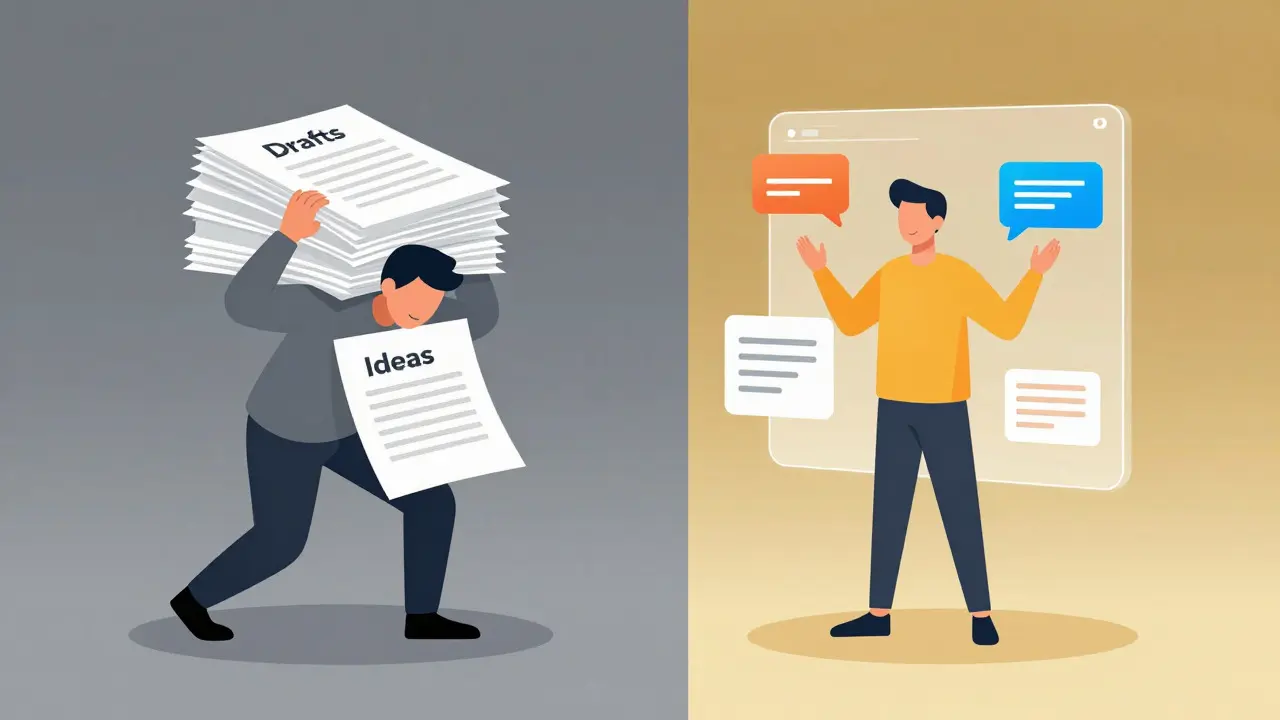
There is a risk of sounding sterile. ChatGPT tends to overuse certain phrases like “delve,” “landscape,” or “unlock.” These are red flags for savvy Twitter users. Your job is to inject personality. After the AI generates a draft, read it aloud. If it sounds like something you wouldn’t say to a friend at a pub in Manchester, rewrite it.
One effective technique is the “Human-in-the-Loop” edit. Use the AI for structure and hook ideas, but add your own anecdotes, slang, or current cultural references. For instance, if the AI writes, “Our software improves efficiency,” change it to, “Stop wasting hours on spreadsheets. Our tool does the math so you can leave work on time.” The latter feels real because it addresses a specific pain point with emotional resonance.
Thread Creation: The Deep Dive Strategy
Twitter threads are powerful for storytelling and SEO. They keep users on your profile longer, signaling value to the algorithm. Creating a 10-part thread manually can take an hour. With ChatGPT, it takes five minutes.
Start by feeding the AI an outline or a blog post URL. Ask it to summarize key points into bite-sized tweets. Then, instruct it to add transitions between tweets to maintain flow. Remember to verify facts. While ChatGPT is great at synthesis, it can occasionally misinterpret data. Always double-check statistics before posting. A wrong number in a thread can damage credibility faster than a typo.
Handling Crisis and Real-Time Engagement
Social media moves fast. When a trend breaks or a customer complaint goes viral, you need a response quickly. ChatGPT can help draft empathetic responses or neutral statements during crises. However, caution is key. In high-stakes situations, avoid letting AI finalize the tone. Use it to brainstorm options, then choose the most measured response. Never automate apologies; they must feel genuine.
Also, be aware of platform rules. Twitter’s API policies have evolved. Ensure any automation tools you pair with AI-generated content comply with current guidelines to avoid shadowbans. The goal is augmentation, not replacement.
Measuring Success Beyond Likes
How do you know if your AI strategy works? Don’t just look at likes. Track engagement rate, link clicks, and follower growth over time. Compare periods where you used AI-assisted posts versus fully manual ones. You might find that AI helps with volume, but your best-performing posts still come from personal insights. Balance is crucial. Use data to refine your prompts, not just to validate vanity metrics.
Does ChatGPT replace the need for a social media manager?
No. ChatGPT is a tool, not a strategist. It lacks the nuance to understand brand voice deeply or react to subtle cultural shifts. A human manager is still needed to curate, edit, and approve content, ensuring it aligns with business goals and maintains authenticity.
Can ChatGPT detect trending topics on Twitter?
Not directly. ChatGPT’s training data has a cutoff date. To leverage trends, you need to input current trending hashtags or news stories into the prompt. It can then help you craft relevant commentary around those live topics, but it cannot browse the live web without external plugins.
Is it ethical to use AI for Twitter marketing?
Yes, as long as you disclose it if required and ensure human oversight. Transparency builds trust. The unethical approach is posting unverified AI hallucinations as fact or completely automating interactions without human review, leading to poor user experiences.
How do I avoid sounding robotic on Twitter with AI?
Edit aggressively. Remove common AI filler words. Add personal anecdotes, humor, or specific industry jargon that only insiders would use. Read the draft aloud; if it sounds stiff, rewrite it until it matches your natural speaking style.
What are the best prompt structures for Twitter threads?
Provide a clear outline with a hook, body points, and a call-to-action. Specify the number of tweets and character limits per tweet. Ask for varied sentence structures and engaging transitions. Example: “Create a 7-tweet thread explaining [topic]. Tweet 1 must be a strong hook. Tweets 2-6 should explain key benefits. Tweet 7 should ask a question to drive replies.”