

Search engines have changed. The days of stuffing keywords into thin paragraphs and hoping for the best are gone. Today, Google wants depth, context, and genuine usefulness. This is where ChatGPT becomes a game-changer for your SEO strategy. It’s not just about generating text; it’s about leveraging artificial intelligence to understand user intent, structure data logically, and create content that answers real questions.
If you are looking to master SEO strategies with the power of ChatGPT, you need to move beyond basic prompts. You need a system. This guide will show you how to integrate this tool into every stage of your workflow, from initial keyword research to final on-page optimization, ensuring your content ranks well and actually helps your readers.
The New Reality of Search Intent
To use ChatGPT effectively for SEO, you first need to understand what search engines are looking for in 2026. Google’s algorithms now prioritize "Helpful Content" and "Experience, Expertise, Authoritativeness, and Trustworthiness" (E-E-A-T). A robot can write words, but it cannot replicate human experience without specific guidance.
This means your role shifts from writer to editor and strategist. You provide the context, the nuance, and the factual accuracy. ChatGPT provides the structure, the variations, and the speed. When you combine human insight with AI efficiency, you create content that satisfies both the algorithm and the user.
Think of it this way: if someone asks "how to fix a leaky faucet," they don’t want a poetic description of water. They want steps, tools needed, and common pitfalls. ChatGPT can generate these lists instantly, but only if you prompt it to focus on practical utility rather than general information.
Keyword Research and Semantic Clusters
Traditional keyword research often feels like digging through sand for gold. You find one main term, but miss the dozens of related queries users actually type. This is where semantic SEO comes in. Instead of targeting single keywords, you target topics and concepts.
You can use ChatGPT to expand your keyword list into full semantic clusters. Here is how:
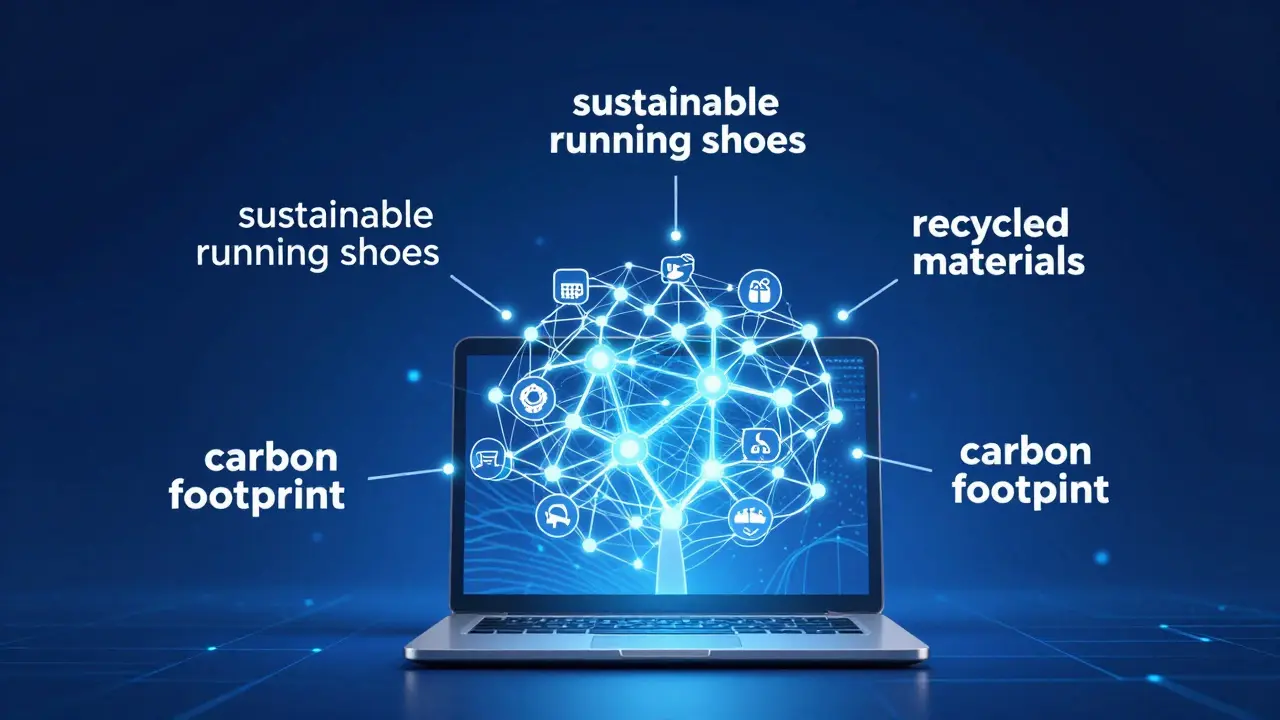
- Identify the Core Topic: Start with your primary keyword, such as "sustainable running shoes."
- Ask for Related Entities: Prompt the AI to list related entities, such as "recycled materials," "carbon footprint," "durability tests," and "brand comparisons."
- Generate Question-Based Keywords: Ask for common questions users ask about this topic, like "Are sustainable shoes less durable?" or "Which brands offer recycled soles?"
- Map Long-Tail Variations: Request long-tail phrases that indicate high purchase intent, such as "best eco-friendly running shoes for flat feet."
This approach builds a comprehensive map of the topic. When you write your article, you naturally include these terms, signaling to search engines that your page covers the subject thoroughly. This is far more effective than repeating the same phrase ten times.
Creating High-Quality Content Outlines
A strong outline is the backbone of any ranking article. Without structure, even great writing fails to engage readers or satisfy search criteria. ChatGPT excels at organizing information logically.
Instead of asking for a generic outline, provide specific constraints. Tell the AI who the audience is, what their pain points are, and what the ultimate goal of the article is. For example, if you are writing for beginners, ask for simple language and step-by-step guides. If you are writing for experts, request technical details and advanced tips.
Here is a sample prompt structure:
"Create a detailed outline for an article about [Topic]. The target audience is [Audience Type]. Include sections for [Key Subtopics]. Ensure each section has three bullet points covering specific examples or data. Add a FAQ section at the end addressing common misconceptions."
This forces the AI to think critically about structure before writing a single sentence. The resulting outline serves as a roadmap, ensuring you cover all necessary angles without drifting off-topic.
Drafting Content with Human Oversight
Now comes the actual writing. You can use ChatGPT to draft sections, but never copy-paste directly into your website. Search engines are increasingly sophisticated at detecting low-effort AI-generated content. Your job is to add value.
Start by having the AI write a rough draft based on your outline. Then, edit heavily. Add personal anecdotes, recent case studies, or unique insights that only you possess. Check facts rigorously. AI models can hallucinate, meaning they might invent statistics or quotes that sound plausible but are false.
Focus on readability. Break up long paragraphs. Use short sentences. Insert subheadings frequently. These elements keep readers engaged, which lowers bounce rates-a positive signal for SEO. Remember, the goal is to help the human reader, not just please the bot.
On-Page Optimization and Meta Data
Once your content is written, you need to optimize it for click-through rates (CTR) and relevance. Title tags and meta descriptions are your first impression in search results. A boring title kills traffic before it starts.
Use ChatGPT to generate multiple variations of your title and meta description. Ask for options that include power words, numbers, or questions. For instance:
- Option 1:** "10 Proven Strategies to Boost Your SEO in 2026"
- Option 2:** "Why Your SEO Strategy Is Failing (And How to Fix It)"
- Option 3:** "The Ultimate Guide to Mastering SEO with AI Tools"
Test these variations. See which ones resonate with your audience. Also, ensure your headers (H1, H2, H3) contain relevant keywords naturally. Don’t force them. Readability should always come first.
Internal Linking and Site Structure
Internal linking tells search engines how your pages relate to each other. It distributes authority across your site and helps users discover more content. ChatGPT can analyze your existing content library and suggest internal linking opportunities.
Paste a list of your current blog post titles into the chat. Ask the AI to identify logical connections between them. For example, if you have an article about "Email Marketing" and another about "Lead Generation," the AI can suggest adding a link from the former to the latter with anchor text like "effective lead generation tactics."
This creates a web of interconnected content, making your site easier to crawl and more useful for visitors. It also boosts the SEO value of older posts by driving fresh traffic to them.

Technical SEO and Data Analysis
SEO isn’t just content. Technical aspects like page speed, mobile friendliness, and structured data matter immensely. While ChatGPT doesn’t directly audit your site, it can help you interpret data and write code snippets.
You can ask it to explain complex technical issues in plain English. For example, "What does a 'Core Web Vitals' error mean, and how do I fix it?" It can provide step-by-step troubleshooting guides. Additionally, it can generate JSON-LD schema markup for your articles, helping search engines understand the context of your content better.
| Task | Manual Approach | AI-Assisted Approach |
|---|---|---|
| Keyword Research | Time-consuming, limited volume | Rapid generation of semantic clusters |
| Content Drafting | Slow, prone to writer's block | Fast drafts requiring human editing |
| Meta Description Writing | Creative bottleneck | Multiple variations for A/B testing |
| Fact Checking | Highly accurate with effort | Risk of hallucinations; requires verification |
Avoiding Common Pitfalls
Using AI for SEO comes with risks. The biggest danger is creating generic, soulless content that adds no unique value. If your article reads like every other AI-generated piece, Google will ignore it.
To avoid this, inject personality. Use humor, opinion, or local references. Share failures, not just successes. These elements build trust and authority. Also, be transparent. If you use AI, disclose it. Honesty builds credibility with your audience.
Another pitfall is over-optimization. Stuffing keywords because the AI suggested them hurts readability. Always prioritize the human experience. If a sentence sounds awkward, rewrite it. If a section feels repetitive, cut it.
Measuring Success and Iterating
SEO is an ongoing process. You must measure results and adjust your strategy. Use analytics tools to track rankings, traffic, and engagement metrics. Identify which AI-assisted articles perform best and analyze why.
Did they rank higher because of better keyword coverage? Was the structure clearer? Use these insights to refine your prompts and workflows. Continuously improve your process. The goal is not just to rank today, but to build a sustainable content engine that grows over time.
Can ChatGPT replace an SEO specialist?
No. ChatGPT is a tool, not a replacement. It lacks human judgment, strategic thinking, and the ability to verify facts independently. An SEO specialist uses AI to enhance productivity, but the strategy, creativity, and quality control remain human responsibilities.
Will Google penalize AI-written content?
Google does not penalize AI content specifically. It penalizes low-quality, unhelpful content regardless of origin. If your AI-assisted articles provide genuine value, answer user questions, and demonstrate expertise, they will rank well. Focus on quality, not the source of the text.
How do I ensure my AI content is original?
Add unique insights, personal experiences, and specific data points that only you know. Edit the AI draft thoroughly to reflect your voice and style. Avoid generic statements. Originality comes from perspective and detail, not just word choice.
What are the best prompts for SEO keyword research?
Use prompts that ask for semantic clusters, question-based keywords, and long-tail variations. Example: "List 20 semantically related terms to [Keyword], including common user questions and purchase-intent phrases." This helps you cover the topic comprehensively.
Is it safe to use AI for technical SEO tasks?
It can be helpful for explanations and code snippets, but always verify technical changes manually. AI may suggest incorrect code or outdated practices. Use it as a learning aid, not an autonomous executor for critical site infrastructure.