
You scroll through your feed. A video stops you cold. It’s not because the lighting is perfect or the dance is flawless. It’s because the hook hit you right in the first second. You watched it twice. Then you scrolled on, wondering how that creator came up with such a sharp angle so quickly.
They didn’t guess. They used ChatGPT, an advanced large language model developed by OpenAI that generates human-like text based on prompts. In 2026, using AI isn't just a shortcut; it's the baseline for serious creators and brands on TikTok, a short-form video platform owned by ByteDance known for its algorithmic discovery engine.. The gap between those who use AI tools and those who don't is widening fast. If you’re still staring at a blank screen waiting for inspiration, you’re already behind.
The Real Job of AI on TikTok
Let’s clear up a myth first. ChatGPT doesn’t make the video. It doesn’t edit the clips, sync the music, or apply the filters. Its job is to handle the heavy lifting of ideation and structure. Think of it as your co-pilot who never sleeps and knows every trend ever documented.
Most creators spend hours brainstorming topics. They worry about whether an idea is "original" enough. With Generative AI, technology capable of creating new content, including text, images, and code, from existing data, you can generate ten solid concepts in thirty seconds. This shifts your energy from "what should I post?" to "how do I execute this best?" That shift changes everything.
Step-by-Step: Generating Viral-Worthy Scripts
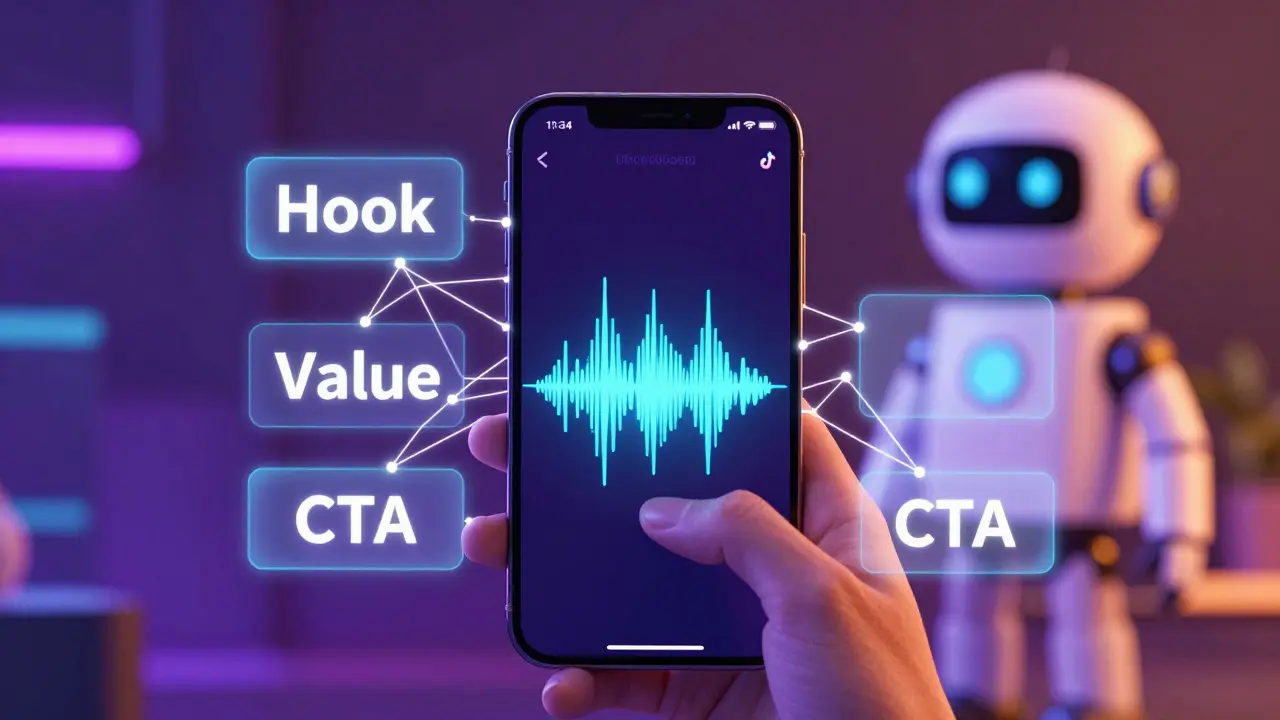
A good TikTok script needs three things: a hook, value, and a call to action (CTA). Most people fail at the hook. Here is how you get ChatGPT to write one that works.
- Define Your Niche Clearly: Don’t just say "I sell skincare." Say "I help busy moms deal with hormonal acne without expensive dermatologists." Specificity triggers better outputs.
- Prompt for Structure: Ask for a specific format. For example: "Write a 45-second TikTok script for [niche]. Include a controversial hook, 3 quick tips, and a question-based CTA."
- Add Tone Constraints: Specify if you want to sound like a friend, an expert, or a skeptic. "Write this in a conversational, slightly sarcastic tone" yields very different results than "professional and authoritative."
Here is a real-world prompt structure you can copy-paste:
"Act as a top-tier TikTok strategist. My target audience is small business owners struggling with cash flow. Create a script for a 60-second video. Start with a pattern-interrupt hook. Provide 3 actionable steps. End with a CTA asking them to comment 'CASH' for my free guide. Keep sentences short and punchy."
This method removes the guesswork. You get a structured draft instantly. You then tweak it to sound like you. That human touch is crucial-AI provides the skeleton; you provide the voice.
Beyond Scripts: Hashtags and SEO Optimization
TikTok is now a search engine. People type questions into the search bar just like they do on Google. This means your captions and hashtags matter more than ever. Search Engine Optimization (SEO), the practice of optimizing content to rank higher in search engine results pages on TikTok relies heavily on keywords found in your spoken audio, on-screen text, and caption.
ChatGPT excels at keyword clustering. Instead of guessing which tags to use, ask the AI to analyze trending topics in your niche. Prompt it like this: "List 15 high-volume, low-competition keywords related to [topic] for TikTok SEO in 2026." Then, ask it to group these into sets of three relevant hashtags per video concept.
This approach ensures you aren't just throwing generic tags like #fyp or #viral into the void. You are targeting specific search intent. When someone searches "how to fix leaky faucet," and your video title matches that phrase exactly, you show up. AI helps you find those phrases before your competitors do.
| Task | Traditional Method | AI-Assisted Method |
|---|---|---|
| Ideation | Hours of brainstorming, often leading to writer's block | Minutes to generate 20+ unique angles |
| Scriptwriting | Writing full drafts from scratch | Refining AI-generated outlines for tone and clarity |
| Hashtag Research | Guessing based on current trends | Data-driven keyword clustering and categorization |
| Content Repurposing | Manually rewriting blog posts into scripts | Instant conversion of long-form content into short hooks |
Repurposing Content Without Losing Soul
If you have a blog, a newsletter, or even old YouTube videos, you have a goldmine. The hardest part of repurposing is condensing complex ideas into bite-sized chunks without losing the core message. This is where Content Repurposing, the strategy of adapting existing content for different platforms or formats to maximize reach shines.
Paste a 1,000-word blog post into ChatGPT. Ask it to extract the three most surprising facts. Then, ask it to turn each fact into a separate 30-second script. Suddenly, one piece of long-form content becomes three TikToks. This isn't lazy; it's efficient. It allows you to maintain a consistent posting schedule, which is vital for algorithmic favor.
However, be careful. AI tends to be overly formal. After generating the script, read it aloud. If you stumble over words, simplify them. Replace jargon with slang if it fits your brand. The goal is authenticity, not perfection.
Avoiding the "Robotic" Trap
The biggest risk of using AI is sounding like everyone else. Since many creators use similar prompts, there is a danger of homogenization. To avoid this, you must inject personality manually.
Use the "Iterative Refinement" technique. Generate a script. Then, tell ChatGPT: "Make this funnier," or "Add a personal anecdote about failing at this task." Or better yet, do it yourself. Add a joke only you would make. Reference a local event in Brisbane. Mention a specific mistake you made last week. These details cannot be faked by AI, and they build trust with your audience.
Also, vary your visual style. AI writes the words, but your camera work, editing pace, and facial expressions deliver the emotion. Don't let the script dictate your performance; let it support it.
Strategic Planning and Batch Creation
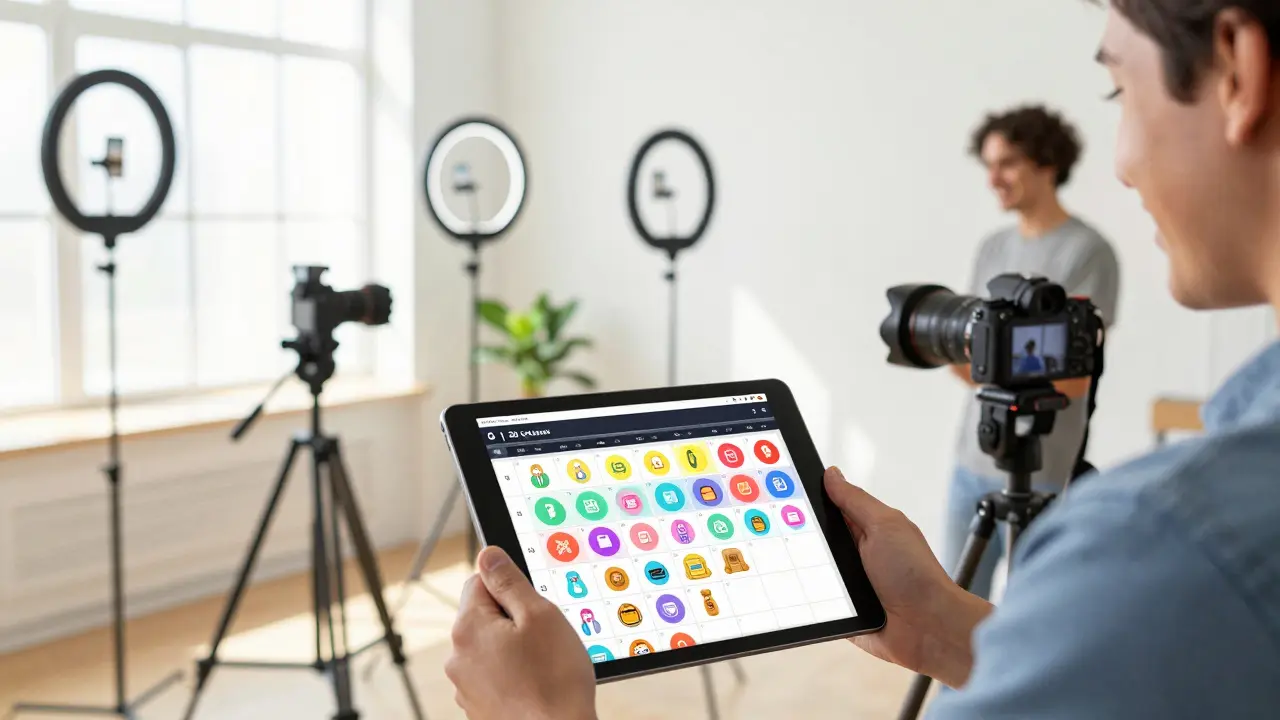
Consistency beats intensity. Posting once a day for a month is better than posting ten times in one day and then disappearing for two weeks. ChatGPT helps you plan ahead. Ask it to create a "30-Day Content Calendar" based on your niche. Provide it with your main pillars (e.g., Education, Entertainment, Product Showcase) and let it distribute them evenly.
Once you have the calendar, batch create. Spend Saturday morning filming five videos. Edit them Sunday. Schedule them for the week. This reduces decision fatigue and keeps your account active even when you're busy. The AI handles the strategy; you handle the execution.
Ethical Considerations and Transparency
Should you disclose that you used AI? In 2026, transparency is becoming a competitive advantage. Audiences appreciate honesty. If you used AI to research facts, mention it. "I asked an AI to summarize this study, and here’s what I found..." builds credibility. However, never claim AI-generated opinions as your own deep philosophical insights. Viewers connect with humans, not algorithms. Keep the human element front and center.
Does using ChatGPT hurt my engagement on TikTok?
No, not if you edit the output. Raw AI text can feel sterile, but when you adapt it to your voice and style, it performs just as well as manually written scripts. The key is adding personal anecdotes and natural speech patterns.
Can ChatGPT predict viral trends?
Not directly. ChatGPT doesn't have real-time access to live TikTok feeds unless connected via plugins. However, it can analyze past trends and suggest evergreen angles that are likely to perform well based on historical data patterns.
Is it okay to use AI for all my TikTok captions?
Yes, especially for SEO purposes. AI is excellent at inserting relevant keywords naturally. Just ensure the tone matches your brand voice. Avoid generic closings like "Thanks for watching!" and replace them with engaging questions.
How do I prevent my AI content from sounding robotic?
Read the script aloud before recording. If you wouldn't say it in a conversation, change it. Use contractions, slang, and sentence fragments. Ask ChatGPT to "rewrite this to sound more casual and conversational" if needed.
What is the best ChatGPT model for TikTok marketing in 2026?
The latest GPT-4o models offer the best balance of speed, creativity, and contextual understanding. They handle nuanced instructions better than older versions, allowing for more precise tone control and cultural relevance in scripts.
Latest Posts
Digital Marketing: The New Norm for Businesses
24/Feb/2026

Redefining the Twitter Experience with ChatGPT
15/Oct/2023