
Think about the last time you played a mobile game. Maybe you were racing cars, building a city, or fighting zombies. Now think-did you see a billboard in the game that looked exactly like the one on your way to work? Or did a character suddenly pull out a soda can with a familiar logo? That’s not a coincidence. That’s in-game ads-and they’re changing how brands reach people.
Forget banner ads that people skip. Forget pop-ups that annoy. In-game ads are hidden in plain sight. They’re part of the experience. And they’re working. According to data from Newzoo, the global in-game advertising market hit $11.2 billion in 2025, up from just $3.1 billion in 2020. That’s a 260% jump in five years. More than 70% of gamers aged 18-34 say they don’t mind ads if they’re natural to the game. That’s the key: natural.
Why In-Game Ads Work When Other Ads Don’t
Most digital ads are interruptions. You’re scrolling, and suddenly-boom-a 15-second video starts playing. You didn’t ask for it. You didn’t want it. You click away. In-game ads are different. They’re embedded. They’re context-aware. A racing game doesn’t just show a billboard for a car brand-it shows the exact model you’re driving. A simulation game about running a coffee shop? You see real-world coffee brands on the shelves. Players don’t feel sold to. They feel immersed.
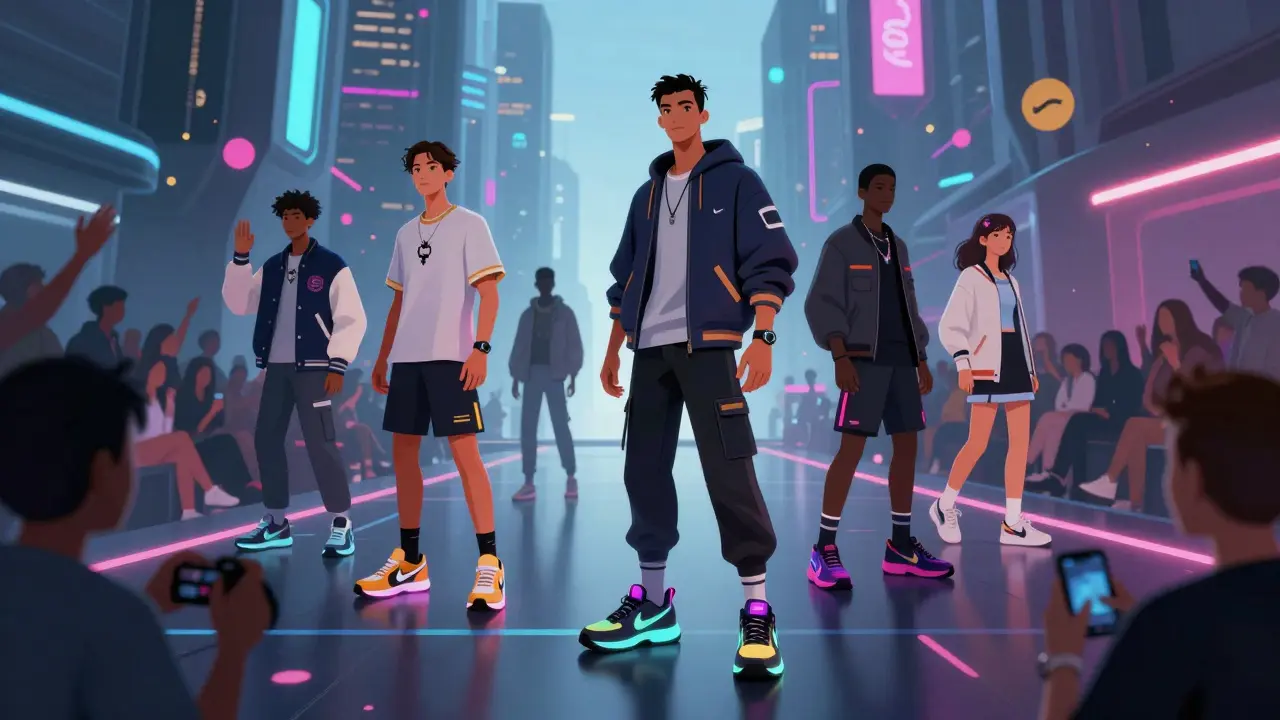
Take Fortnite. In 2023, Nike partnered with Epic Games to launch a virtual sneaker collection. Players could buy digital Air Jordans and wear them in-game. The campaign didn’t just sell shoes-it sold identity. Over 1.5 million players bought the virtual items. That’s not just advertising. That’s cultural influence.
Why does this matter to businesses? Because gamers spend an average of 7.5 hours a week playing. That’s more time than most people spend watching TV. And unlike TV viewers who fast-forward through commercials, gamers don’t skip. They can’t. The ad is part of the world they’re in.
Types of In-Game Ads You’ll Actually See
Not all in-game ads are the same. There are five main types, each with different strengths:
- Static billboards-These are the classic ads you see on walls, roads, or stadiums in racing or sports games. They’re cheap to place and great for brand awareness.
- Dynamic billboards-These change based on location, time, or player behavior. A game played in Sydney might show a local coffee chain, while the same game in Tokyo shows a different brand. This is hyper-local targeting at scale.
- Product placement-Brands become part of the game’s environment. Think Coca-Cola cans in a zombie survival game or Red Bull energy drinks in a racing sim. Players interact with them naturally.
- Branded content-This is deeper. A game might be built around a brand. Like the McDonald’s Happy Meal app game, where the whole experience is themed around the product. These aren’t ads-they’re mini-experiences.
- Playable ads-These are short, interactive ads that let players try a game or product before committing. A car company might let you test-drive a virtual model for 90 seconds. You’re not just watching-you’re doing.
Each type serves a different goal. Static billboards build recognition. Playable ads drive action. Branded content builds loyalty.
Who’s Winning With In-Game Ads?
You don’t need a billion-dollar budget to make this work. Smaller brands are seeing huge returns.
Consider Stellaris, a space strategy game. A small Australian craft beer company, Four Pines, placed its logo on a space station in a modded version of the game. The mod went viral in gaming forums. Within three weeks, the brewery’s online sales jumped 40%. No TV ad. No influencer. Just a logo in a game.
Another example: Unilever placed its Dove soap in a mobile dating sim. The game’s characters used Dove body wash after showers. The campaign ran for six weeks. Unilever reported a 22% increase in brand recall among players aged 16-24-higher than any TikTok campaign they ran that year.
Even local businesses are getting in. A gym in Brisbane started placing its logo in fitness-themed mobile games. Within two months, they saw a 30% spike in app-based sign-ups from players who recognized the brand in-game. The gym didn’t run a single Facebook ad.
How Brands Build Real In-Game Campaigns
Getting your ad into a game isn’t as simple as sending an email. Here’s how it actually works:
- Choose the right game-Not every game fits every brand. A luxury watch brand won’t do well in a cartoonish kids’ game. Look for games with similar audiences. A fitness app? Target workout simulators. A fintech app? Try strategy games where players manage resources.
- Work with the right platform-Platforms like AdColony, InMobi, and Unity Ads connect brands with game developers. They handle placement, tracking, and optimization. You don’t need to contact each developer individually.
- Design for immersion-If your ad looks like an ad, it’ll be ignored. A real Coca-Cola can doesn’t have a giant logo screaming "BUY ME." It has subtle branding. Your ad should feel like it belongs.
- Track performance-Use unique promo codes, UTM tags, or in-game QR codes. Measure how many players clicked, visited your site, or made a purchase after seeing the ad. Most platforms give you real-time dashboards.
- Test and iterate-Try different placements. Rotate ads. See what sticks. One brand tested two versions of a billboard in a racing game-one with a discount code, one without. The discount version doubled conversions.
The Dark Side: When In-Game Ads Go Wrong
It’s not all smooth sailing. Poorly placed ads can backfire.
In 2024, a fast-food chain tried placing ads in a horror game. Players found the ads jarring-eating burgers while fighting monsters felt off-brand. The backlash went viral on Reddit. The campaign was pulled within 72 hours.
Another problem? Over-saturation. If every racing game has the same three car brands on every track, players tune out. That’s why dynamic ads are growing so fast. They let brands rotate based on player behavior, location, and even time of day.
Also, don’t ignore player privacy. Some games collect data on how players interact with ads. If that data is misused, trust breaks. Brands must be transparent. Clear disclosure-"This ad is sponsored by X"-isn’t optional anymore.
What’s Next? The Future of In-Game Advertising
The next big shift? AI-driven personalization. Imagine a game where your character’s outfit changes based on your real-world shopping habits. Or a puzzle game that adjusts its background ads based on your past purchases. It’s not sci-fi-it’s already being tested.
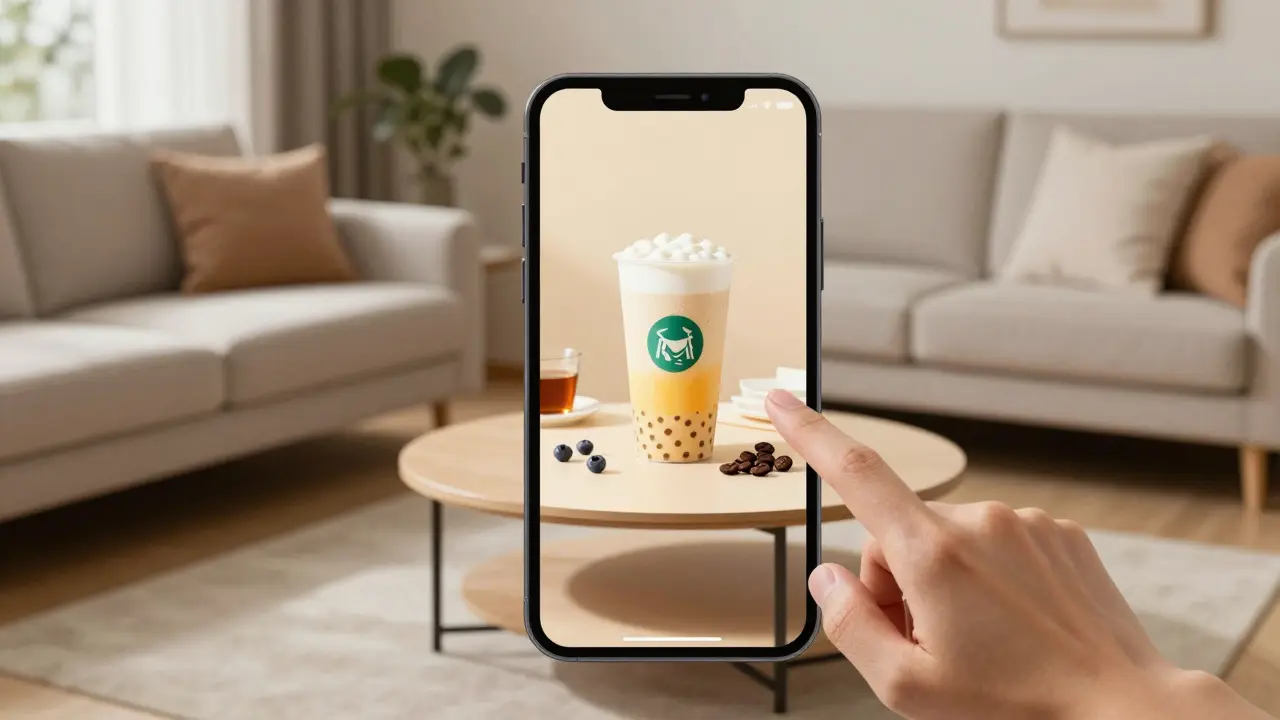
Augmented reality (AR) is another frontier. A game like Pokémon Go already does this. Brands sponsor real-world locations. In 2025, we’ll see AR ads that appear in your living room through your phone while you play. Your coffee table becomes a billboard. Your couch, a product demo zone.
And then there’s blockchain. Some games now let players earn real money by viewing ads. A player watches a 30-second ad, gets a digital token, and cashes it out for gift cards. It turns passive viewing into active earning. It’s a win-win: players get rewarded. Brands get attention.
Should Your Business Try In-Game Ads?
If you’re targeting Gen Z, millennials, or casual gamers-yes. If you’re trying to reach people over 50 who don’t play games? Maybe not yet. But that’s changing fast. The average gamer is now 35 years old. Half of all gamers are women. Gaming isn’t a niche anymore. It’s mainstream.
Start small. Pick one mobile game with a tight audience. Use a platform like Unity Ads. Run a test for two weeks. Track clicks, conversions, and brand recall. If it works, scale. If it doesn’t, pivot. The cost? Often less than $500 to run a basic campaign.
Brands that treat in-game ads like traditional media are already falling behind. The winners are the ones who treat games as worlds-not billboards.
Latest Posts