
Most small business owners think internet marketing is just posting on Facebook or buying a few Google Ads. It’s not. It’s the engine that turns strangers into customers without you having to knock on every door in your city. If you’re running a local shop, a freelance service, or an online store, getting this right can double your revenue within a year. But only if you stop guessing and start measuring.
Why Traditional Methods Are Failing You
Let’s be honest: flyers, billboards, and radio ads are expensive and hard to track. You spend $500 on a flyer drop, but how many people actually picked one up? How many called? You don’t know. Internet marketing changes the game by giving you data. Every click, view, and purchase is recorded. This means you can see exactly which channels bring you money and which ones waste your budget.
For a small business with limited cash flow, this transparency is huge. You can start with $100 a month and scale up only when you see results. That flexibility is something traditional advertising simply doesn’t offer.
The Core Channels That Actually Work
You don’t need to be everywhere at once. In fact, spreading yourself too thin is the number one mistake small businesses make. Focus on two or three channels that match where your customers already are.
- Search Engine Optimization (SEO) is the process of improving your website to rank higher in search engines like Google. It’s free traffic that compounds over time. If you run a bakery in Perth, ranking for "best sourdough bread Perth" puts you in front of hungry locals every single day.
- Social Media Marketing is using platforms like Instagram, TikTok, or LinkedIn to build brand awareness and engage directly with customers. It’s not about selling; it’s about showing your personality. People buy from brands they feel they know.
- Email Marketing is sending targeted messages to a list of subscribers who have already shown interest in your products. It has the highest return on investment of any channel. One well-timed email can generate more sales than a week of paid ads.
Measuring Success: The Numbers That Matter
If you aren’t tracking these metrics, you’re flying blind. Here’s what you should look at weekly:
| Metric | What It Tells You | Target for Small Biz |
|---|---|---|
| Cost Per Acquisition (CPA) | How much you spend to get one customer | < 30% of average order value |
| Return on Ad Spend (ROAS) | Revenue generated per dollar spent on ads | > 4:1 ratio |
| Organic Traffic Growth | Whether your SEO efforts are working | 10-20% month-over-month |
| Email Open Rate | How relevant your content is to subscribers | > 25% |
Notice that we’re not looking at "likes" or "views." Those are vanity metrics. We care about money in the bank. If your ROAS is below 3:1, pause the ad and fix your landing page before spending another cent.

A Practical 90-Day Launch Plan
You don’t need a massive team to start. Here’s a realistic timeline for a solo owner or small team:
- Weeks 1-2: Audit & Setup. Check your current website speed and mobile responsiveness. Set up Google Analytics and Meta Pixel so you can track users. Create a simple email capture form.
- Weeks 3-6: Content Foundation. Write five blog posts targeting long-tail keywords (e.g., "how to clean leather shoes Perth" instead of just "shoe cleaning"). Post twice a week on your primary social channel. Start building your email list with a lead magnet, like a discount code or a free guide.
- Weeks 7-12: Paid Amplification. Once you have organic traction, put a small budget ($500-$1,000) behind your best-performing content. Run retargeting ads to people who visited your site but didn’t buy. Monitor CPA closely.
This approach minimizes risk. You’re using free methods first to validate demand, then paying to scale what already works.
Common Pitfalls to Avoid
Even with good intentions, small businesses often stumble. Watch out for these traps:
- Ignoring Mobile Users: Over 70% of internet searches happen on phones. If your site takes more than 3 seconds to load on mobile, you’re losing half your potential customers.
- Chasing Trends Blindly: Just because TikTok is viral doesn’t mean it’s right for your B2B consultancy. Stick to channels where your specific audience spends time.
- No Clear Call to Action: Every piece of content should tell the user what to do next. Buy, sign up, call, or visit. Don’t leave them guessing.
Local Advantage: Winning Your Neighborhood
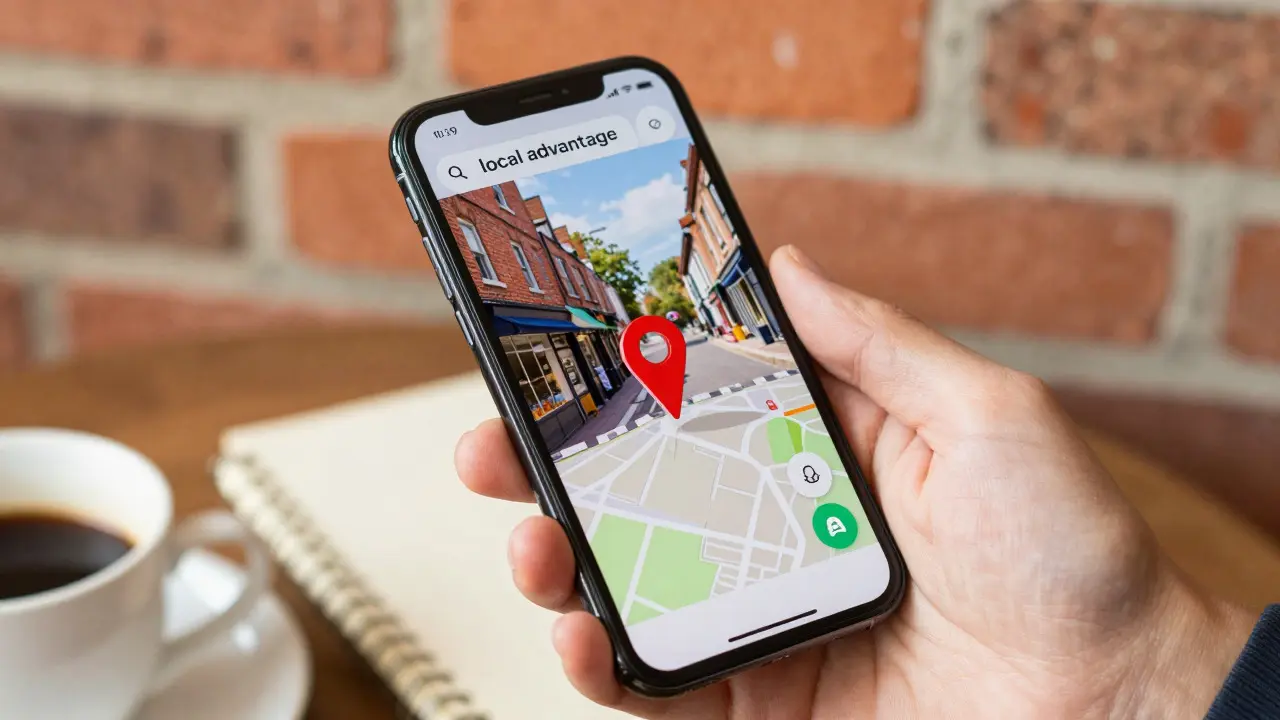
If you serve a physical location, local SEO is your superpower. Claim your Google Business Profile. Get reviews from happy customers. Use local keywords in your website copy. When someone searches "plumber near me," you want to be the one they see. This type of intent-based search converts at rates three times higher than generic web searches.
Also, consider partnering with local influencers or community groups. A shout-out from a trusted local voice carries more weight than any national ad campaign.
Frequently Asked Questions
How much does internet marketing cost for a small business?
It depends on your strategy. Organic methods like SEO and social media can start for free, requiring only your time. Paid advertising typically starts at $500-$1,000 per month for meaningful data. Many small businesses begin with a total budget of under $2,000 per month including tools and ads.
Which platform is best for beginners?
Start with Google Search and your primary social channel. Google captures high-intent buyers actively searching for solutions. For social, choose the platform where your ideal customer already hangs out-Instagram for visual products, LinkedIn for B2B services, or Facebook for local community engagement.
How long until I see results from SEO?
SEO is a long-term play. Expect to see initial movement in 3-4 months and significant traffic growth after 6-12 months. However, the compounding effect means that rankings achieved today will continue to drive traffic for years with minimal ongoing effort.
Do I need a website to do internet marketing?
Yes, almost always. Even if you sell through social media, you need a central hub for credibility, detailed product information, and email collection. A simple, fast-loading website is non-negotiable for serious online presence.
Can I do internet marketing myself or should I hire an agency?
You can definitely start yourself, especially with basic SEO and social media. Hiring an agency makes sense when you hit a plateau, need specialized skills like advanced PPC management, or if your time is better spent on core business operations. Start DIY, then outsource as you scale.
Latest Posts

How to Master Affiliate Marketing with ChatGPT
10/Dec/2023