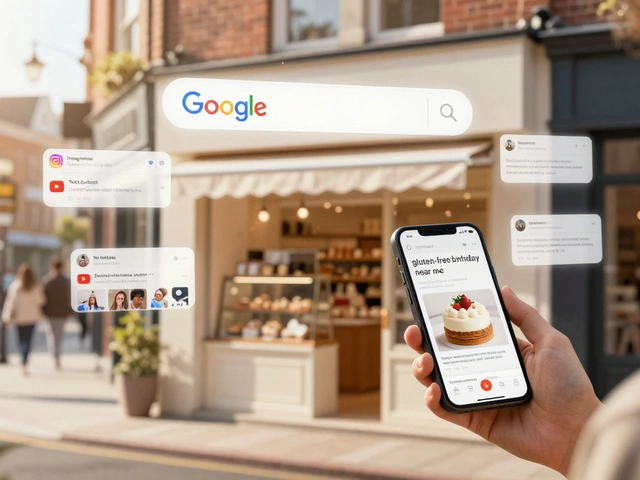

You have a great product. Maybe it’s a handmade candle, a SaaS tool, or a consulting service. But nobody knows it exists. That is the harsh reality for most new businesses. You can build the best thing in the world, but if you don’t know how to shout about it on the internet, you’re just whispering into the void.
Online marketing feels like a massive, scary beast. There are acronyms everywhere-SEO, PPC, CTR, ROI. It looks like you need a computer science degree and a marketing PhD just to post a picture on Instagram. The truth? It’s not that complicated. At its core, online marketing is just about connecting with people where they already spend their time: online.
This guide strips away the jargon. We will look at the actual mechanics of getting seen, getting clicked, and getting paid. No fluff, no buzzwords. Just the practical steps you need to take today to start building your audience.
The Foundation: Your Website Is Your Home Base
Before you spend a single dollar on ads or chase trends on TikTok, you need a place to send people. Think of your website as your physical storefront. If your storefront is dark, dirty, and confusing, customers won’t come in, even if you hand them out on the street corner.
A website is the central hub of your online presence, serving as the primary destination for traffic from all other channels.Your site needs to load fast. In 2026, users have zero patience. If your page takes more than three seconds to load, half your visitors are gone. They click back before they even see your logo. Use tools like Google PageSpeed Insights to check this. It’s free and tells you exactly what is slowing you down.
Next, make sure your site works on mobile. Most people browse on their phones. If your buttons are too small to tap or your text is tiny, you’re losing sales. This isn’t optional; it’s basic hygiene. Google prioritizes mobile-friendly sites in search results, so a bad mobile experience hurts your visibility everywhere.
Finally, have a clear call to action (CTA). What do you want the visitor to do? Buy something? Sign up for a newsletter? Contact you? Don’t make them guess. Put a big, obvious button that says "Get Started" or "Buy Now." Clarity converts better than cleverness.
Search Engine Optimization (SEO): Getting Found for Free
When someone has a problem, they usually type it into Google. If your business doesn’t show up, you don’t exist to them. Search Engine Optimization, or SEO, is the process of making your website visible to those searches without paying for ads.
| Component | What It Means | Actionable Step |
|---|---|---|
| Keyword Research | Finding words your customers use | Use free tools like Google Keyword Planner to find terms with high volume and low competition. |
| On-Page SEO | Optimizing individual pages | Include your target keyword in the title tag, headers, and first paragraph of your content. |
| Technical SEO | Backend site health | Ensure your site has an XML sitemap and robots.txt file so search engines can crawl it easily. |
| Link Building | Earning links from other sites | Create high-quality content that others naturally want to reference and link to. |
Start with keyword research. This means figuring out what questions your ideal customer asks. If you sell running shoes, don’t just target "running shoes." That’s too competitive. Try "best running shoes for flat feet" or "how to choose trail running shoes." These are long-tail keywords. They have less traffic, but the people searching for them are ready to buy or learn. They are qualified leads.
Content is king, but context is queen. Write helpful, detailed answers to those questions. Don’t write for robots; write for humans. Google’s algorithms are smart enough now to detect thin, keyword-stuffed garbage. They reward depth, accuracy, and user satisfaction. If a user clicks your link and leaves immediately (a high bounce rate), Google assumes your page wasn’t useful and drops your ranking.
Be patient. SEO is a marathon, not a sprint. It can take three to six months to see significant organic traffic. But once it kicks in, it’s free traffic that keeps coming day after day.
Social Media Marketing: Building Community, Not Just Followers
Social media gets a lot of hype. People think you need to be on every platform. You don’t. Pick one or two platforms where your audience actually hangs out.
If you sell B2B software, LinkedIn is your playground. If you sell visual products like fashion or food, Instagram and Pinterest are key. If you’re targeting Gen Z, TikTok is non-negotiable. Trying to be everywhere means you’ll end up being mediocre everywhere.
The goal of social media isn’t just to get likes. Likes are vanity metrics. The goal is engagement and community. Reply to comments. Ask questions in your captions. Run polls. Make people feel heard. Algorithms favor accounts that keep users on the platform longer, and conversation does that better than a broadcast-style post.
Consistency beats intensity. Posting once a week with high quality is better than posting seven times a day with junk. Create a content calendar. Plan your posts ahead of time. Mix up your content types: educational tips, behind-the-scenes looks, customer testimonials, and promotional offers. This variety keeps your feed interesting and prevents burnout.
Don’t ignore video. Short-form video reels and TikToks currently offer the highest organic reach. You don’t need a Hollywood camera. A smartphone and good lighting are enough. Show your personality. People buy from people, not faceless corporations.
Email Marketing: The Direct Line to Your Wallet
Social media algorithms change. Facebook might shadowban you. Twitter might rebrand again. But email? Email is yours. When someone gives you their email address, they are handing you a direct line to their inbox. No middleman, no algorithm hiding your message.
Email marketing still delivers the highest return on investment (ROI) of any channel. For every dollar spent, businesses often see $36 or more in return. Why? Because email allows for personalization at scale.
Start by building your list. Offer something valuable in exchange for an email address. This is called a lead magnet. It could be a free checklist, a discount code, or an exclusive ebook. Don’t just put a generic "Subscribe" box on your site. Tell them exactly what they get. "Join our newsletter" is weak. "Get our free guide to saving 10 hours a week" is strong.
Once you have emails, segment them. Don’t send the same blast to everyone. Group subscribers by interest, purchase history, or behavior. If someone bought running shoes, send them tips on shoe care, not yoga mats. Relevant emails get opened; irrelevant emails get deleted.
Write subject lines that intrigue. Avoid spammy words like "FREE" or "BUY NOW" in all caps. Keep it conversational. Test different subject lines to see what works. Open rates tell you if your hook is good; click-through rates tell you if your content is compelling.
Paid Advertising: Speeding Up Results
Organic growth takes time. Paid advertising buys you speed. Platforms like Google Ads, Facebook Ads, and LinkedIn Ads let you put your offer in front of specific people instantly.
Google Ads are intent-based. People are actively searching for solutions. If someone searches "plumber near me," they need help right now. Bidding on that keyword puts you at the top. It’s expensive per click, but the conversion rate is high because the intent is clear.
Social media ads are interest-based. You interrupt people while they scroll. You have to grab their attention quickly with visuals and copy. These ads are great for brand awareness and retargeting. Retargeting means showing ads to people who already visited your site but didn’t buy. They know you, so they are warmer leads.
Start small. Set a daily budget you can afford to lose while you learn. Track everything. Use UTM parameters to tag your links so you know exactly which ad brought which customer. If an ad isn’t working after a few days, kill it. Don’t throw good money after bad. Double down on what works.
Analytics: Data Doesn’t Lie
You can’t improve what you don’t measure. Guessing is a terrible strategy. You need data to know what’s working and what’s wasting your time.
Set up Google Analytics 4 (GA4) on your website. It tracks where your visitors come from, what pages they view, and how long they stay. Look at these key metrics:
- Traffic Sources: Are people finding you via search, social, or direct visits?
- Bounce Rate: Are people leaving immediately? If yes, your landing page might be confusing or slow.
- Conversion Rate: What percentage of visitors take the desired action? Industry averages vary, but anything under 2% usually needs optimization.
- Customer Acquisition Cost (CAC): How much do you spend to get one new customer? Compare this to your Lifetime Value (LTV).
If your CAC is higher than your LTV, you’re losing money. Adjust your ads, improve your landing page, or raise your prices. Data guides your decisions. Without it, you’re just shooting arrows in the dark.
Putting It All Together: A Simple Action Plan
Online marketing is overwhelming when you look at the whole mountain. Break it down into steps.
- Week 1: Audit your website. Fix speed issues. Ensure mobile responsiveness. Set up Google Analytics.
- Week 2: Conduct keyword research. Identify five long-tail keywords relevant to your business.
- Week 3: Write one high-quality blog post answering a common customer question using those keywords.
- Week 4: Choose one social media platform. Post three times this week. Engage with every comment.
- Ongoing: Add an email signup form to your site. Send one newsletter per month with value-first content.
Repeat. Refine. Scale. Start small, stay consistent, and let the data guide your next move. You don’t need to be perfect. You just need to start.
How much should I spend on online marketing as a beginner?
Start with a budget you can afford to lose while learning. For paid ads, $5-$10 per day is enough to test concepts. For organic marketing, invest your time instead. Focus on creating valuable content and optimizing your website, which costs little to nothing but requires effort.
Which social media platform is best for beginners?
It depends on your audience. If you sell to businesses, choose LinkedIn. If you sell visually appealing consumer goods, choose Instagram or Pinterest. If you target younger demographics, TikTok is essential. Don’t spread yourself thin; master one platform before expanding.
How long does it take to see results from SEO?
SEO is a long-term strategy. Typically, it takes 3 to 6 months to see significant organic traffic growth. However, technical fixes can yield quick wins. Consistent content creation and link building over time compound to create sustainable traffic.
Do I need to hire an agency for online marketing?
Not initially. As a beginner, you should learn the basics yourself to understand what works. Once your campaigns scale and become complex, hiring specialists or an agency can save time and optimize performance. Start DIY, then outsource as you grow.
What is the most important metric to track?
Focus on conversions and Customer Acquisition Cost (CAC). Traffic and likes are vanity metrics. Conversions (sales, sign-ups, leads) directly impact revenue. Knowing your CAC helps you determine if your marketing efforts are profitable.