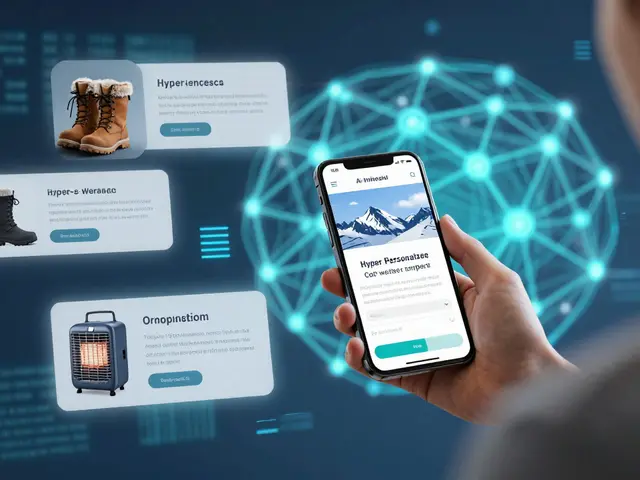

You just launched your side hustle or took over the marketing role at a small business. Suddenly, you’re drowning in acronyms like CTR, CPC, and ROAS. You see ads everywhere, hear about influencers who sell out products overnight, and wonder how anyone actually makes money on the internet without burning through their savings.
Here’s the truth: Online marketing is not magic. It’s a system of connecting with people who already want what you have, using tools that let you measure exactly what works. In 2026, the landscape has shifted from simple banner ads to complex AI-driven ecosystems, but the core principles remain stubbornly human. You need to know where your customers are, speak their language, and give them a reason to click.
What Is Online Marketing Really?
Think of online marketing as the digital version of putting up flyers, talking to neighbors, and hosting open houses-all happening simultaneously across billions of screens. Unlike traditional advertising, where you pay for exposure and hope someone buys, digital channels allow you to track every step. Did they see the ad? Did they click? Did they buy? Did they come back next month?
This measurability changes everything. If you spend $100 on a billboard in Melbourne, you might get ten sales. If you spend $100 on Facebook Ads, you can see exactly which ten people bought, what they looked at before buying, and whether they were male or female, aged 25-34, living in suburbs within a 5km radius. That data lets you stop guessing and start optimizing.
But don’t confuse online marketing with just "running ads." That’s only one piece. True online marketing encompasses search engines, social platforms, email lists, websites, and even community forums. It’s an ecosystem where each part feeds into the others.
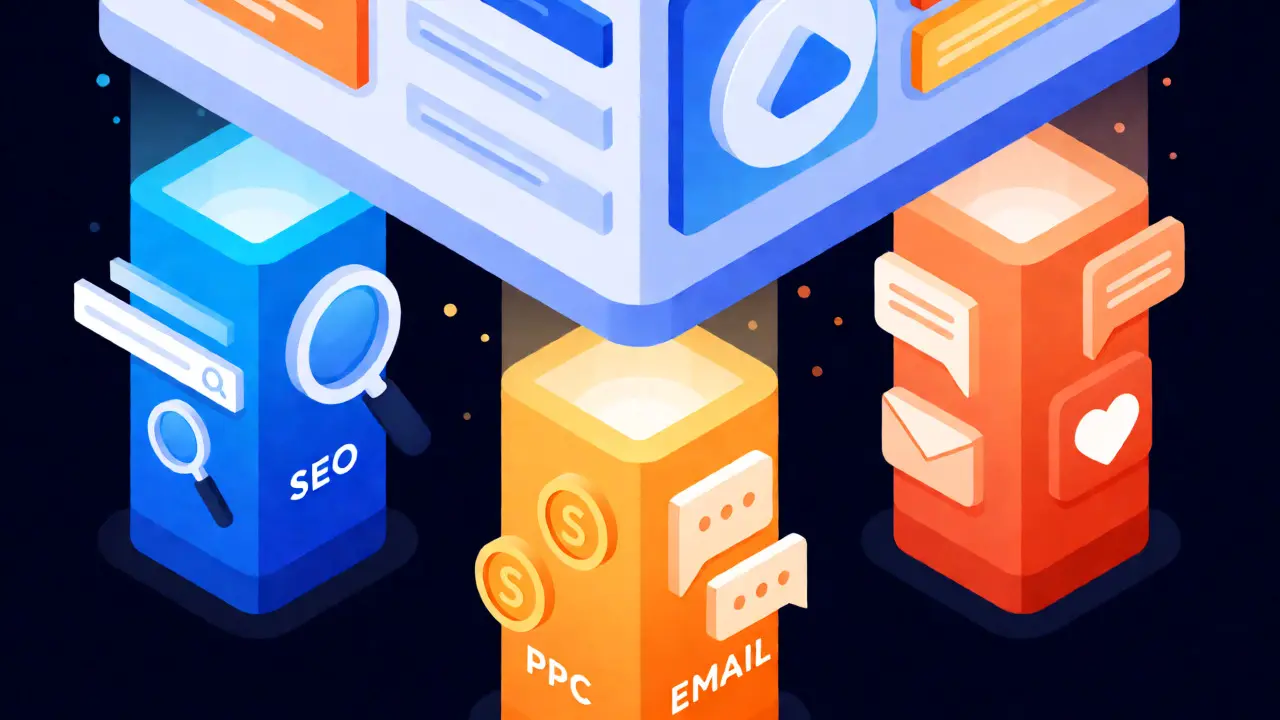
The Four Pillars of Digital Success
If you try to do everything at once, you’ll fail. Instead, focus on these four foundational pillars. Master one before adding the next.
| Channel | Best For | Cost Entry | Time to Results | Key Metric |
|---|---|---|---|---|
| SEO | Long-term organic traffic | Low (Time-intensive) | 6-12 months | Organic Sessions |
| Paid Search (PPC) | Immediate visibility & testing | Medium ($10+/day) | Instant | CPC / ROAS |
| Social Media | Brand awareness & engagement | Low to High | Weeks | Engagement Rate |
| Email Marketing | Retention & conversions | Very Low | Days | Open Rate / Clicks |
Search Engine Optimization (SEO)
SEO is getting found when people search for solutions. It’s not about tricking Google; it’s about proving you’re the best answer. When someone types "best running shoes for flat feet," Google looks for content that directly answers that question. Your job is to create that content and structure your website so machines understand it too.
In 2026, SEO has evolved. Keyword stuffing is dead. Now, you need topical authority. This means covering a subject thoroughly. If you sell coffee beans, don’t just write about "coffee." Write about brewing methods, bean origins, grinder settings, and storage tips. Show expertise. Google’s algorithms, heavily influenced by AI models like Gemini and GPT-4o, prioritize helpful, first-hand experience over thin, copied text.
Paid Advertising (PPC)
Pay-per-click allows you to rent attention. You bid on keywords or audience segments, and you pay only when someone clicks. It’s expensive if you’re bad at it, but cheap if you’re precise. Start small. Test headlines. Kill ads that don’t convert after 100 clicks. Don’t scale until you know your Customer Acquisition Cost (CAC) is lower than your Customer Lifetime Value (LTV).
Social Media Marketing
Stop trying to be on every platform. Pick two. Where does your customer hang out? B2B services often thrive on LinkedIn, while visual products do well on Instagram or TikTok. The key here isn’t posting frequency; it’s conversation. Reply to comments. Ask questions. Share behind-the-scenes chaos. People buy from brands that feel real, not corporate robots.
Email Marketing
Your social followers belong to the algorithm. Your email list belongs to you. Collect emails early. Offer something valuable in exchange-a discount, a checklist, a mini-course. Then, nurture those leads. Send weekly value, not just sales pitches. A healthy email list converts better than any cold traffic because trust is already established.
Building Your First Campaign
Let’s say you sell handmade leather wallets. Here’s how you launch without spending a fortune.
- Define the Avatar: Who buys this? Maybe it’s men aged 25-40 who care about sustainability. Write down three pain points: cheap wallets fall apart, they hate bulky pockets, they want ethical sourcing.
- Create One Killer Landing Page: Don’t send traffic to your homepage. Build a page specifically for the wallet. Clear headline, high-quality photos, benefits (not features), and a big button saying "Buy Now." Add testimonials if you have them.
- Test Traffic Sources: Run $5/day on Meta Ads targeting interests like "minimalist fashion" or "leather goods." Simultaneously, post short videos on TikTok showing the stitching process. Track which brings more sales.
- Capture Leads: If they don’t buy immediately, offer 10% off for joining your email list. Use a tool like Klaviyo or Mailchimp. Automate a welcome sequence: Day 1 (Thanks + Discount), Day 3 (Story of craftsmanship), Day 7 (Last chance for discount).
- Analyze and Iterate: After two weeks, look at the data. Which ad had the highest click-through rate? Which email got the most opens? Double down on winners, cut losers.
Common Pitfalls Beginners Hit
Most beginners quit because they expect instant results from slow channels. They run an ad for three days, see no sales, and panic. Or they write ten blog posts in a week and wonder why nobody visits. Patience is part of the strategy.
Another trap is ignoring mobile users. Over 70% of global web traffic comes from phones. If your site loads slowly or buttons are hard to tap, you lose sales instantly. Check your Core Web Vitals. Aim for a Largest Contentful Paint under 2.5 seconds.
Finally, don’t neglect analytics. Install Google Analytics 4 and set up conversion events properly. If you don’t know where sales come from, you’re flying blind. Tag your links with UTM parameters so you can trace specific campaigns in your dashboard.

The Role of AI in Modern Marketing
You can’t ignore artificial intelligence anymore. Tools like Jasper or Copy.ai help draft emails and ad copy faster. But AI doesn’t replace strategy. It accelerates execution. Use it to brainstorm angles, summarize competitor reviews, or personalize product descriptions. However, always edit the output. AI can hallucinate facts or sound robotic. Your human touch-your unique voice-is your competitive advantage.
Also, consider chatbots. A simple WhatsApp Business API integration can answer FAQs 24/7, capturing leads while you sleep. Just ensure there’s an option to talk to a human if things get complicated.
Next Steps for Your Journey
Start today. Pick one channel. Spend one hour learning its basics. Create one asset-a blog post, an ad, an email. Measure the result. Adjust. Repeat. Online marketing isn’t a destination; it’s a practice. The businesses that win are the ones that test constantly and listen to their customers.
How much budget do I need to start online marketing?
You can start with zero dollars if you focus on organic methods like SEO and social media content. If you want faster results, allocate $200-$500 per month for paid ads and basic tools. Remember, time is also a currency; if you lack money, invest time in creating quality content.
Is SEO still worth it in 2026 with AI search results?
Yes, absolutely. While AI summaries provide quick answers, users still click through for detailed comparisons, reviews, and purchases. SEO ensures you appear in both traditional blue links and AI-generated responses. Focus on providing unique insights and structured data that AI cannot replicate easily.
Which social media platform should I choose first?
Choose based on your audience, not popularity. For B2B, start with LinkedIn. For visual consumer products, try Instagram or Pinterest. For younger demographics or viral potential, use TikTok. Do not spread yourself thin; master one platform before expanding.
How long does it take to see results from online marketing?
Paid ads can generate traffic within hours. Email marketing can yield sales within days. Social media growth takes weeks to months depending on consistency. SEO typically requires 6-12 months to build significant authority and traffic. Set realistic expectations for each channel.
Do I need a website to start online marketing?
Not strictly, but highly recommended. You can start with a landing page builder like Carrd or a social media storefront. However, owning your domain gives you control over branding, SEO, and data collection. It acts as the central hub for all your marketing efforts.
Latest Posts