

You’ve built a great product. You know your audience needs it. But when you search for yourself online, what do you see? If the answer is “nothing” or just a few scattered links from three years ago, you have a problem. In 2026, if your brand isn’t visible on the internet, it effectively doesn’t exist. Consumers don’t browse catalogs anymore; they scroll feeds, search engines, and review sites. Your job is to be there before they even realize they’re looking for you.
Increasing brand visibility isn’t about buying expensive ads and hoping for the best. It’s a systematic approach to ensuring your name pops up at the right moment, on the right platform, with the right message. This guide cuts through the noise and gives you a practical roadmap to get seen.
The Reality of Attention in 2026
Let’s look at the landscape first. The average person spends over seven hours a day on screens. That sounds like an ocean of opportunity, but it’s actually a crowded room where everyone is shouting. The barrier to entry has never been lower, which means competition has never been higher. A local bakery in Perth competes not just with the shop down the street, but with global delivery apps and viral TikTok recipes.
Visibility today is less about reach and more about relevance. You don’t need millions of eyes on your logo; you need the right thousand eyes to stop scrolling. According to recent data from industry analysts, brands that maintain consistent visual and messaging identity across platforms see a 33% increase in perceived revenue potential. People trust what they recognize. If your website looks different from your Instagram, which differs from your email signature, you create cognitive dissonance. Users bounce because they can’t tell who you are.
Why is consistency more important than frequency?
Consistency builds recognition. Posting daily with random visuals confuses the brain. Posting weekly with a distinct style trains the audience to identify your content instantly.
Search Engine Optimization: The Foundation
If social media is the party, Search Engine Optimization (SEO) is the address book. Without a solid SEO strategy, you are relying entirely on paid traffic or algorithmic luck. Both are fragile. SEO provides owned equity. When someone types “best eco-friendly cleaning products,” you want to be on page one. Not because you paid Google, but because Google trusts you as an authority.
In 2026, SEO has shifted heavily toward intent and experience. Keywords still matter, but they are no longer the only game. Google’s algorithms now prioritize pages that provide immediate, comprehensive answers. This is known as E-E-A-T: Experience, Expertise, Authoritativeness, and Trustworthiness. To rank, your content must demonstrate that you actually know what you are talking about.
- Technical Health: Ensure your site loads in under two seconds. Mobile-first indexing is the standard. If your site breaks on a phone, you lose half your audience instantly.
- Content Depth: Stop writing 500-word fluff pieces. Write definitive guides. If you sell coffee machines, write about water filtration systems, bean roasting profiles, and maintenance schedules. Become the resource, not just the vendor.
- Local SEO: For businesses with physical locations, claim your Google Business Profile. Get reviews. Respond to them. Local pack rankings drive foot traffic and phone calls directly.
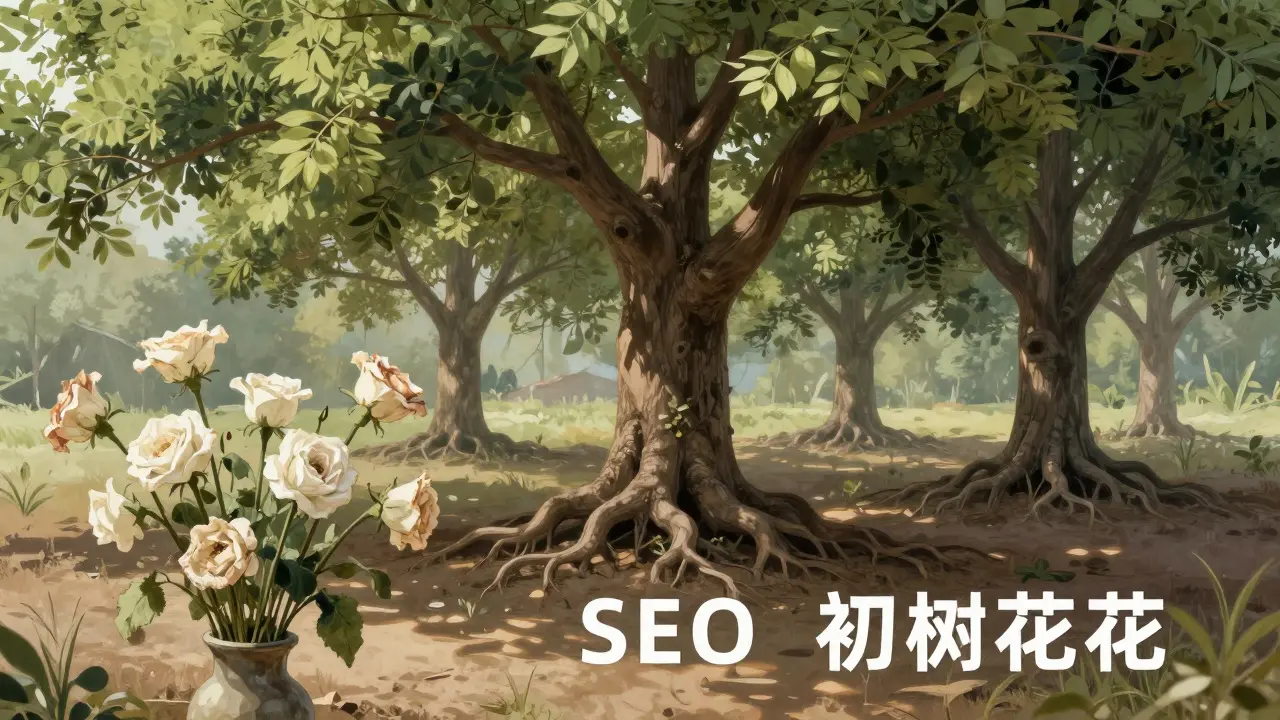
Think of SEO as planting trees. It takes time to grow, but once established, it provides shade and fruit for years without constant watering. Social media posts are like cut flowers; beautiful for a day, then gone.
Social Media: Building Community, Not Just Followers
Social media is often misunderstood as a broadcast channel. It’s not. It’s a conversation. The biggest mistake brands make is treating their followers like a captive audience for sales pitches. Nobody follows a brand to buy something immediately; they follow to be entertained, educated, or inspired.
Platform choice matters. You don’t need to be everywhere. You need to be where your customers are. B2B companies thrive on LinkedIn through thought leadership and case studies. Lifestyle brands dominate Instagram and TikTok through short-form video and aesthetic storytelling. Pinterest works wonders for DIY, home decor, and fashion. Pick two platforms and master them before expanding.
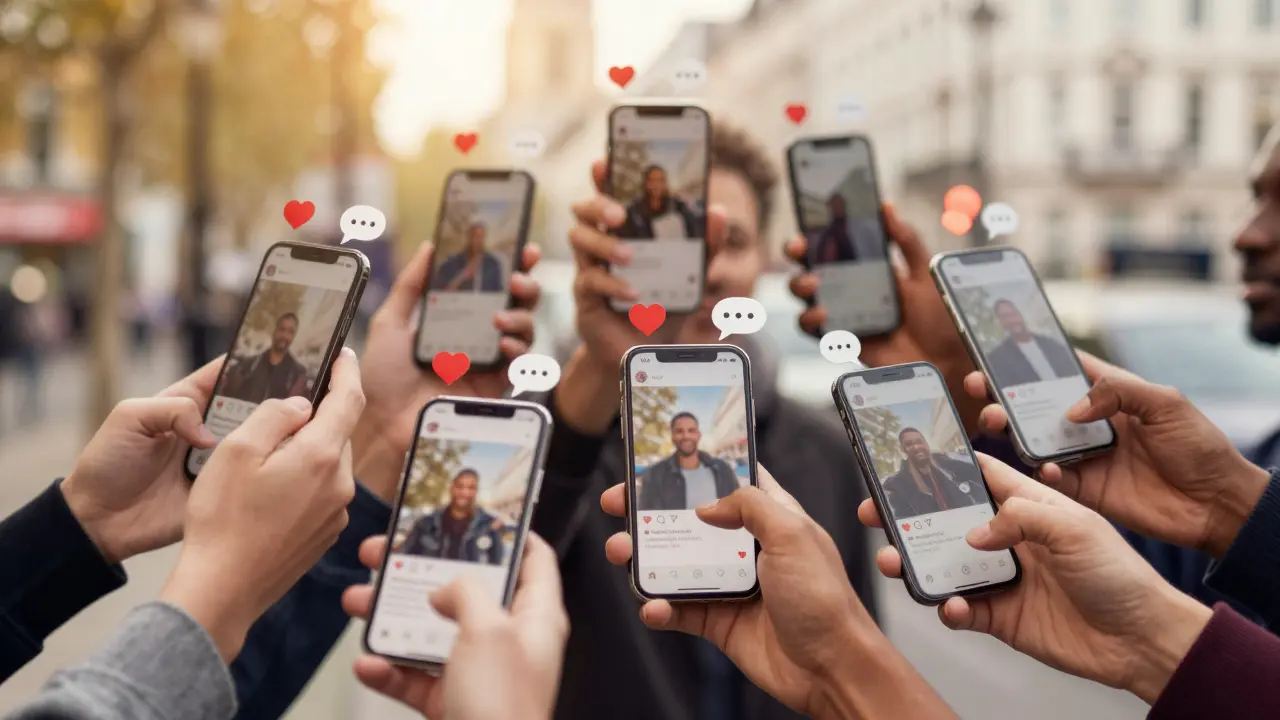
Engagement is the metric that counts. Likes are vanity; comments and shares are sanity. Ask questions in your captions. Run polls. Reply to every comment in the first hour after posting. This signals to the algorithm that your content sparks interaction, pushing it to more people. User-Generated Content (UGC) is gold here. Encourage customers to post photos of your product. Repost them. It builds social proof and makes your brand feel human.
| Platform | Best For | Content Type |
|---|---|---|
| B2B, Professional Services | Articles, Case Studies, Industry News | |
| Lifestyle, Retail, Visual Arts | Reels, Stories, High-Quality Photos | |
| TikTok | Gen Z, Viral Trends, Entertainment | Short, Authentic Video Clips |
| DIY, Home, Fashion, Food | Idea Pins, Infographics, Tutorials |
Content Marketing: Value First, Sales Second
Content marketing is the engine that drives both SEO and social media. It’s the creation of valuable, relevant information that attracts your target audience. The goal is to solve problems before asking for money. When you help someone fix their leaky faucet via a blog post, they remember you when they need a plumber. That’s the logic.
Diversify your formats. Text is good, but video is better for retention. Audio is great for convenience. Consider creating a podcast or embedding audio clips in your articles. Interactive content like quizzes or calculators also boosts engagement significantly. For example, a financial advisor might offer a “Retirement Savings Calculator.” Users input their data, get a result, and provide their email address in exchange. Boom: lead generated.
Email marketing remains the highest ROI channel. Social media algorithms change; email lists are yours. Use your content to drive subscribers to your newsletter. Segment your list based on behavior. Don’t send the same email to a new subscriber and a loyal customer of five years. Personalization increases open rates by up to 26%. Make sure your subject lines are clear and compelling, avoiding clickbait that damages trust.
Paid Advertising: Accelerating Growth
Organic growth is slow. Paid advertising speeds things up. However, throwing money at ads without a strategy is burning cash. In 2026, privacy regulations and cookie deprecation have made tracking harder. Contextual targeting and first-party data are becoming crucial.
Start with clear objectives. Are you looking for brand awareness or direct conversions? Awareness campaigns use broad targeting and focus on view-through rates. Conversion campaigns use retargeting pixels to show ads to people who already visited your site. Retargeting is highly effective because these users are already warm leads. They know you; they just need a nudge.
Test small. Launch three variations of an ad with different headlines and images. Spend $50 on each. After a week, kill the losers and double down on the winner. Continuous optimization is key. Monitor your Cost Per Acquisition (CPA). If it’s higher than your profit margin, stop. Adjust your creative or audience until the math works.
Measuring What Matters
You can’t improve what you don’t measure. But beware of vanity metrics. Having 10,000 followers means nothing if none of them buy. Focus on Key Performance Indicators (KPIs) tied to business goals.
- Website Traffic: Total visits and unique visitors.
- Conversion Rate: Percentage of visitors who take a desired action (buy, sign up, call).
- Customer Acquisition Cost (CAC): How much you spend to get one new customer.
- Return on Ad Spend (ROAS): Revenue generated for every dollar spent on ads.
- Brand Mentions: How often your brand is talked about online, regardless of sentiment.
Use tools like Google Analytics 4 to track user journeys. See where people drop off. Is it the checkout page? Is it the landing page? Fix those friction points. Data tells you the story; your job is to listen and act.
Building Long-Term Trust
Visibility gets them in the door. Trust keeps them there. In an era of AI-generated content and deepfakes, authenticity is your strongest asset. Show the faces behind the brand. Share your failures alongside your successes. Be transparent about your pricing and policies. Customers are smarter than ever. They can spot insincerity from a mile away.
Respond to negative feedback publicly and professionally. Apologize if you were wrong. Offer solutions. Turning a critic into a promoter is possible if you handle it with grace. Word-of-mouth is still the most powerful marketing tool. Happy customers tell friends. Unhappy customers tell strangers. Protect your reputation fiercely.
How long does it take to see results from internet marketing?
It depends on the channel. Paid ads bring immediate traffic. SEO and organic social media typically take 3 to 6 months to show significant traction. Consistency is key for long-term channels.
Do I need to be on every social media platform?
No. Being everywhere usually means being mediocre everywhere. Choose the platforms where your specific audience spends their time and focus your resources there.
What is the most important metric for brand visibility?
Brand recall and share of voice. While traffic numbers are useful, knowing how many people recognize your brand compared to competitors is the true measure of visibility.
Can small businesses compete with large corporations online?
Yes. Small businesses can leverage niche targeting, personalized customer service, and authentic storytelling to build loyal communities that big brands often struggle to replicate.
Is influencer marketing still effective in 2026?
Yes, but micro-influencers (10k-100k followers) often provide better ROI than mega-celebrities due to higher engagement rates and more trusted relationships with their audiences.
Latest Posts