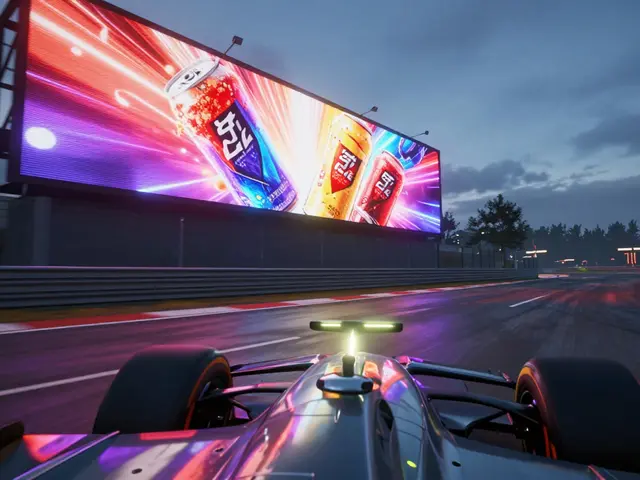

Ever wonder why that billboard in a racing game feels so natural, or why you suddenly remember the name of a soda brand after playing for 20 minutes? It’s not luck. It’s science. Effective in-game ads don’t just show up-they’re designed to stick. And the companies behind them aren’t guessing. They’re using psychology, data, and game design principles to make ads feel like part of the experience, not an interruption.
Why In-Game Ads Work When Other Ads Don’t
Most digital ads are ignored. Banner blindness, ad blockers, skipping previews-it’s a war of attrition. But in-game ads? They’re different. Players are immersed. Their attention is locked in. A 2024 study from the University of Melbourne’s Game Lab tracked 12,000 players across 8 popular mobile and console games. The results? In-game ads had a 68% recall rate, compared to 19% for standard video pre-rolls. Why? Because players aren’t multitasking. They’re not scrolling. They’re in the zone.
Think about it: when you’re racing down a highway in Forza Horizon, you’re not thinking about your to-do list. You’re thinking about the next turn. That’s the perfect moment to place a logo on a billboard, a car on the road, or a branded item in a shop. The brain doesn’t see it as an ad. It sees it as part of the world.
The Role of Context and Placement
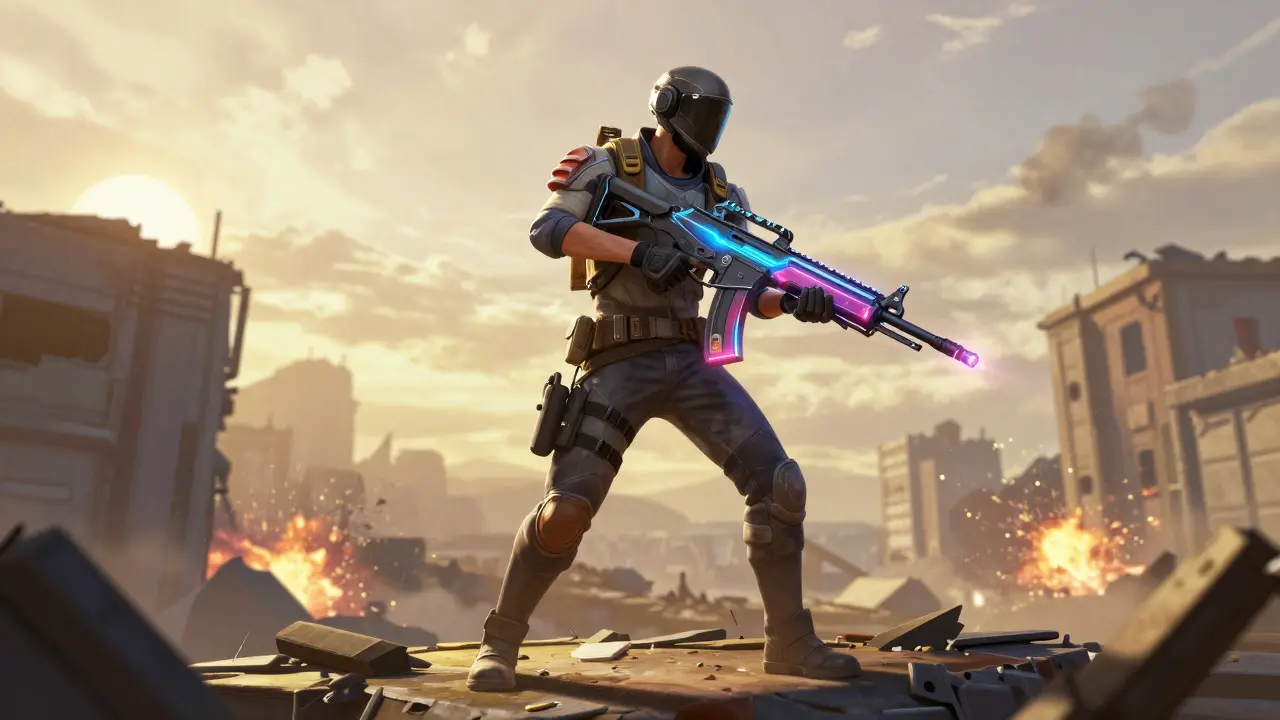
Not all in-game ads are created equal. A logo on a wall in a silent hallway? Forgettable. A branded weapon in a battle royale? Memorable. The difference? Context.
Effective ads match the game’s logic. In a sports game, a soda brand on a scoreboard works because scoreboards are real. In a farming sim, a tractor brand in the equipment menu makes sense. But slap a luxury watch ad on a character’s wrist in a zombie survival game? It breaks immersion. Players notice. And they resent it.
Placement matters too. Static ads-like a logo on a building-are less effective than dynamic ones. A 2025 report from AdAge showed that dynamic placements (ads that change based on gameplay, like a billboard that updates with real-time promotions) increased brand recall by 41% over static ones. Why? Because they feel alive. They respond. They adapt.
Player Psychology: The Power of Ownership and Identity
Here’s the real secret: players don’t just notice ads-they associate them with themselves. When you earn a branded item as a reward, it’s not just a logo. It’s a badge. A symbol of your skill. A study from Stanford’s Gaming and Behavior Lab found that players who received branded gear as in-game rewards were 3.2 times more likely to search for the product online afterward.
Take the example of Nike in NBA 2K25. Players can unlock limited-edition sneakers through performance milestones. These aren’t just cosmetic. They come with stats boosts. Suddenly, wearing Nike isn’t about marketing-it’s about winning. The brand becomes part of the player’s identity. That’s not advertising. That’s integration.
Even subtle cues work. If a game’s character drinks from a branded bottle after a victory, players subconsciously link that brand with success. It’s called associative learning. The brain connects the product with positive outcomes. No words needed.
Timing and Frequency: Less Is More
There’s a fine line between immersion and intrusion. Push too many ads, too often, and players bail. A 2026 survey of 5,000 mobile gamers found that 73% would uninstall a game if they saw more than 3 branded interactions per hour. That’s not a lot.
Effective campaigns space out ads. One ad during a loading screen. One after a win. One in a menu. That’s it. The key is rhythm. Like music, timing creates flow. Too many beats, and the song falls apart.
Some games use behavioral triggers instead of timers. For example, if a player spends 15 minutes without a break, the game might offer a branded power-up as a reward for watching a short video. It’s voluntary. It feels like a gift. That’s the difference between an ad and a reward.
Measuring Success Beyond Clicks
Traditional ads measure clicks. In-game ads? They measure something deeper: engagement depth.
Metrics like:
- Time spent looking at the ad (tracked via eye-tracking in PC and VR games)
- Post-game search volume for the brand
- Conversion rates from in-game items to real-world purchases
- Player retention after ad exposure
One game developer in Sydney, working with a coffee brand, found that players who saw a branded coffee machine in their virtual apartment stayed 22% longer in the game. Why? Because it added realism. The brand didn’t interrupt-it enhanced.
Brands that track these metrics, not just impressions, are the ones winning. They’re not buying space. They’re buying experience.
The Future: Personalization and AI
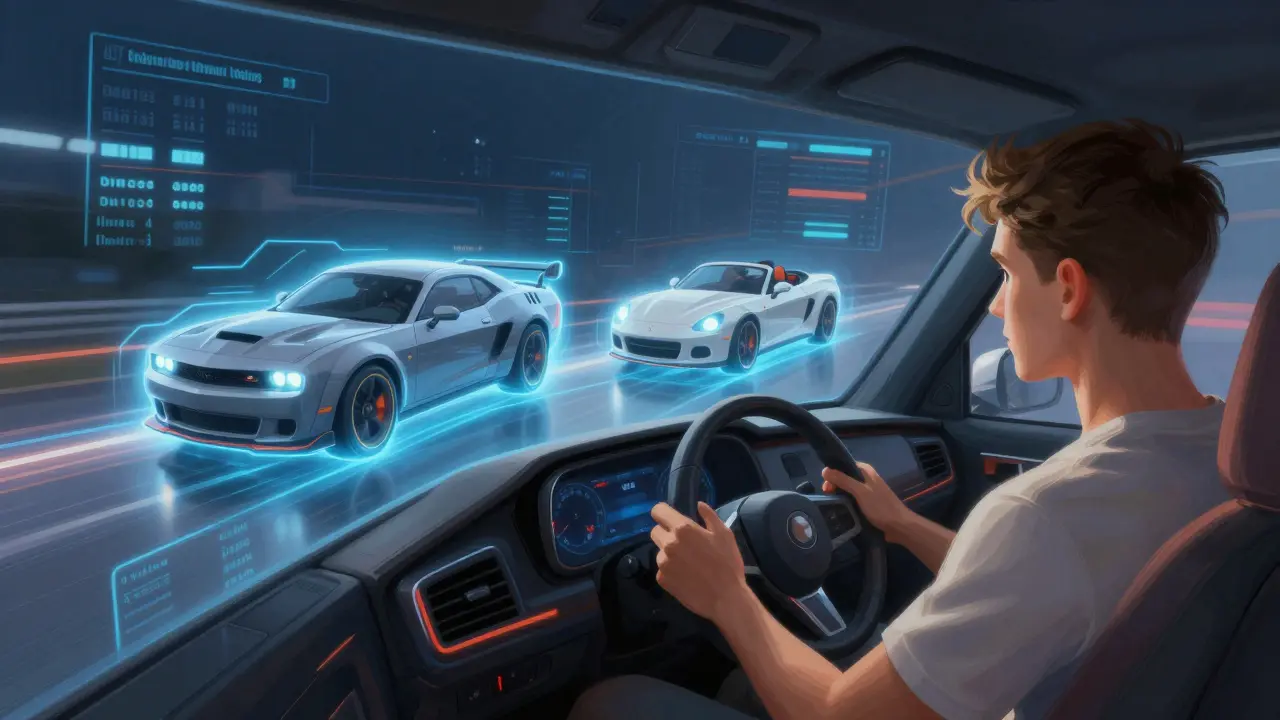
The next leap? Personalization. Not just showing you a car ad because you’re in a racing game-but showing you *your* dream car, based on your play style.
AI is already doing this. In a beta test with a popular racing sim, the system analyzed how players drove: aggressive, cautious, stylish. Then it served ads for cars that matched their style. One player who always took scenic routes got an ad for a luxury convertible. Another who slammed through checkpoints got a muscle car. The result? 58% higher engagement than generic placements.
Soon, ads won’t just be placed. They’ll be crafted. A brand might sponsor a custom mission. A player might unlock a limited-edition item by completing a challenge tied to the brand’s real-world campaign. The line between game and ad will blur even further.
What Doesn’t Work (And Why)
Let’s be clear: bad in-game ads are everywhere. And they’re easy to spot.
- Ads that break immersion (a floating ad in mid-air during a stealth mission)
- Ads that don’t fit the game’s world (a modern smartphone in a medieval RPG)
- Ads that appear too often (every 5 minutes)
- Ads that offer no value (just a logo with no context)
Players aren’t stupid. They know when they’re being manipulated. And they’ll punish you for it-by quitting, leaving bad reviews, or just tuning out.
The best in-game ads feel inevitable. Like they were always meant to be there.
Final Thought: It’s Not About Selling. It’s About Belonging.
The most successful in-game ads don’t try to sell. They try to belong. They don’t shout. They whisper. They fit. They enhance. They reward.
Brands that get this win. Not because they bought space in a game, but because they became part of the world players care about.
Why do in-game ads have higher recall than TV or online ads?
In-game ads have higher recall because players are deeply engaged and focused. Unlike TV or online ads, where attention is split, in-game ads appear in contexts where players are fully immersed-like billboards in a racing game or branded gear in a sports sim. A 2024 study found 68% recall for in-game ads versus 19% for pre-roll video ads. The brain associates the ad with the experience, not as an interruption.
Can in-game ads hurt player experience?
Yes, if they’re poorly placed or too frequent. Ads that break immersion-like floating logos, mismatched products, or ads appearing every few minutes-trigger frustration. A 2026 survey found 73% of mobile gamers would uninstall a game after seeing more than three branded interactions per hour. The key is subtlety and relevance.
What types of games work best for in-game advertising?
Games with realistic environments work best: racing sims, sports titles, open-world adventures, and simulation games. These have natural spaces for ads-billboards, vehicles, store shelves. Competitive multiplayer games with customization (like battle royales) also perform well, especially when branded items offer gameplay advantages. Casual or abstract games (like puzzle or arcade titles) are less ideal unless the ad is part of the core mechanic.
How do brands measure the success of in-game ads?
Brands track more than clicks. They look at time spent viewing the ad (via eye-tracking), post-game search volume, conversion from in-game items to real purchases, and player retention rates. For example, one game saw a 22% increase in playtime when a branded coffee machine was added to a player’s virtual home. Success is measured by how deeply the brand integrates into the experience.
Is personalization the future of in-game advertising?
Yes. AI is already enabling personalized ad experiences. In testing, games analyzed player behavior-driving style, weapon preference, exploration habits-and matched ads accordingly. A cautious player got ads for reliable sedans; an aggressive one got muscle cars. Engagement jumped 58%. The future is ads that feel custom-made for each player, not generic inserts.
Latest Posts