

Most businesses think selling online is about shouting louder than the competition. They buy ads, post daily on social media, and hope something sticks. But here is the hard truth: noise does not equal revenue. In a market saturated with information, the brands that actually see their bank accounts grow are the ones using specific, data-driven internet marketing techniques. These aren't just buzzwords; they are mechanical levers you pull to move money from a prospect's pocket to yours.
If you are looking for a quick fix, you might be disappointed. Real growth comes from connecting dots between how people search, how they behave on your site, and what triggers them to buy. This guide breaks down the most effective methods right now, focusing on actionable steps rather than vague theory. We will look at why some channels work better than others and how to stitch them together into a machine that generates consistent sales.
Quick Summary / Key Takeaways
- Intent matters more than traffic: Targeting users ready to buy via high-intent keywords often outperforms viral brand awareness campaigns for immediate sales.
- Email remains the ROI king: For every dollar spent on email marketing, the average return is significantly higher than social media or paid search because you own the audience list.
- Personalization drives conversion: Generic blasts get ignored. Using behavioral data to serve relevant content increases click-through rates by up to 35%.
- Retargeting captures lost revenue: Most visitors leave without buying. Retargeting ads bring them back, addressing objections and reminding them of value.
- Trust signals reduce friction: Social proof, clear pricing, and easy checkout processes are non-negotiable for turning interest into transactions.
The Foundation: Understanding Buyer Intent
Before spending a cent on ads, you need to understand where your potential customers are in their journey. Not everyone who sees your product is ready to buy today. Some are just researching problems. Others are comparing solutions. A tiny fraction is holding their credit card, waiting for a reason to click "purchase."
This concept is known as buyer intent. Search Engine Optimization (SEO) is the process of optimizing content to rank higher in search engine results pages. When done correctly for commercial terms, SEO targets high-intent users. If someone searches for "best running shoes for flat feet," they are further along the path than someone searching for "why do my feet hurt when I run." The former wants to buy; the latter wants advice.
To capture these high-intent moments, focus your keyword strategy on transactional queries. These are phrases containing words like "buy," "price," "deal," "review," or "vs." By creating dedicated landing pages for these specific questions, you align your content with the user's immediate desire. This alignment reduces bounce rates and increases the likelihood of a sale because you are answering the exact question they have at the moment they are willing to spend money.
Mastering Paid Advertising with Precision
Organic growth takes time. If you need sales now, paid advertising is the accelerator. However, throwing money at Google Ads or Facebook without a plan is like pouring water into a leaky bucket. The key to successful paid Pay-Per-Click (PPC) Advertising is an online advertising model where advertisers pay each time a user clicks on their ad.
Start with negative keywords. These are terms you explicitly tell the platform not to show your ads for. If you sell premium enterprise software, you don't want to pay for clicks from people searching for "free" or "open source." Filtering out low-quality traffic saves budget for high-value prospects.
Next, focus on ad copy that speaks to pain points, not just features. Instead of saying "Our software has AI capabilities," try "Stop wasting hours on manual data entry." The benefit is clearer than the feature. Use A/B testing rigorously. Change one element at a time-the headline, the image, or the call-to-action button color-and measure which version converts better. Small tweaks can lead to massive improvements in cost-per-acquisition over time.

Email Marketing: The Ownership Advantage
Social media algorithms change constantly. One day your posts reach thousands; the next, they vanish into the void. Email marketing gives you direct access to your audience's inbox. You own that list. No algorithm can hide your message unless the recipient unsubscribes.
The power of email lies in segmentation. Sending the same newsletter to everyone is outdated. Modern Email Marketing Automation allows you to send triggered messages based on user behavior, such as abandoned carts or welcome series. Imagine a customer adds a jacket to their cart but leaves. An automated email goes out two hours later: "Did you forget this? Here is 10% off if you finish now." That single touchpoint recovers a significant percentage of lost sales.
Build your list by offering value upfront. A discount code works, but so does a helpful checklist, a whitepaper, or a free trial. Once they subscribe, nurture them. Send useful content first, then pitch your product. Trust builds slowly, but it pays dividends quickly when it’s time to ask for the sale.
Leveraging Social Proof and Trust Signals
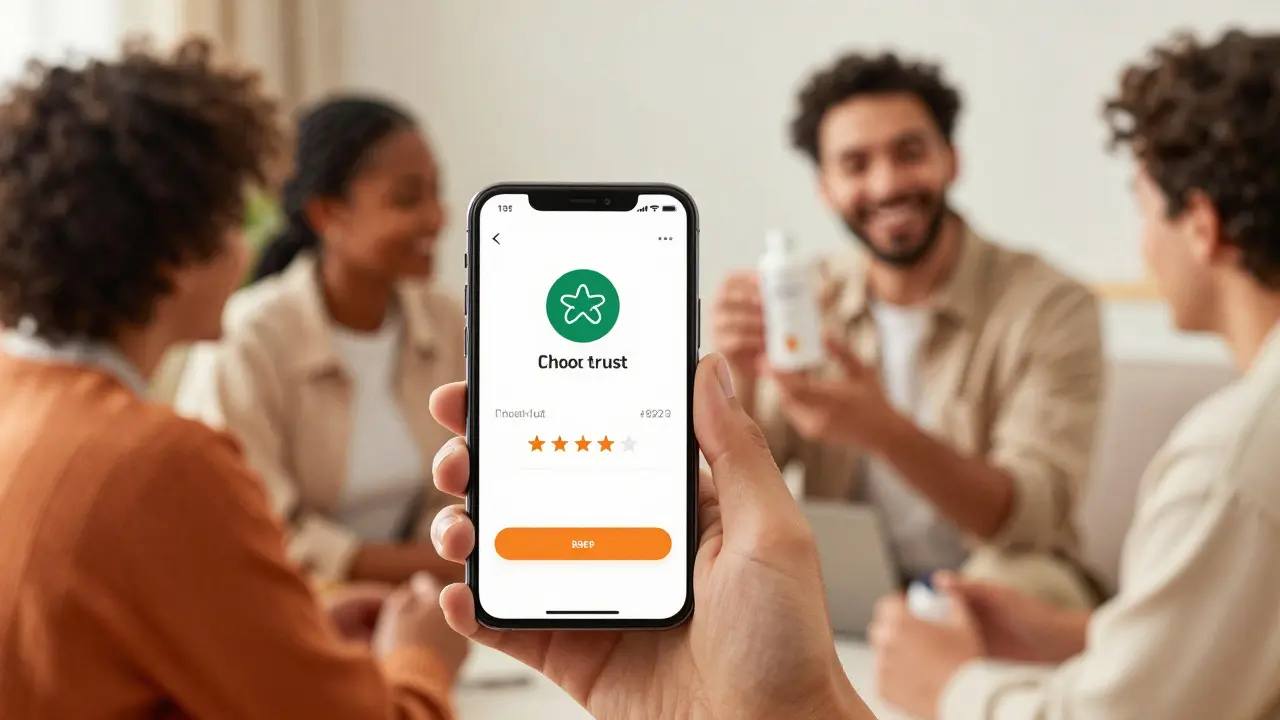
People are skeptical. Before handing over their credit card details, they look for reassurance that others have had a good experience. This is where social proof becomes critical. It is the psychological phenomenon where people assume the actions of others reflect correct behavior.
Display reviews prominently. Don't bury them on a separate page. Show star ratings on product pages, in search results snippets, and even in email signatures. Video testimonials are even more powerful because they are harder to fake. Seeing a real person talk about how your product solved their problem creates an emotional connection that text alone cannot achieve.
Also, consider influencer partnerships. Micro-influencers-those with smaller but highly engaged audiences-often drive better sales than celebrities. Their followers trust their recommendations because they feel personal. Choose influencers whose values align with your brand. Authenticity sells; forced endorsements repel.
Optimizing the User Experience for Conversions
You can drive all the traffic in the world, but if your website is confusing, slow, or broken, you will lose those sales. Conversion Rate Optimization (CRO) is the science of improving the percentage of visitors who take a desired action.
Speed is non-negotiable. Every second of delay in page load time can drop conversions by 7%. Compress images, minimize code, and use a reliable hosting provider. Mobile responsiveness is equally important. More than half of web traffic comes from mobile devices. If your buttons are too small to tap or your text is unreadable on a phone, you are leaving money on the table.
Simplify your checkout process. Ask only for essential information. Each additional field reduces the chance of completion. Offer multiple payment options, including digital wallets like Apple Pay or Google Pay, which allow one-tap purchases. Reduce friction wherever possible. Make it incredibly easy for the customer to say yes.
Retargeting: Bringing Back Lost Visitors
Only a small percentage of visitors buy on their first visit. Most browse, compare, and leave. Retargeting allows you to stay top-of-mind for these warm leads. By placing a pixel on your website, you can track visitors and show them ads as they browse other sites or social media platforms.
Dynamic retargeting takes this a step further. If a user looked at a specific pair of sneakers, your ad shows them those exact sneakers, not a generic brand logo. This relevance dramatically increases click-through rates. Pair this with compelling offers, such as free shipping or limited-time discounts, to create urgency.
Be careful not to annoy users. Frequency capping limits how often they see your ad. If someone has already bought, exclude them from the campaign. Respect their space, and they are more likely to return when they are ready to purchase.
| Channel | Primary Goal | Time to Result | Cost Structure |
|---|---|---|---|
| SEO | Long-term organic traffic | 3-6 months | Low ongoing cost, high initial effort |
| PPC Advertising | Immediate targeted traffic | Instant | Pays per click, scalable budget |
| Email Marketing | Nurturing and retention | Medium term | Low cost per send, high ROI |
| Retargeting | Re-engaging lost leads | Short term | Pays per impression/click |
Integrating Analytics for Continuous Improvement
Guesswork kills businesses. Data saves them. You must implement robust analytics to track what is working and what is not. Tools like Google Analytics provide insights into user behavior, acquisition channels, and conversion paths.
Set up goals and funnels. Track not just the final sale, but every step leading up to it. Where do users drop off? Is it the product page? The shipping cost reveal? Identifying these bottlenecks allows you to make informed adjustments. Test hypotheses based on data, not hunches.
Regularly review your metrics. Look beyond vanity metrics like likes and shares. Focus on KPIs that impact the bottom line: Customer Acquisition Cost (CAC), Lifetime Value (LTV), and Return on Ad Spend (ROAS). If your CAC is higher than your LTV, you are losing money on every sale. Adjust your strategy until the math works in your favor.
What is the fastest way to boost sales online?
Paid advertising, specifically PPC and retargeting, offers the fastest results because you can launch campaigns immediately and target users actively searching for your products. However, ensure your landing pages are optimized for conversion before spending heavily.
Is SEO still worth it in 2026?
Yes, absolutely. While it takes longer to see results compared to paid ads, SEO provides sustainable, long-term traffic without ongoing ad costs. High-ranking organic listings also build credibility and trust with potential customers.
How much should I spend on email marketing?
Email marketing typically has a very high ROI, often exceeding $40 for every $1 spent. Costs depend on the size of your list and the platform you use, but generally, it is one of the most cost-effective channels available for driving repeat sales.
What is the role of social media in boosting sales?
Social media is excellent for building brand awareness and community. Direct sales from social feeds can be challenging, but using social platforms to drive traffic to optimized landing pages or utilizing shoppable posts can effectively convert followers into buyers.
How do I improve my website's conversion rate?
Focus on simplifying the user journey. Ensure fast load times, mobile responsiveness, clear calls-to-action, and prominent social proof. Conduct A/B tests on headlines, images, and button colors to identify what resonates best with your audience.
Latest Posts


ChatGPT: The New Frontier in Content Generation
28/Jul/2023