
ChatGPT Content Strategy: How AI Is Reshaping Digital Marketing
When you build a ChatGPT content strategy, a planned approach to using AI for creating, scheduling, and optimizing marketing content. Also known as AI-driven content planning, it’s not about replacing humans—it’s about removing the busywork so you can focus on what matters: real conversations with real people. This isn’t science fiction. Right now, social media managers are using it to draft 30 TikTok hooks in 10 minutes. Marketers are turning customer comments into email subject lines. Small businesses are automating Facebook replies without sounding robotic. The tool isn’t magic—it’s a lever. And if you’re not using it strategically, you’re working harder than you need to.
What makes a ChatGPT content strategy, a planned approach to using AI for creating, scheduling, and optimizing marketing content. Also known as AI-driven content planning, it’s not about replacing humans—it’s about removing the busywork so you can focus on what matters: real conversations with real people. work isn’t the tool itself. It’s how you connect it to your goals. A good strategy links AI content creation, the process of using artificial intelligence to generate written, visual, or audio content for marketing. Also known as automated copywriting, it to your audience’s behavior. For example, if your customers ask the same questions in comments, ChatGPT can turn those into blog posts or FAQ sections. If your Twitter replies are repetitive, it can draft personalized responses that still sound human. And if you’re stuck on Instagram captions, it can pull trends from your niche and rephrase them in your voice. This isn’t guesswork—it’s pattern recognition powered by data.
The real shift isn’t just in speed. It’s in scale. Before AI, a small team could manage one platform. Now, with the right content automation, using tools like ChatGPT to reduce manual effort in producing and distributing marketing content. Also known as marketing workflow automation, it you can run three platforms at once without hiring more people. Brands in Bangladesh are using it to post daily on Facebook, TikTok, and Twitter—while still responding to DMs. They’re not doing more work. They’re doing smarter work. And the results? Higher engagement, faster growth, and less burnout.
But here’s the catch: ChatGPT doesn’t fix bad strategy. If your messaging is unclear, no prompt will save you. If you don’t know who your audience is, no template will help. The tool amplifies what’s already there—good or bad. That’s why the best users don’t start with prompts. They start with questions: What are my customers asking? Where are they spending time? What content gets shared? Once you answer those, ChatGPT becomes your assistant—not your boss.
Below, you’ll find real examples from businesses that got this right. No fluff. No hype. Just how they used ChatGPT to cut hours from their week, boost engagement, and keep their voice authentic. Whether you’re managing TikTok, running Facebook ads, or trying to rank on Google, there’s something here that’ll save you time—and maybe even change how you think about content.
- 7/Dec/2025
- by Sophia Clarkson
-
 ChatGPT SEO
AI for SEO
ChatGPT content strategy
SEO tools AI
ChatGPT keyword research
ChatGPT SEO
AI for SEO
ChatGPT content strategy
SEO tools AI
ChatGPT keyword research
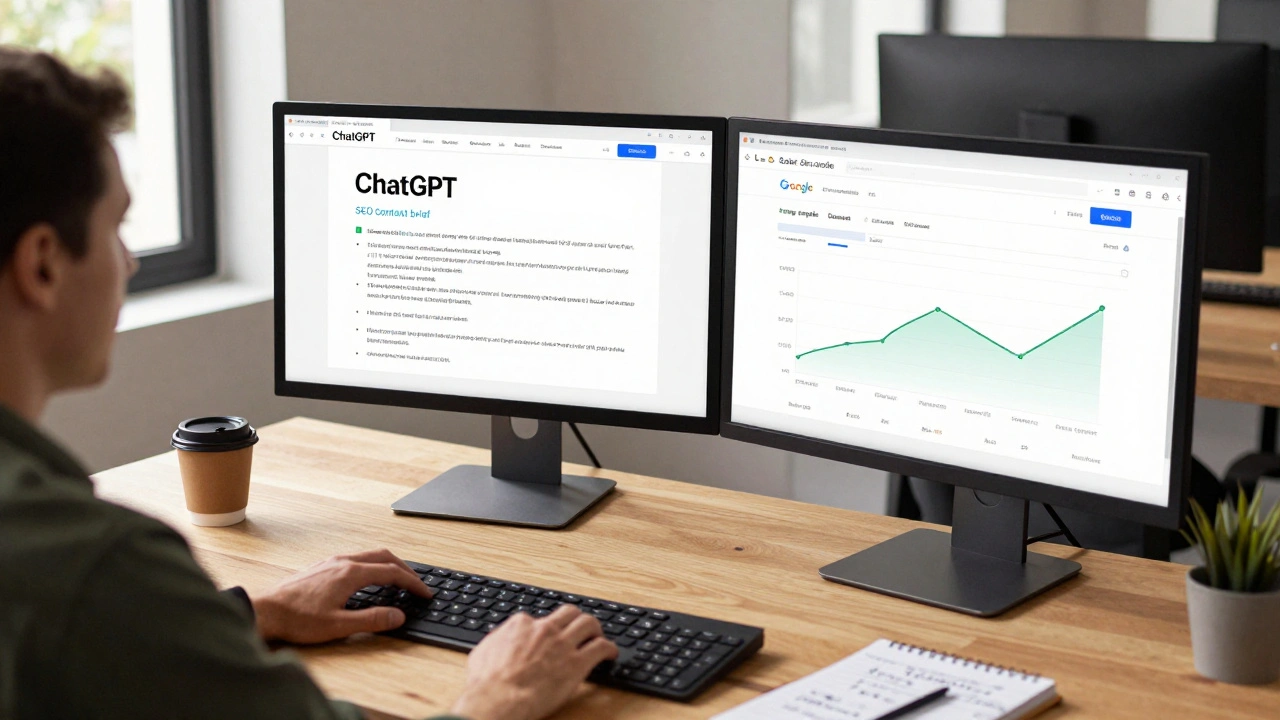
ChatGPT: The SEO Game Changer You Need to Know About
ChatGPT is transforming SEO by speeding up content creation, improving keyword targeting, and helping marketers write more human, search-friendly content. Learn how to use it without falling into AI traps.
Read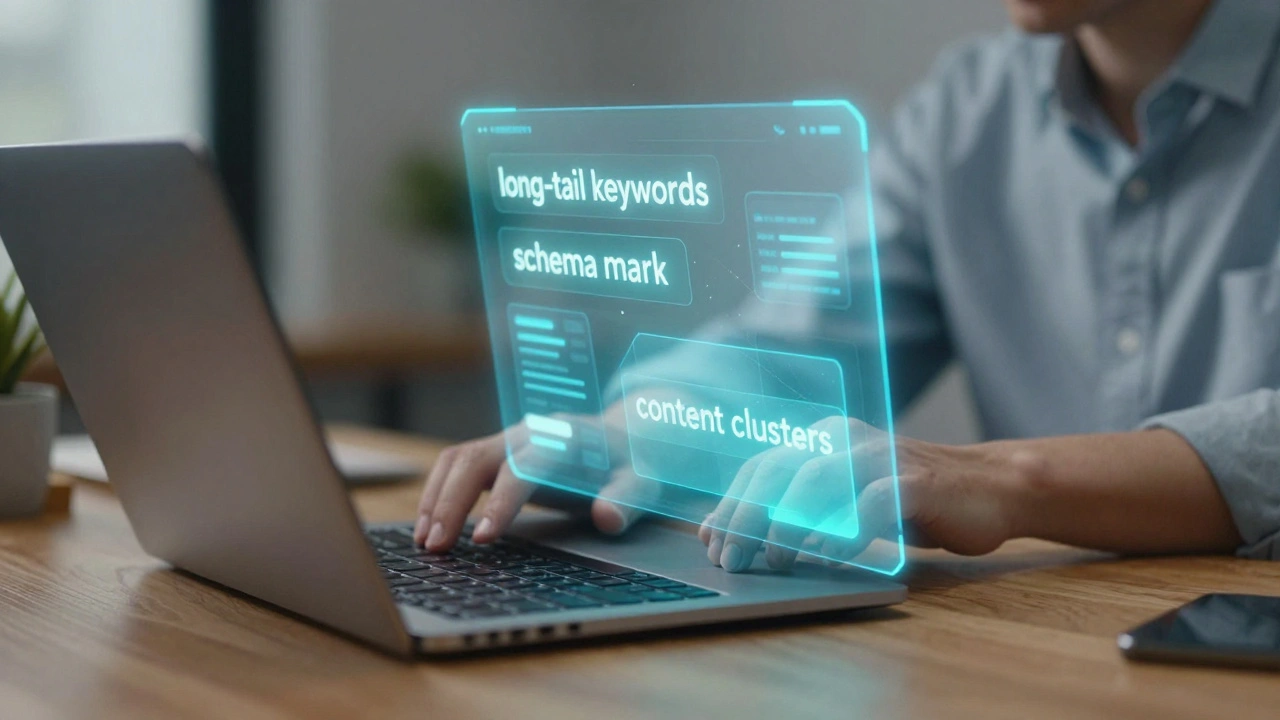
- 2/Dec/2025
- by Sophia Clarkson
-
ChatGPT for SEO
AI SEO tools
SEO automation
ChatGPT content strategy
SEO with AI
SEO Reinvented: How ChatGPT Is Changing Search Engine Optimization Today
ChatGPT is transforming SEO by making content creation faster, smarter, and more human-focused. Learn how to use AI to boost rankings without losing authenticity or expertise.
ReadLatest Posts